
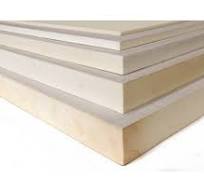
Solid Polyurethane Foam: Properties, Uses and Considerations
Solid polyurethane foam is a lightweight cellular material made from polyurethane. Although it feels solid and can retain its shape, it contains many small cells filled with gas. These cells give the foam useful properties such as low weight, thermal insulation and, in some forms, cushioning.
The term can refer broadly to polyurethane foam products, but it is often used for rigid polyurethane foam. Rigid and flexible foams differ in their structure and behaviour: rigid foam is designed to hold its shape and provide insulation, while flexible foam compresses readily and is commonly used for cushioning.
How It Is Made
Polyurethane foam is generally produced by reacting polyols with isocyanates. The formulation may also include blowing agents, catalysts, surfactants and other additives. During the reaction, gas creates bubbles in the material. As the foam forms and cures, these bubbles become cells within the polyurethane structure.
By changing the formulation and production process, manufacturers can create foams with different densities, cell structures, strength and flexibility. The choice of materials and process depends on the intended application and the performance requirements.
Key Properties
- Thermal insulation: The cellular structure helps slow the transfer of heat, making rigid polyurethane foam useful in insulation applications.
- Low weight: Foam can provide useful insulation or cushioning without adding as much weight as many solid materials.
- Shape retention: Rigid grades can be formed into panels, blocks or components that hold their shape.
- Versatility: Properties can be tailored for particular uses, including different levels of density, firmness and resistance to moisture.
- Adhesion: Some formulations bond well to facing materials or substrates, which can be helpful when making composite panels.
Performance varies between products. Factors such as density, cell structure, formulation, manufacturing quality and exposure conditions can affect how a foam performs over time.
Common Applications
Rigid polyurethane foam is used in building insulation, insulated panels, refrigeration equipment, cold-storage facilities and some transport applications. It can help reduce heat transfer in walls, roofs, floors and enclosures when selected and installed as part of a suitable system.
Other polyurethane foams are used in furniture, mattresses, vehicle interiors, packaging and protective products. These applications often use flexible foam, whose cushioning behaviour differs from that of rigid insulation foam.
Installation and Fire Safety
Foam insulation should be selected and installed in accordance with the product instructions, building requirements and relevant safety standards. Joints, edges and penetrations may need careful detailing to limit air or moisture movement. In buildings, foam products may also require an appropriate protective layer or covering, depending on the product and local regulations.
Polyurethane foam is combustible. Its fire performance depends on the formulation, product design and the way it is installed or protected. Product information should be checked for fire-test results and approved uses; foam should not be assumed to be fireproof.
During manufacture and installation, uncured components can present health and safety risks. Work involving these materials should be carried out by trained personnel using the controls and protective equipment specified by the supplier. Once cured, the foam has different handling characteristics, but cutting, heating or burning it may still create hazardous dust or fumes.
Environmental Considerations
Polyurethane foam can contribute to energy efficiency when used appropriately as insulation. At the same time, its production, service life and end-of-life management all have environmental impacts. Recycling can be challenging because cured foam is a cross-linked material, though collection and recovery options vary by product and location.
When choosing a foam, it is useful to consider its expected service life, insulation performance, product certification, installation requirements and available end-of-life options. Good design and careful installation can help the material perform as intended and reduce avoidable waste.
Choosing the Right Foam
The best foam depends on the application. Important factors include whether rigid or flexible foam is required, the necessary thermal or cushioning performance, operating temperatures, moisture exposure, load requirements, fire-safety provisions and compatibility with adjoining materials. Reviewing technical data and consulting a qualified supplier or designer can help ensure that the product is suitable for its intended use.
Solid polyurethane foam is a versatile material because its cellular structure can be adapted for insulation, cushioning and many other applications. Understanding the differences between foam types, along with their installation, safety and environmental requirements, is essential to using it effectively.
7 Key Benefits of Solid Polyurethane Foam
- Lightweight yet durable
- Provides effective thermal insulation
- Helps reduce energy loss
- Can be moulded into many shapes
- Offers good cushioning in flexible grades
- Resists moisture in suitable formulations
- Versatile across construction, refrigeration and transport
6 Disadvantages of Solid Polyurethane Foam
- Can be combustible and may need a protective covering.
- Some formulations may release hazardous fumes when burning.
- Recycling can be difficult and limited in some areas.
- UV exposure can cause deterioration without protection.
- Installation requires careful handling and suitable protective equipment.
- Some products may be sensitive to moisture or chemical exposure.
Lightweight yet durable
Solid polyurethane foam is lightweight yet durable, making it a practical choice where strength is needed without adding unnecessary weight. Its cellular structure keeps the material light, while its firm, resilient composition helps it retain its shape and withstand everyday use. This combination can make handling, transport and installation easier, while supporting long-lasting performance in suitable applications.
Provides effective thermal insulation
Solid polyurethane foam provides effective thermal insulation because its fine cellular structure traps pockets of gas, slowing the transfer of heat. This helps maintain comfortable indoor temperatures and can reduce the energy needed for heating or cooling. When properly selected and installed, it is suitable for insulating applications such as walls, roofs, floors and refrigeration units.
Helps reduce energy loss
Solid polyurethane foam helps reduce energy loss by slowing the transfer of heat through walls, roofs, floors and equipment. Its fine cellular structure traps gas, which acts as an effective insulating layer and helps maintain indoor temperatures for longer. When correctly selected and installed, it can reduce the need for heating or cooling, supporting lower energy use and more comfortable spaces.
Can be moulded into many shapes
Solid polyurethane foam can be moulded into a wide range of shapes, making it suitable for products with simple or complex designs. It can be formed to fit specific spaces or components, which is useful in applications such as insulation panels, protective packaging, furniture and vehicle interiors. This design flexibility also helps manufacturers create parts that combine a precise fit with low weight and useful cushioning or insulation properties.
Offers good cushioning in flexible grades
Flexible grades of solid polyurethane foam offer good cushioning by compressing under pressure and helping absorb impact. They can provide comfort and support in products such as mattresses, furniture, vehicle seats and protective packaging. The foam’s density and firmness can be selected to suit the application, balancing softness with support and durability.
Resists moisture in suitable formulations
Solid polyurethane foam can resist moisture when made with a suitable formulation, making it useful in applications where damp conditions may be a concern. Its closed-cell structure can limit water absorption and help maintain insulation performance, provided the foam is correctly selected, installed and protected. Moisture resistance varies between products, so check the manufacturer’s specifications for the intended use.
Versatile across construction, refrigeration and transport
Solid polyurethane foam is versatile across construction, refrigeration and transport because its properties can be tailored to suit different applications. In buildings, rigid foam is used for thermal insulation in walls, roofs and panels; in refrigeration, it helps limit heat transfer in appliances and cold-storage units; and in transport, lightweight foam can insulate vehicle bodies and support temperature-controlled cargo. Its combination of low weight, insulation performance and adaptability makes it a practical material for a wide range of products and structures.
Can be combustible and may need a protective covering.
Solid polyurethane foam can be combustible, so it should not be assumed to be fireproof. Depending on the product and where it is used, it may need a suitable protective covering to reduce fire risks and comply with applicable building and safety requirements. Always follow the manufacturer’s guidance and local regulations for selection and installation.
Some formulations may release hazardous fumes when burning.
Some formulations of solid polyurethane foam may release hazardous fumes when they burn, so the material should not be considered fireproof. Smoke and combustion gases can pose serious risks, particularly in enclosed spaces. Appropriate fire-safety measures, protective coverings where required, and compliance with product instructions and local building regulations are important.
Recycling can be difficult and limited in some areas.
Recycling solid polyurethane foam can be challenging because its durable, cross-linked structure is difficult to break down and process. Collection and recycling facilities may also be limited, particularly in some regions, so foam products can end up in landfill when suitable recovery options are unavailable. Checking local recycling services and choosing products with take-back or recovery schemes can help reduce disposal impacts.
UV exposure can cause deterioration without protection.
Exposure to ultraviolet (UV) light can gradually deteriorate solid polyurethane foam, causing discolouration, surface damage and a reduction in performance over time. This makes unprotected foam unsuitable for prolonged exposure to direct sunlight. A UV-resistant coating, protective facing or suitable cladding can help shield the material and extend its service life.
Installation requires careful handling and suitable protective equipment.
Installing solid polyurethane foam requires careful handling, as uncured materials and installation processes may pose health and safety risks. Installers should follow the product manufacturer’s instructions and use suitable protective equipment, such as gloves, eye protection and respiratory protection where specified. Proper ventilation and safe work practices are also important to reduce exposure and ensure the foam is installed correctly.
Some products may be sensitive to moisture or chemical exposure.
Some solid polyurethane foam products can be affected by prolonged exposure to moisture or certain chemicals. Depending on the formulation, moisture may reduce their performance or contribute to deterioration, while solvents, oils and cleaning agents can damage the foam’s surface or structure. Check the manufacturer’s guidance for suitable exposure conditions and compatible products, and use protective coatings or barriers where required.