
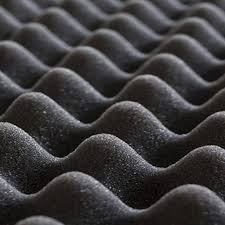
Flexible Polyurethane: A Versatile Material for Everyday Comfort
Flexible polyurethane is a resilient, lightweight material used in products that need cushioning, comfort and support. Often called flexible PU foam, it is found in furniture, mattresses, vehicle interiors, footwear and many other applications. Its properties can be adjusted during manufacture, making it suitable for products with different levels of softness, firmness and durability.
What Is Flexible Polyurethane?
Polyurethane is a family of polymers formed by reacting polyols with isocyanates. Flexible polyurethane foam is produced by combining these ingredients with other components that control the reaction and the foam’s characteristics. As the mixture reacts, it expands into a cellular structure made up of many small pockets. This structure allows the foam to compress under pressure and recover its shape when the pressure is removed.
The formulation and manufacturing process influence properties such as density, firmness, resilience, airflow and resistance to repeated use. This flexibility in design is one reason flexible polyurethane can serve such a wide range of needs.
Key Properties
- Comfort and cushioning: The foam can be designed to provide a soft, supportive or firm feel.
- Resilience: Many grades recover their shape after compression, helping products retain their performance over time.
- Light weight: Its cellular structure provides cushioning without adding excessive weight.
- Design versatility: Foam can be produced in different shapes, thicknesses and performance grades.
- Energy absorption: In suitable applications, flexible foam can help absorb impact and vibration.
Where Is It Used?
Flexible polyurethane is widely used in homes, workplaces, transport and consumer products. Common applications include:
- Mattresses, pillows and upholstered furniture
- Seats, headrests and interior trim in cars and other vehicles
- Footwear cushioning and insoles
- Packaging and protective cushioning
- Acoustic and vibration-control products
- Medical and personal-care products, where the foam is designed for the relevant use
Different applications require different characteristics. A mattress foam, for instance, may be selected for comfort and support, while a vehicle seating foam may need to meet requirements for durability, shape retention and performance in its intended environment.
How Is Flexible Foam Made?
Manufacturers carefully blend the raw materials and additives required for a particular foam grade. The mixture reacts and expands, forming a cellular structure. Depending on the product, the foam may be made as a large block and cut to size, or produced in a mould to create a specific shape. It is then checked against quality requirements, which can include measurements of density, firmness, dimensions and resilience.
Consistent production depends on controlling the formulation, processing conditions and quality checks. Product specifications should be matched to the intended application rather than relying on a single foam grade for every purpose.
Responsible Use and Sustainability
Like other materials, flexible polyurethane has environmental impacts across its life cycle, including the sourcing of raw materials, manufacture, transport and end-of-life management. The industry continues to explore ways to improve resource efficiency, reduce manufacturing waste and develop recycling and recovery options.
Product longevity is also important. Choosing a foam suited to its application and maintaining the finished product can help extend its useful life. At the end of its service life, available recovery options depend on the foam type, product design and local waste-management infrastructure. Recycling systems and technologies are developing, but collection and processing can remain challenging because foam is often incorporated into multi-material products.
Safe Handling and Product Selection
Flexible polyurethane foam is a finished material, but the chemicals used to manufacture it require appropriate industrial controls and trained personnel. Manufacturers should follow applicable regulations, safety data sheets and workplace procedures. Buyers should select products from reliable suppliers and check that the foam meets relevant quality, safety and performance requirements for its intended use.
Conclusion
Flexible polyurethane combines cushioning, light weight and design versatility in a material that supports many everyday products. Its performance can be tailored to different applications, from furniture and mattresses to vehicle interiors and footwear. Continued attention to product quality, responsible manufacturing, longer service life and improved end-of-life solutions will help the material meet changing needs.
Flexible Polyurethane Foam: 7 Frequently Asked Questions
- What is flexible polyurethane foam?
- How is flexible polyurethane foam made?
- Where is flexible polyurethane foam commonly used?
- What is the difference between flexible and rigid polyurethane foam?
- How do I choose the right flexible polyurethane foam for my application?
- Is flexible polyurethane foam safe for everyday use?
- Can flexible polyurethane foam be recycled?
What is flexible polyurethane foam?
Flexible polyurethane foam is a lightweight, resilient material made by reacting polyols with isocyanates to create a cellular structure. Its tiny air-filled cells allow it to compress under pressure and recover its shape, making it useful for cushioning and support. The foam can be produced in different levels of softness, firmness and density, and is commonly used in mattresses, furniture, vehicle seating, footwear and packaging.
How is flexible polyurethane foam made?
Flexible polyurethane foam is made by blending polyols and isocyanates with carefully selected additives, such as catalysts and surfactants. The ingredients react to form a cellular structure that expands into foam. Depending on the product, the foam may be produced as large blocks and cut to size, or shaped directly in a mould. Its formulation and processing can be adjusted to achieve the required softness, firmness, density and resilience for applications such as mattresses, furniture and vehicle seating.
Where is flexible polyurethane foam commonly used?
Flexible polyurethane foam is commonly used in mattresses, pillows and upholstered furniture, where it provides cushioning and support. It is also found in vehicle seats and interiors, footwear, packaging, acoustic products and vibration-control applications. The foam’s firmness, density and resilience can be adjusted to suit the needs of each product.
What is the difference between flexible and rigid polyurethane foam?
Flexible polyurethane foam is soft, compressible and resilient, making it suitable for cushioning in mattresses, furniture, vehicle seating and footwear. Rigid polyurethane foam, by contrast, is firm and retains its shape, with a closed-cell structure that provides effective thermal insulation and structural support. In short, flexible foam is designed for comfort and cushioning, while rigid foam is used mainly for insulation and applications requiring stiffness.
How do I choose the right flexible polyurethane foam for my application?
To choose the right flexible polyurethane foam, start by defining how it will be used and the performance it needs to deliver. Consider the required firmness, support, comfort, resilience, durability, density, thickness and airflow, as well as exposure to moisture, temperature changes or repeated compression. Check any applicable safety, fire-performance and regulatory requirements, particularly for products used in vehicles, buildings or healthcare settings. Ask a foam supplier for technical specifications and samples, and test them in the finished product where possible. The most suitable foam is the one that meets your application’s requirements—not necessarily the softest, firmest or highest-density option.
Is flexible polyurethane foam safe for everyday use?
Flexible polyurethane foam is widely used in everyday products such as mattresses, furniture and vehicle seating, and finished products are generally suitable for their intended use when manufactured to applicable standards. Safety depends on the product, its quality and how it is used, so choose products from reputable suppliers and follow the care instructions. During foam manufacture, the raw chemicals require appropriate industrial controls and trained handling; this is different from using a finished foam product. If a product is damaged, unusually degraded or causes irritation, stop using it and seek advice from the supplier or a health professional.
Can flexible polyurethane foam be recycled?
Yes, flexible polyurethane foam can be recycled, although the options depend on the foam type, its condition and the facilities available locally. It may be reused in products such as carpet underlay or cushioning, or processed through mechanical or chemical recycling methods. Recycling can be more difficult when the foam is bonded to fabrics, adhesives or other materials. Check with your local waste-management service or a specialist recycler for suitable collection and disposal options.