
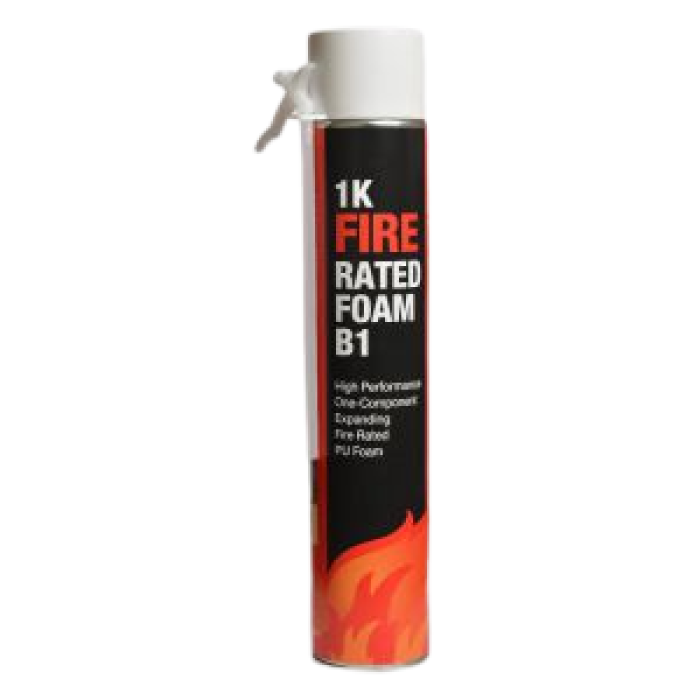
Polyurethane Foam 750 ml: Uses, Benefits and Application Tips
Polyurethane foam in a 750 ml canister is a convenient material for filling, sealing and insulating gaps in building and repair work. It is commonly used around windows and door frames, in wall and roof penetrations, and in other spaces where a durable seal is needed. The canister’s stated volume refers to the product before expansion; the amount of cured foam produced can vary by brand, formulation, temperature, humidity and application technique.
What Is 750 ml Polyurethane Foam?
Polyurethane foam is a moisture-curing material that expands after it is dispensed. Once cured, it forms a lightweight cellular structure that can help reduce air leakage and provide thermal and sound insulation. A 750 ml canister is generally designed for use with a compatible applicator or dispensing gun, depending on the product. Always check the manufacturer’s instructions before use.
Common Uses
- Filling gaps around window and door frames
- Sealing openings around pipes, ducts and service entries
- Filling cracks and voids in suitable walls, roofs and partitions
- Helping reduce draughts and heat transfer through gaps
- Securing or insulating certain building components, where the product is specified for that purpose
Polyurethane foam is not suitable for every application. It should not be treated as a structural adhesive or as a certified fire-stop system unless the specific product has the required rating and is installed according to its approval.
Benefits
- Expands to fill gaps: The foam can reach into irregular spaces that may be difficult to seal with rigid materials.
- Helps improve comfort: When correctly applied, it can reduce unwanted air movement through gaps.
- Lightweight and easy to use: A canister format is practical for small repairs and installation work.
- Can be trimmed after curing: Excess foam may generally be cut away once fully cured, subject to the product instructions.
How to Apply 750 ml PU Foam
- Prepare the area: Remove dust, loose material, oil and other contaminants. Protect nearby surfaces, as uncured foam can be difficult to remove.
- Check conditions: Follow the label for the recommended temperature and moisture conditions. Lightly dampening a suitable surface may help some foams cure, but do so only if the manufacturer recommends it.
- Prepare the canister: Shake and fit the canister or dispensing gun as directed on the label. Use the specified applicator.
- Dispense carefully: Fill only part of the gap where the foam is designed to expand. Avoid overfilling, as expansion can exert pressure on frames or other components.
- Allow it to cure: Keep the area undisturbed for the time stated by the manufacturer. Curing time varies with product, temperature, humidity and the size of the application.
- Finish the surface: Once fully cured, trim excess foam if permitted. Protect exposed foam from sunlight and weather with a suitable covering or coating, as recommended by the product supplier.
Safety and Storage
Read the product label and safety data sheet before use. Wear gloves and eye protection, work in a well-ventilated area, and avoid breathing vapour or getting uncured foam on skin or in the eyes. Many PU foam products are flammable before they cure, so keep them away from flames, sparks and hot surfaces. Keep the canister out of reach of children and do not puncture or burn it, even when empty.
Store the canister in accordance with the manufacturer’s guidance, away from direct sunlight and excessive heat. Use the product within its stated shelf life. If foam gets onto skin or another surface, follow the label’s clean-up instructions; cured foam is usually much harder to remove than uncured material.
Choosing the Right Product
Before buying a 750 ml polyurethane foam, consider the intended use, required expansion behaviour, curing time, application method and any relevant building or fire-safety requirements. Product yield and performance differ between formulations, so compare the technical data sheet rather than relying on canister size alone. For sensitive installations, consult the product manufacturer or a qualified building professional.
Conclusion
A 750 ml polyurethane foam canister is a useful option for sealing and insulating suitable gaps in construction, renovation and maintenance work. Careful preparation, controlled application and attention to the product’s safety instructions help achieve a neat, effective result.
750 ml Polyurethane Foam: Easy Application, Expanding Gap Fill and Draught Protection
- Convenient 750 ml canister for repair jobs.
- Expands to fill irregular gaps.
- Helps reduce draughts and heat loss.
- Lightweight and easy to apply.
- Can be trimmed after curing.
5 Drawbacks of 750 ml Polyurethane Foam
- Can expand more than expected and distort frames.
- Uncured foam can irritate skin and eyes.
- Requires careful handling and good ventilation.
- Exposed foam can degrade in sunlight.
- Cured foam can be difficult to remove.
Convenient 750 ml canister for repair jobs.
The convenient 750 ml canister is well suited to repair jobs around the home or on site, offering a practical amount of polyurethane foam for sealing gaps, filling small voids and insulating hard-to-reach areas. Its portable size is easy to handle and store, making it a handy choice for quick maintenance tasks without needing to manage a larger container.
Expands to fill irregular gaps.
One of the key advantages of 750 ml polyurethane foam is its ability to expand after application and fill irregular gaps, cracks and hard-to-reach spaces. This helps create a closer seal around areas such as window frames, door frames and pipe openings, where surfaces may not be perfectly even. Apply only the recommended amount, as the foam can expand significantly while curing.
Helps reduce draughts and heat loss.
Polyurethane foam 750 ml helps reduce draughts and heat loss by expanding to fill gaps and cavities around window frames, doors, pipes and other building openings. Once cured, it forms a seal that limits unwanted air movement, helping maintain a more comfortable indoor temperature and reducing the workload on heating or cooling systems. For best results, apply it as directed and protect exposed foam from sunlight and weather.
Lightweight and easy to apply.
Polyurethane foam in a 750 ml canister is lightweight and easy to apply, making it convenient for home repairs and construction work. Its manageable size is simple to handle, while the foam can be dispensed directly into gaps and cavities using a compatible applicator. It expands to help fill irregular spaces, reducing the need for heavy tools or complicated installation.
Can be trimmed after curing.
One useful advantage of 750 ml polyurethane foam is that it can be trimmed after it has fully cured. This makes it easier to remove excess foam and create a neat, even finish around window and door frames, pipe openings and other gaps. Follow the product instructions and use a suitable cutting tool, taking care not to damage nearby surfaces or essential seals.
Can expand more than expected and distort frames.
One drawback of 750 ml polyurethane foam is that it can expand more than expected as it cures. If too much foam is applied, the pressure may push against window or door frames and cause them to bend or distort, affecting alignment and operation. Apply it in small amounts, allow room for expansion, and follow the manufacturer’s instructions.
Uncured foam can irritate skin and eyes.
Uncured polyurethane foam can irritate the skin and eyes, so handle a 750 ml canister with care. Wear protective gloves and safety goggles, work in a well-ventilated area, and avoid contact with the foam. Follow the product label for first-aid and clean-up instructions; seek medical advice if irritation persists or foam gets into the eyes.
Requires careful handling and good ventilation.
Polyurethane foam 750 ml requires careful handling and good ventilation during application. Uncured foam can stick to skin, clothing and nearby surfaces, and its vapours may cause irritation, so wear suitable gloves and eye protection, keep the work area well ventilated, and follow the product label and safety instructions.
Exposed foam can degrade in sunlight.
One limitation of 750 ml polyurethane foam is that exposed foam can degrade when left in direct sunlight. Ultraviolet (UV) rays may cause the surface to discolour, become brittle and gradually break down, reducing its durability. After the foam has fully cured, trim any excess if needed and cover it with a suitable sealant, paint or cladding, following the manufacturer’s instructions.
Cured foam can be difficult to remove.
Once polyurethane foam has cured, it can be difficult to remove from skin, clothing, tools and surrounding surfaces. It bonds firmly as it hardens, so spills are best cleaned up promptly using the method recommended on the product label. Protect nearby areas before applying 750 ml PU foam, and wear suitable gloves and eye protection to avoid accidental contact.