
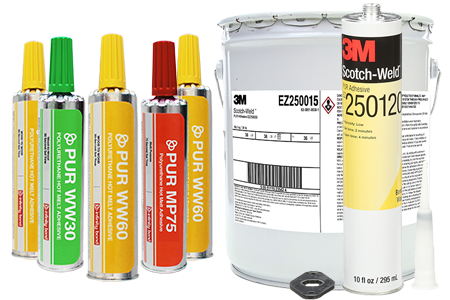
PUR Glue: A Strong, Durable Adhesive for Modern Applications
PUR glue, short for polyurethane reactive glue, is an adhesive used in applications where a strong, lasting bond is needed. It is available in several forms, including reactive hot-melt adhesives and moisture-curing liquid adhesives. PUR adhesives are used across industries such as furniture, woodworking, packaging, automotive and construction.
How Does PUR Glue Work?
The way PUR glue bonds depends on its formulation. A PUR hot-melt adhesive is heated until it flows, then applied to the materials being joined. It cools to form an initial bond and subsequently reacts with moisture in the air or materials to cure further. A liquid PUR adhesive generally cures through a reaction with moisture, forming a durable bond over time.
This curing process can create a bond that is more resistant to heat, moisture and many everyday stresses than a basic hot-melt bond. Exact performance depends on the product, the materials and the application conditions.
Common Uses of PUR Glue
- Furniture and woodworking: Used for edge banding, laminating and bonding wood-based panels.
- Packaging: Applied in carton sealing and other packaging processes where a dependable bond is required.
- Automotive: Used in selected interior trim, upholstery and component-assembly applications.
- Construction: Suitable for certain panel, flooring and building-material applications, subject to the product specification.
- Textiles and footwear: Used to bond some fabrics, foams, leather and synthetic materials.
Key Advantages
- Durable bonding: PUR glue can form a strong bond after it has fully cured.
- Resistance to moisture and heat: Many formulations perform well in conditions that may weaken less specialised adhesives.
- Versatility: Different products are designed for a range of substrates, including wood, plastics, metals, textiles and composites.
- Potential for efficient production: PUR hot-melt systems can support fast processing while the adhesive continues to cure after application.
Choosing the Right PUR Adhesive
There is no single PUR glue suitable for every job. Before selecting a product, consider the materials to be bonded, the required bond strength, exposure to heat or moisture, application method and curing time. Check whether the adhesive is intended for manual use or production equipment, and confirm that it is compatible with the substrate.
Always follow the manufacturer’s technical data sheet. It will provide guidance on application temperature, open time, pressure, curing conditions and any surface preparation required. Testing the adhesive on a small sample is advisable, particularly when bonding unfamiliar materials.
Handling and Storage
Follow the product label and safety data sheet when handling PUR glue. Use suitable protective equipment and ensure good ventilation where required. Hot-melt PUR adhesives can cause burns, so take care around heated equipment and freshly applied adhesive. Some formulations can react with moisture before use, making correct sealing and storage important. Keep the product in its original container and store it according to the manufacturer’s instructions.
Conclusion
PUR glue is a versatile adhesive technology valued for its durable bonds and suitability for many industrial and commercial uses. Choosing the correct formulation—and applying it under the conditions specified by the manufacturer—helps deliver reliable results. For critical or large-scale applications, consult the adhesive supplier and test the complete bonding process before production.
7 Key Benefits of PUR Glue for Strong, Durable and Versatile Bonding
- Creates strong, durable bonds.
- Offers good moisture resistance.
- Withstands heat better than many standard glues.
- Bonds a wide range of materials.
- Suitable for furniture and woodworking.
- Can support fast production processes.
- Provides reliable results when used as directed.
Four Key Disadvantages of PUR Glue
- Can be more expensive than standard adhesives.
- Requires careful handling and storage.
- Some types need specialised application equipment.
- Curing time can delay handling or finishing.
Creates strong, durable bonds.
PUR glue creates strong, durable bonds that can withstand the demands of everyday use and many industrial applications. As it cures, the adhesive forms a secure connection between compatible materials, helping products and components stay firmly joined over time. This makes it a suitable choice for applications where lasting bond strength is important.
Offers good moisture resistance.
One of the key advantages of PUR glue is its good moisture resistance. Once fully cured, it can maintain a reliable bond in damp conditions and resist exposure to moisture better than many conventional adhesives. This makes it a useful choice for applications such as furniture, flooring and construction, where bonded materials may encounter humidity or occasional water exposure. Performance varies by product, so always check the manufacturer’s specifications for the intended use.
Withstands heat better than many standard glues.
PUR glue can withstand higher temperatures than many standard adhesives, making it a suitable choice for products exposed to heat during use or processing. Once fully cured, it can help maintain a reliable bond where ordinary glues may soften or lose strength. Heat resistance varies by formulation and application, so check the manufacturer’s specifications before use.
Bonds a wide range of materials.
One of the key advantages of PUR glue is its ability to bond a wide range of materials. Depending on the formulation, it can join substrates such as wood, plastics, metals, textiles, foam and composite materials. This versatility makes PUR glue useful across industries, from furniture and packaging to automotive and construction. For the best results, check that the adhesive is suitable for the specific materials and follow the manufacturer’s application instructions.
Suitable for furniture and woodworking.
PUR glue is well suited to furniture and woodworking because it can create a strong, durable bond between materials such as solid wood, veneers and wood-based panels. It is commonly used for applications including edge banding, laminating and furniture assembly, where a neat finish and dependable adhesion are important. Depending on the formulation, its resistance to heat and moisture can also help bonded components withstand everyday use. Always check the product specifications to ensure the adhesive is suitable for the materials and application.
Can support fast production processes.
PUR glue can support fast production processes by developing an initial bond soon after application, allowing components to be handled or moved with minimal delay. In hot-melt systems, the adhesive sets as it cools, then continues to cure through a reaction with moisture. This can help manufacturers maintain efficient workflows, though the appropriate setting and curing times depend on the product, materials and application conditions.
Provides reliable results when used as directed.
PUR glue provides reliable results when used as directed. Following the manufacturer’s instructions for surface preparation, application, temperature and curing helps the adhesive form a consistent, durable bond. For best results, choose a formulation suited to the materials and conditions of the job, and test it on a small sample when needed.
Can be more expensive than standard adhesives.
One drawback of PUR glue is that it can be more expensive than standard adhesives. The adhesive itself may cost more, and specialised application equipment or careful handling can add to the overall expense. For small or straightforward jobs, a conventional adhesive may be a more economical choice, so it is worth comparing the total cost with the performance required.
Requires careful handling and storage.
PUR glue requires careful handling and storage because exposure to moisture can cause it to react and begin curing before use. Keep the adhesive sealed in its original packaging and follow the manufacturer’s storage instructions, including any temperature requirements. When applying it, use appropriate protective equipment and take care with hot-melt products, which can cause burns. Always check the product label and safety data sheet for specific precautions.
Some types need specialised application equipment.
Some types of PUR glue require specialised application equipment, such as heated dispensing systems, to control the adhesive’s temperature and ensure it is applied correctly. This can increase the initial investment and maintenance costs, and may require trained operators. As a result, PUR glue may be less convenient for small workshops or occasional DIY projects than adhesives that can be applied with standard tools.
Curing time can delay handling or finishing.
One drawback of PUR glue is that it may need time to cure fully before a bonded item can be handled, machined or finished. Although the adhesive may develop an initial bond quickly, its final strength often builds as it reacts with moisture. This can slow production, take up work-in-progress space and delay subsequent steps such as trimming, sanding or painting. Following the manufacturer’s curing guidance helps ensure the bond is not disturbed too soon.