
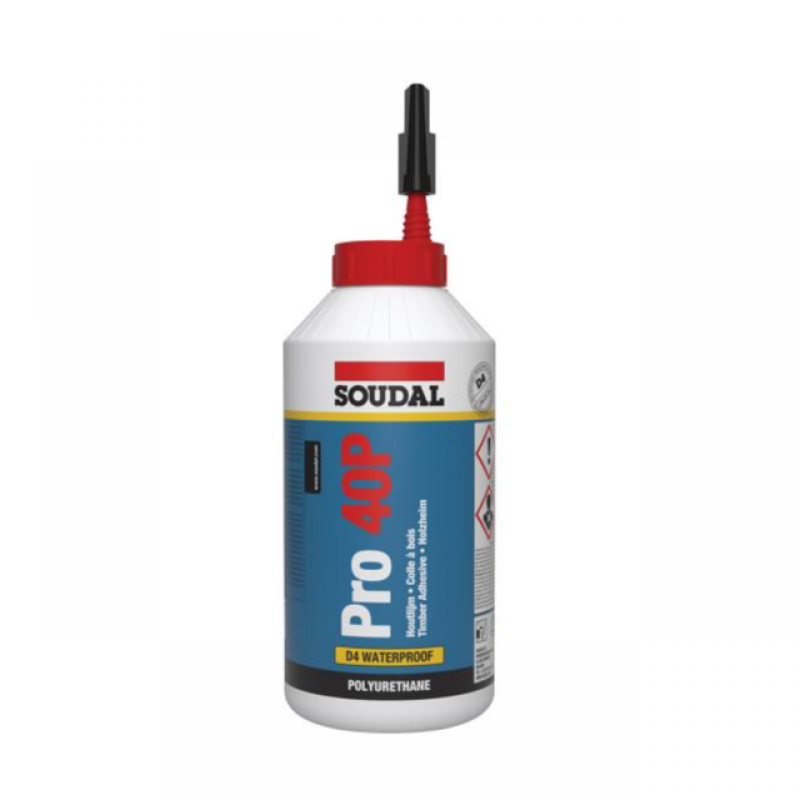
Foaming Polyurethane Glue: Uses, Benefits and Application Tips
Foaming polyurethane glue is an adhesive that expands slightly as it cures, creating a bond between suitable surfaces. It is commonly used in woodworking, construction and repair work where a strong bond is needed and small gaps may be present. The amount of expansion and the best application method vary by product, so always follow the manufacturer’s instructions.
How Does Foaming Polyurethane Glue Work?
Many one-part polyurethane adhesives react with moisture in the air or on the material’s surface. As they cure, they may foam and expand. This can help the adhesive make contact with uneven surfaces, but it does not mean the glue can safely fill any size of gap or replace a proper mechanical fixing.
Not every polyurethane adhesive foams. Some are formulated to create a thin, strong bond line. Check the product label or technical data sheet to confirm whether an adhesive is intended to expand.
Common Uses
- Woodworking: Bonding timber, laminates and some wood-based materials.
- Construction and repairs: Joining compatible building materials where the product is approved for the intended application.
- Outdoor projects: Some formulations are suitable for exterior use, subject to their stated weather and exposure ratings.
- Uneven joints: Light foaming may help maintain contact across minor surface irregularities.
Always confirm that the adhesive is suitable for both materials. Polyurethane glue may not bond well to certain plastics, oily surfaces, silicone, or other materials with low surface energy. A small test on an inconspicuous area can help identify compatibility issues.
Benefits
- Strong bonding: Formulations can provide durable bonds across a range of materials.
- Some gap tolerance: Expansion may help with minor irregularities, though it should not be treated as a substitute for a close-fitting joint.
- Versatile applications: Depending on the product, the adhesive may be used for indoor or outdoor work.
- Useful for repairs: It can be a practical option when conventional adhesives are not suitable for the materials or conditions.
How to Apply Foaming Polyurethane Glue
- Read the product instructions. Check the permitted materials, application temperature, curing time and any clamping requirements.
- Prepare the surfaces. Remove dust, grease, loose material and old adhesive. The surfaces should be properly aligned before application.
- Apply sparingly. Use the quantity recommended by the manufacturer. Excess adhesive can expand out of the joint and create a difficult-to-clean mess.
- Assemble and secure the parts. Clamp or otherwise hold them in place as directed. Expansion can push components apart if they are not adequately restrained.
- Allow it to cure. Keep the joint undisturbed for the stated time. Curing may vary with temperature, humidity, the materials and the size of the joint.
- Remove squeeze-out carefully. Follow the product guidance for clean-up. Cured polyurethane can be difficult to remove without damaging the surface.
Safety and Storage
Uncured polyurethane adhesives can irritate the skin and eyes, and some products contain chemicals that require additional precautions. Work in a well-ventilated area, wear suitable gloves and eye protection, and avoid breathing vapour or dust from cured adhesive. Follow the safety data sheet and keep the product away from children, heat and ignition sources where specified.
Store the container as directed, with the lid or nozzle properly sealed. Use the adhesive before its stated shelf life, as exposure to moisture can affect some products.
Choosing the Right Product
Before buying, consider the materials being joined, whether the project is indoors or outdoors, the expected moisture and temperature conditions, and whether the joint will carry a load. Look for clear information about bond strength, water resistance, curing time, expansion and suitable substrates. For structural, safety-critical or regulated applications, use an approved system and consult a qualified professional.
Conclusion
Foaming polyurethane glue can be a useful adhesive for compatible materials and carefully prepared joints. Its expansion may help with minor surface irregularities, but it also makes accurate application and firm restraint important. Selecting the right formulation and following the manufacturer’s instructions are essential for a reliable result.
Foaming Polyurethane Glue: FAQs on Uses, Suitable Adhesives and Common Drawbacks
- What kind of glue for polyurethane foam?
- What glue for polyurethane foam?
- What is the main problem with polyurethane glue?
- What are the disadvantages of polyurethane glue?
- What is polyurethane glue used for?
What kind of glue for polyurethane foam?
For polyurethane foam, choose an adhesive labelled as safe for PU foam and suitable for the materials being joined. Flexible foam is often bonded with a water-based or foam-grade contact adhesive; for rigid insulation boards, use an adhesive specifically approved for polyurethane insulation. Avoid untested solvent-based glues, as some can damage or dissolve the foam. Check the product instructions, test on a small area first, and allow adequate ventilation and curing time.
What glue for polyurethane foam?
For bonding polyurethane foam, use an adhesive specifically labelled as suitable for flexible PU foam. Water-based foam adhesives are often a good choice for upholstery and craft projects, while some solvent-based products are suitable for particular applications. Check that the glue will not dissolve, stiffen or discolour the foam, and follow the product instructions for application, ventilation and curing. Avoid using an adhesive unless its label confirms compatibility, as formulations vary and some solvents can damage foam.
What is the main problem with polyurethane glue?
The main problem with polyurethane glue is that it can expand as it cures, causing excess adhesive to squeeze out or push the joint apart if the parts are not firmly clamped. The uncured glue can also be difficult to clean from skin and surfaces, so apply it sparingly, wear gloves and follow the product instructions.
What are the disadvantages of polyurethane glue?
Polyurethane glue has a few drawbacks to consider: it can expand as it cures, so excess adhesive may squeeze out and push poorly secured parts apart; clean-up can be difficult once it has hardened; and uncured glue may irritate the skin or eyes, making gloves, eye protection and good ventilation important. It can also require careful surface preparation and suitable moisture and curing conditions, and it may not bond well to every material. Always check the product instructions, including its suitability for the surfaces and application.
What is polyurethane glue used for?
Polyurethane glue is used to bond a range of compatible materials, including wood, some plastics, metal, ceramics and building materials. It is popular for woodworking, construction and repairs, and certain formulations are suitable for outdoor use. Some polyurethane glues foam as they cure, which can help accommodate minor surface irregularities, but they should not be relied on to fill large gaps. Always check the product label to ensure it is suitable for the materials and conditions involved.