
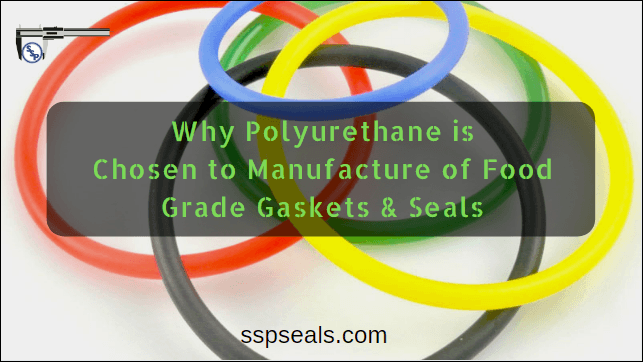
Polyurethane Gasket Material: Properties, Applications and Selection
Polyurethane, commonly known as PU, is a versatile material used to manufacture gaskets and seals for applications that need a combination of elasticity, strength and resistance to wear. Available in different formulations and hardness levels, polyurethane can be designed to suit a wide range of industrial requirements.
What Is a Polyurethane Gasket?
A polyurethane gasket is a sealing component made from a polyurethane elastomer. It is fitted between two surfaces to help prevent the passage of liquids, gases, dust or other contaminants. Depending on its design and the operating conditions, a PU gasket may be made as a flat sheet, a custom-cut profile, a moulded part or a specialised seal.
Polyurethane combines properties associated with rubber and plastics. Its performance depends on the particular formulation, hardness, manufacturing process and gasket design, so material specifications should be checked before use.
Key Properties
- High abrasion resistance: PU can withstand repeated rubbing and contact, making it useful in applications where gasket surfaces are subject to wear.
- Good load-bearing capability: Many polyurethane grades can resist compression and mechanical stress while maintaining a dependable seal.
- Elasticity and resilience: Depending on the formulation, PU can deform under pressure and recover its shape, helping it accommodate minor surface irregularities.
- Tear and impact resistance: Polyurethane can offer resistance to tearing and sudden mechanical loads.
- Flexible hardness options: PU is available in a range of hardness levels, allowing designers to balance flexibility, strength and compression resistance.
- Customisable design: Gaskets can be produced in different shapes and dimensions to suit specific equipment and sealing requirements.
Common Applications
Polyurethane gaskets are used across industries where mechanical durability and wear resistance are important. Typical applications include:
- Industrial machinery and equipment
- Material-handling and conveying systems
- Hydraulic and pneumatic equipment, where the grade is suitable for the pressure and fluid involved
- Pumps, valves and housings
- Automotive and transport components
- Construction and agricultural equipment
- Dust, splash and general-purpose environmental sealing
The correct material depends on the application. A gasket used in a static enclosure may have different requirements from a seal exposed to pressure, movement or abrasive particles.
Polyurethane Compared with Other Gasket Materials
Polyurethane may be chosen when abrasion resistance, mechanical strength and resilience are priorities. However, it is not a universal replacement for rubber, silicone, PTFE or other gasket materials.
- Compared with many rubber compounds: PU can provide strong wear and tear resistance, although the exact comparison depends on the grades being evaluated.
- Compared with silicone: Silicone is often selected for applications requiring performance at elevated or very low temperatures. A suitable PU grade should be checked carefully when temperature is a concern.
- Compared with PTFE: PTFE is often preferred for broad chemical compatibility and low friction, while polyurethane may offer greater elasticity and resistance to mechanical wear in some uses.
Factors to Consider When Selecting a PU Gasket
Choosing a gasket based on material name alone can lead to poor sealing performance. Consider the following factors before specifying polyurethane:
- Operating temperature: Confirm the continuous and peak temperature limits for the specific polyurethane compound.
- Media compatibility: Check resistance to the liquids, oils, cleaning agents and other substances the gasket will contact. Compatibility varies between formulations.
- Pressure and movement: Define the pressure, vibration and any sliding or repeated motion the gasket must withstand.
- Compression and recovery: Ensure the material can provide the required sealing force without excessive permanent deformation.
- Hardness and dimensions: Select a suitable hardness, thickness and profile for the joint, groove and mating surfaces.
- Exposure conditions: Consider sunlight, ozone, moisture, dust and outdoor exposure where relevant.
- Manufacturing requirements: Check whether the gasket needs to be cut from sheet, moulded or made to a custom profile, and confirm the tolerances required.
Limitations and Good Practice
Polyurethane performance is formulation-dependent. Some grades may be unsuitable for high temperatures, particular chemicals, prolonged outdoor exposure or applications requiring specialised regulatory approvals. Gasket design also matters: incorrect compression, poor surface finish, inadequate bolt loading or an unsuitable profile can cause leakage even when the material itself is appropriate.
Before production or installation, review the supplier’s technical data and test the selected grade under conditions representative of actual service. For critical applications, seek advice from a gasket or materials specialist.
Conclusion
Polyurethane gasket material can be a strong choice where durability, abrasion resistance and mechanical resilience are needed. Its range of formulations and design options makes it suitable for many industrial sealing tasks. The best results come from matching the specific PU grade and gasket design to the temperature, pressure, media and operating conditions of the application.
Polyurethane Gasket Material: 6 Frequently Asked Questions
- What is urethane seal material?
- Can polyurethane be used as gasket?
- Is polyurethane better than silicone gaskets?
- What’s the best material to use for gasket material?
- What material is best for gaskets?
- What is polyurethane material?
What is urethane seal material?
Urethane seal material, also known as polyurethane (PU), is a versatile elastomer used to make seals and gaskets that help prevent the passage of liquids, gases, dust and other contaminants. It is valued for its resilience, strength and resistance to abrasion and tearing, making it suitable for many industrial applications. Its properties vary by formulation, so the right grade should be selected based on operating temperature, pressure, movement and contact with oils or chemicals.
Can polyurethane be used as gasket?
Yes, polyurethane can be used as a gasket material, particularly where abrasion resistance, toughness and resilience are important. It is available in different grades and hardness levels, so the right type can be selected for applications such as machinery, pumps and material-handling equipment. Suitability depends on the operating temperature, pressure, movement and contact with oils, chemicals or other fluids, as polyurethane’s resistance varies by formulation. Check the manufacturer’s technical data and confirm that the grade is compatible with the application before use.
Is polyurethane better than silicone gaskets?
Polyurethane is not universally better than silicone; the right choice depends on the application. Polyurethane is often preferred where abrasion, tear resistance and mechanical strength are important, while silicone is commonly chosen for applications involving a wider range of high or low temperatures. Chemical compatibility, pressure, movement and exposure conditions also vary by grade, so compare the manufacturers’ specifications for the exact materials and operating environment before selecting a gasket.
What’s the best material to use for gasket material?
There is no single best gasket material for every application; the right choice depends on the operating temperature, pressure, fluids or chemicals, movement and required service life. Polyurethane (PU) is a good option where abrasion resistance, toughness and resilience are important, while materials such as rubber, silicone or PTFE may be more suitable for particular temperature or chemical conditions. Check the material’s technical specifications against the actual operating environment and consult a gasket specialist for critical applications.
What material is best for gaskets?
There is no single gasket material that is best for every application. The right choice depends on operating temperature and pressure, the fluids or gases involved, movement, and exposure to weather or chemicals. Polyurethane can be a good option where abrasion resistance, strength and resilience are important, while materials such as rubber, silicone or PTFE may be more suitable for other conditions. Check the material’s technical specifications and compatibility with the application before selecting a gasket.
What is polyurethane material?
Polyurethane (PU) is a versatile polymer made by reacting polyols with isocyanates. It can be formulated as a flexible elastomer, foam or rigid material; for gaskets, flexible polyurethane is commonly used for its elasticity, strength and resistance to abrasion and wear. Its properties vary by formulation, so the grade should be selected to suit the application’s temperature, pressure and chemical exposure.