
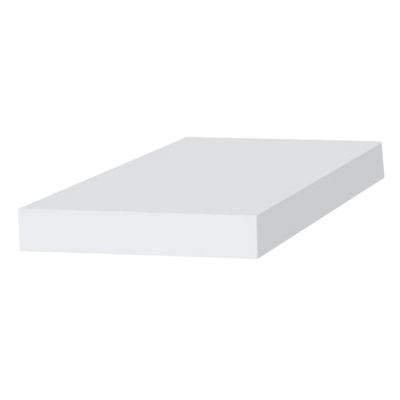
High-Density Polyurethane Foam Sheet: Features, Uses and Buying Guide
High-density polyurethane (PU) foam sheets are versatile materials used in furniture, transport, packaging, construction and industrial applications. They are valued for their strength, cushioning and ability to be cut into different shapes and sizes. However, “high density” does not describe one standard grade: density ranges and performance can vary between manufacturers and products.
What Is High-Density PU Foam?
Polyurethane foam is made by reacting chemical components to create a cellular material. The finished foam contains many small cells that provide cushioning and support. A high-density PU foam sheet contains more material by volume than a lower-density sheet of the same size.
Density is usually measured in kilograms per cubic metre (kg/m3). It should not be confused with firmness. Density indicates the foam’s mass per unit volume, while firmness describes how much force is needed to compress it. Two sheets with similar density may feel different, so it is useful to check both specifications when selecting a product.
Key Features
- Support and cushioning: The foam can provide a supportive base in seating and other cushioning applications.
- Shape retention: Depending on its grade and use, it can retain its shape under repeated loading better than some lower-density options.
- Easy fabrication: Sheets can generally be cut, shaped or laminated to suit a particular design, subject to the manufacturer’s guidance.
- Range of grades: PU foam is available in different densities, firmness levels, cell structures and performance grades.
- Light weight: Compared with many solid materials, foam can provide cushioning without adding excessive weight.
Common Applications
High-density polyurethane foam sheets are used in a wide range of products and settings, including:
- sofa, chair and mattress components;
- vehicle seating, headrests and interior trim;
- protective packaging and equipment inserts;
- cushioning for commercial and institutional furniture;
- industrial pads, seals and insulation-related applications; and
- custom fabrication, where sheets are cut to fit a specific space or product.
The right grade depends on the job. Foam intended for a seat, for example, may need different firmness and durability characteristics from foam used for protective packaging.
How to Choose a PU Foam Sheet
Before purchasing, consider the conditions in which the sheet will be used. Ask the supplier for technical information relevant to the application, such as:
- Density and firmness: Confirm both measurements rather than relying on the term “high density” alone.
- Thickness and dimensions: Check the required sheet size and whether it can be supplied or cut to the needed measurements.
- Load and use: Explain whether the foam will be used for occasional seating, regular use, packaging or another purpose.
- Environmental conditions: Consider exposure to heat, moisture, sunlight, oils or cleaning products, as these can affect performance.
- Safety requirements: Where relevant, request information about fire performance, emissions or other applicable standards. Requirements may differ by product and application.
- Test data and warranty: Ask for product specifications and guidance on expected service conditions. Performance depends on the grade, construction and use.
Care and Handling
Store foam sheets flat in a clean, dry place and follow the supplier’s instructions for handling and storage. Avoid prolonged exposure to direct sunlight, excessive heat and incompatible chemicals. For upholstered products, use suitable covers and cleaning methods, and allow the material to dry properly if it becomes damp.
Choosing the Right Supplier
A reliable supplier should be able to explain the difference between density and firmness, provide consistent product specifications and recommend a suitable grade for the intended use. If the foam is being used in a regulated product or a safety-critical application, verify that it meets the relevant Indian and industry requirements before placing an order.
Conclusion
High-density polyurethane foam sheets offer a practical combination of cushioning, support and versatility. Their performance is not determined by density alone: firmness, thickness, foam grade and service conditions also matter. Comparing specifications and discussing the application with a knowledgeable supplier can help ensure the selected sheet is suitable for the job.
6 Essential Tips for Choosing, Cutting and Storing High-Density Polyurethane Foam Sheets
- Choose the density and firmness to suit your application.
- Check the sheet thickness before ordering.
- Use a sharp knife for clean, accurate cuts.
- Keep the foam dry and well ventilated.
- Protect it from direct sunlight and excess heat.
- Keep it away from flames and ignition sources.
Choose the density and firmness to suit your application.
Choose the density and firmness of a high-density polyurethane foam sheet according to how it will be used. Density affects the foam’s weight and durability, while firmness determines how much support or cushioning it provides. For example, seating may need a different balance of support and comfort from protective packaging or industrial padding. Check the product specifications and consult your supplier to select a grade suited to the expected load and frequency of use.
Check the sheet thickness before ordering.
Check the sheet thickness before ordering to ensure it suits your application. The right thickness can affect support, comfort, cushioning and fit, particularly when the foam must sit within a frame or be cut to specific dimensions. Confirm the measurements with your supplier and allow for any covering or finishing materials.
Use a sharp knife for clean, accurate cuts.
Use a sharp knife when cutting a high-density polyurethane foam sheet to achieve clean, accurate edges and reduce tearing or uneven cuts. Mark the measurements clearly, place the foam on a stable cutting surface and cut slowly, following the line with steady pressure. For thicker sheets, several controlled passes may give a neater result than forcing the blade through in one go. Keep hands clear of the blade and use suitable safety precautions.
Keep the foam dry and well ventilated.
Keep high-density polyurethane foam sheets dry and well ventilated to help prevent moisture build-up, unpleasant odours and deterioration. Store them in a clean, dry area away from damp floors, and allow air to circulate around the sheets. If the foam becomes wet, dry it thoroughly before use or storage, following the supplier’s care instructions.
Protect it from direct sunlight and excess heat.
Protect high-density polyurethane foam sheets from direct sunlight and excessive heat, as prolonged exposure can cause the material to discolour, become brittle or lose some of its cushioning properties. Store the sheets in a cool, dry, shaded place, away from heat sources, to help maintain their quality and performance.
Keep it away from flames and ignition sources.
Keep high-density polyurethane foam sheets away from open flames, sparks and other ignition sources. Like many foam materials, polyurethane foam can catch fire and may produce hazardous smoke when burning. Store it in a cool, well-ventilated area, follow the supplier’s safety instructions and keep suitable fire-safety measures in place.