
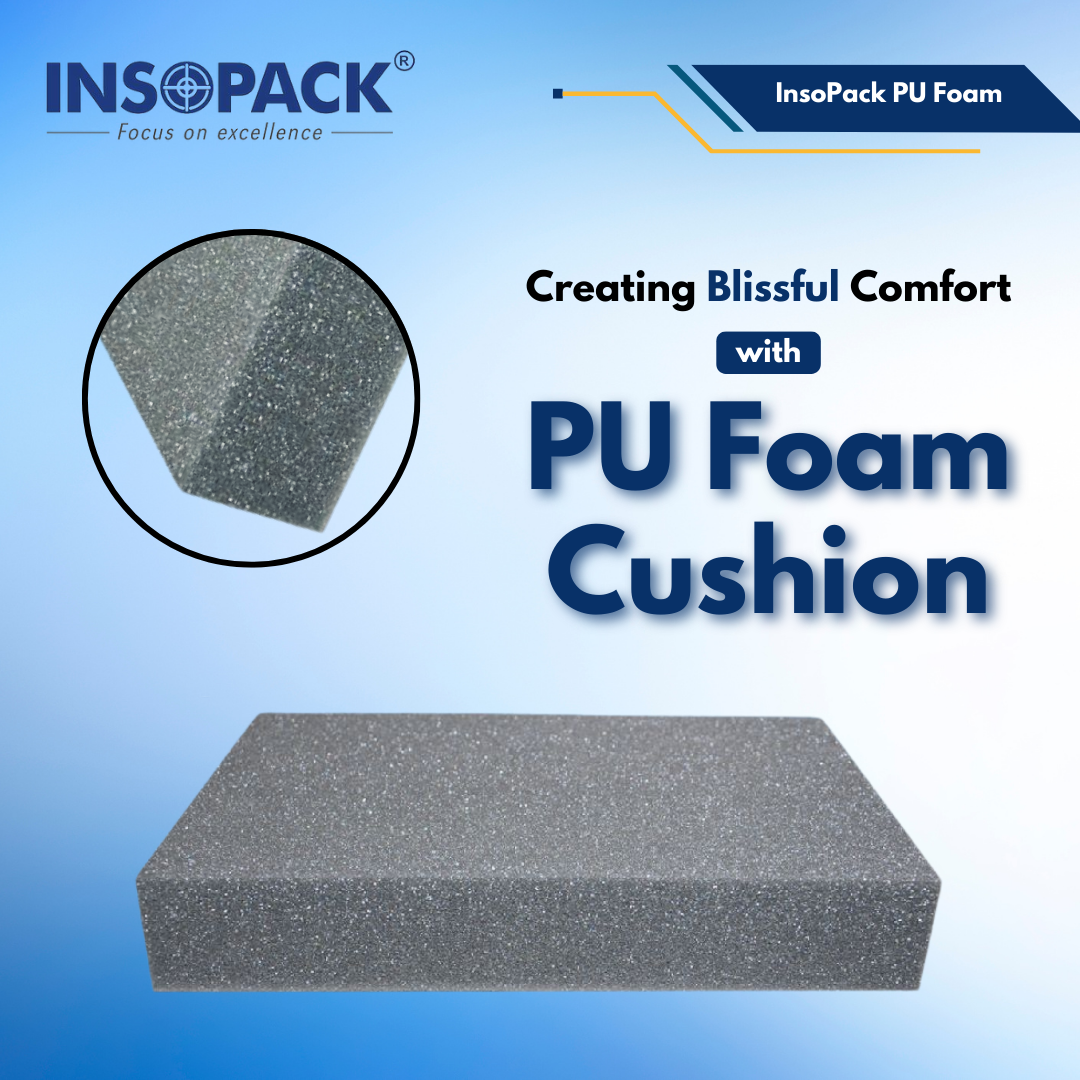
PU Soft Foam: A Versatile Material for Everyday Comfort
PU soft foam, also known as flexible polyurethane foam, is a lightweight and cushioning material used in many products across homes, workplaces and industries. It is valued for its comfort, resilience and ability to be made in different densities and firmness levels.
What Is PU Soft Foam?
Polyurethane (PU) foam is made through a chemical reaction involving polyols and isocyanates, along with other ingredients that help control the foam’s properties. In soft foam, the process creates a cellular structure containing many small pockets. This structure allows the material to compress under pressure and recover much of its shape when the pressure is removed.
PU soft foam is different from rigid polyurethane foam, which is designed for applications such as insulation. Flexible foam is instead developed for cushioning, support and comfort.
Key Properties
- Comfort and cushioning: The foam can be formulated to feel soft, firm or somewhere in between.
- Resilience: Many grades recover their shape after being compressed, although performance varies by formulation and use.
- Low weight: Its cellular structure provides cushioning without adding excessive weight.
- Design flexibility: Foam can be produced in a range of densities, firmness levels, shapes and sizes.
- Practicality: It can be cut or moulded to suit the design requirements of different products.
Common Applications
PU soft foam is used in a wide range of products. Common applications include:
- Mattresses, pillows and upholstered furniture
- Vehicle seating, headrests and interior trim
- Office chairs and seating in public spaces
- Packaging and protective cushioning
- Acoustic treatments and selected building applications
- Medical, comfort and personal-care products
The right foam depends on how the product will be used. For example, seating foam may need to balance comfort with support and durability, while packaging foam may be selected to protect a product from impact.
Density and Firmness
Density and firmness are related but different characteristics. Density refers to the mass of foam within a given volume. Firmness describes how much force is needed to compress it. A denser foam is not automatically firmer, and a firm foam is not necessarily the most suitable choice for every application.
When choosing PU soft foam, consider the expected load, frequency of use, desired comfort, product design and service life. Manufacturers can recommend a grade based on these requirements.
Manufacturing and Quality
PU soft foam may be produced in large blocks for conversion into sheets, or moulded directly into specific shapes. During production, factors such as ingredient selection, mixing, temperature and processing conditions affect the foam’s structure and performance.
Quality checks can assess properties such as density, firmness, resilience, compression behaviour and dimensional consistency. Requirements vary by product and application, so buyers should check the relevant product specifications and applicable standards.
Safe Use and Care
Use foam products in accordance with the manufacturer’s instructions. Keep them away from naked flames and other ignition sources unless they have been specifically designed and tested for the intended fire-safety requirements. Foam should not be exposed to excessive heat, and damaged products should be assessed or replaced as appropriate.
For furniture and bedding, removable covers and regular cleaning can help maintain the product. Follow the care instructions, as some cleaning agents or excessive moisture may affect the foam or its covering materials.
Environmental Considerations
Like other materials, PU soft foam has environmental impacts across its life cycle, including the sourcing of raw materials, manufacture, use and disposal. Product durability, efficient production and responsible end-of-life management can all help reduce waste. Recycling and recovery options depend on the foam type and the facilities available locally.
When purchasing foam products, buyers can ask suppliers about product lifespan, material specifications, manufacturing practices and available recovery or recycling options.
Choosing the Right PU Soft Foam
PU soft foam is a versatile material because it can be tailored to suit different needs. Selecting the right grade involves more than choosing a soft or firm feel: density, resilience, durability, design and intended use all matter. Clear product specifications and advice from a knowledgeable supplier can help ensure that the foam performs well throughout its service life.
8 Essential Tips for Choosing and Caring for PU Soft Foam
- Choose PU soft foam by density and firmness for your intended use.
- Use higher-density foam for better durability in frequently used seating.
- Check the foam’s dimensions before cutting or fitting it.
- Keep foam away from open flames and high heat.
- Allow new foam to air out in a well-ventilated space.
- Use a washable cover to protect foam from dust and spills.
- Clean stains gently; avoid soaking the foam.
- Replace foam that has sagged or lost its support.
Choose PU soft foam by density and firmness for your intended use.
Choose PU soft foam based on both density and firmness, as these properties affect how it feels and performs. Density indicates the amount of foam material within a given volume, while firmness describes how much pressure is needed to compress it. For example, seating used every day may need foam that offers suitable support and durability, whereas cushions or packaging may require different levels of softness. Consider the product’s intended use, expected load and desired comfort, and check the supplier’s specifications before making a choice.
Use higher-density foam for better durability in frequently used seating.
For seating that is used frequently, choose higher-density PU soft foam to help it retain its shape and support over time. Density alone does not determine firmness or overall performance, so consider the foam’s firmness, resilience and suitability for the intended use as well.
Check the foam’s dimensions before cutting or fitting it.
Before cutting or fitting PU soft foam, check its length, width and thickness against the product or space it is intended for. Measure carefully and allow for any required clearance or compression, as foam that is too large may be difficult to fit, while foam that is too small may leave gaps or provide uneven support. Mark the cutting lines clearly and use a suitable sharp tool for a neat, accurate finish.
Keep foam away from open flames and high heat.
Keep PU soft foam away from open flames, sparks and sources of high heat, as it may ignite or be damaged when exposed to excessive temperatures. Follow the manufacturer’s safety and care instructions, and use foam products only in applications where their fire-safety properties are suitable.
Allow new foam to air out in a well-ventilated space.
When bringing new PU soft foam into your home, allow it to air out in a well-ventilated space before use. Open windows or place the foam in an area with good airflow, and follow the manufacturer’s care instructions. This can help disperse any temporary odour from packaging or manufacturing.
Use a washable cover to protect foam from dust and spills.
Use a washable cover to protect PU soft foam from dust, spills and everyday wear. Choose a cover that fits well without compressing the foam, and wash it according to the care instructions. Make sure the cover is completely dry before putting it back to help keep the foam fresh and in good condition.
Clean stains gently; avoid soaking the foam.
Clean stains on PU soft foam gently by dabbing the affected area with a soft cloth and a mild cleaning solution. Avoid scrubbing, using harsh chemicals or soaking the foam, as excess moisture can damage its structure and make it difficult to dry properly. Allow the area to air-dry completely before using the foam again.
Replace foam that has sagged or lost its support.
Replace PU soft foam that has sagged or no longer provides adequate support. Worn foam may feel uneven, remain compressed after use or make seating and bedding less comfortable. Replacing it can restore cushioning and help the product perform as intended. Check the product’s care instructions and choose replacement foam suited to its use, dimensions and required firmness.