
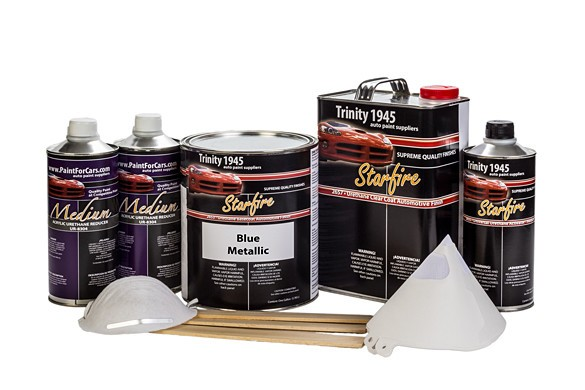
Auto Polyurethane Paint: A Durable Finish for Vehicles
Auto polyurethane paint is a popular coating used to protect and finish cars, motorcycles and other vehicles. Known for its durability and glossy appearance, it is commonly used in professional automotive refinishing. When correctly selected and applied, it can help a vehicle’s exterior withstand everyday exposure to weather, road grime and minor abrasion.
What Is Polyurethane Automotive Paint?
Polyurethane paint is a coating based on polyurethane resins. Automotive systems may be supplied as single-stage paints or as part of a two-stage system. In a two-stage system, a coloured basecoat is covered with a clearcoat, which provides gloss and additional protection. Some polyurethane products are two-component coatings, mixed with a hardener before application. The exact formulation and method vary by product, so the manufacturer’s instructions should always be followed.
Key Benefits
- Durability: A properly cured coating can offer good resistance to wear and everyday environmental exposure.
- Appearance: Polyurethane systems are available in a wide range of colours and finishes, including gloss, satin and matte.
- Weather protection: Automotive formulations are designed to help protect the underlying surface from sunlight, moisture and common contaminants.
- Repair options: Many systems can be used for full-vehicle refinishing or for repairing individual panels, subject to compatibility with the existing finish.
Where It Is Used
Polyurethane coatings are used on vehicle body panels and, depending on the product, on components such as bumpers and accessories. They are also used in commercial vehicle and industrial equipment refinishing. Not every polyurethane paint is suitable for every surface: metal, plastic and previously painted parts may need different preparation or primers.
Application and Preparation
A quality finish depends as much on preparation as on the paint itself. The surface generally needs to be cleaned, dried, sanded and repaired before painting. A suitable primer may be required, especially on bare metal or certain plastics. The paint should be mixed and applied according to its technical data sheet, using the recommended equipment, number of coats, flash-off times and curing conditions.
Spraying should be carried out in a properly equipped refinishing area. Dust, poor ventilation, incorrect mixing or unsuitable temperature and humidity can affect the finish. For best results, automotive polyurethane paint is usually applied by a trained professional.
Safety Considerations
Some automotive polyurethane products contain hazardous substances, including solvents and, in certain formulations, isocyanates. Exposure can pose serious health risks, particularly during spraying. Read the product’s safety data sheet and use the protective equipment and ventilation specified by the manufacturer. Spraying should not be done in a home garage or an unventilated space. A qualified body shop can provide appropriate controls for the product being used.
Maintenance
After application, allow the coating to cure for the period specified by the paint manufacturer before washing or polishing the vehicle. Once cured, regular washing with automotive shampoo can help remove dirt and road deposits. Avoid abrasive cleaners and follow the body shop’s advice on waxing, polishing and paint protection products, particularly during the initial curing period.
Choosing the Right Paint
When choosing auto polyurethane paint, consider the vehicle’s original finish, the surface material, the desired colour and sheen, and the conditions in which the vehicle is used. Check compatibility with existing coatings and confirm whether a primer, hardener or clearcoat is required. In India, temperature, humidity and dust levels can vary considerably by region and season, so application conditions and product guidance matter.
Auto polyurethane paint can provide an attractive, long-lasting vehicle finish when the right system is matched to the surface and applied safely and correctly. For major repairs or a full repaint, consult a professional automotive refinisher.
8 Essential Tips for Applying Automotive Polyurethane Paint
- Clean and degrease the surface before sanding.
- Use the primer recommended for your paint system.
- Follow the tin’s mixing ratio and pot life.
- Wear a suitable respirator, gloves and eye protection.
- Spray in a well-ventilated, dust-free spray booth.
- Apply light, even coats rather than one heavy coat.
- Allow the stated flash-off time between coats.
- Keep the finish dry and dust-free while it cures.
Clean and degrease the surface before sanding.
Before sanding, clean and degrease the surface thoroughly to remove dust, wax, oil, road grime and other contaminants. If these residues are sanded into the paintwork, they can spread across the panel and affect adhesion or leave imperfections in the final finish. Use a cleaner suitable for automotive surfaces, follow its instructions, and let the panel dry completely before sanding. Keep clean and dirty cloths separate to avoid transferring contaminants back onto the surface.
Use the primer recommended for your paint system.
Use the primer recommended for your auto polyurethane paint system to help ensure proper adhesion and a smooth, durable finish. Primers are formulated to work with specific paints and surfaces, so using an incompatible product may lead to peeling, uneven colour or other coating defects. Follow the manufacturer’s instructions for surface preparation, application and drying times before applying the polyurethane paint.
Follow the tin’s mixing ratio and pot life.
Always follow the mixing ratio and pot life stated on the auto polyurethane paint tin or product data sheet. Measure the paint and hardener accurately, and add thinner only if the manufacturer recommends it. Once mixed, the paint remains usable only for the specified pot life; after that, it may thicken or lose its performance, even if it still looks workable. Mix only the quantity you can apply in time, and never try to extend pot life by adding more thinner.
Wear a suitable respirator, gloves and eye protection.
When working with auto polyurethane paint, wear a suitable respirator, chemical-resistant gloves and eye protection to reduce exposure to harmful vapours, splashes and paint particles. Follow the product’s safety data sheet for the correct protective equipment, and spray only in a properly ventilated, professional workspace.
Spray in a well-ventilated, dust-free spray booth.
Spray auto polyurethane paint in a well-ventilated, dust-free spray booth to help achieve a smooth, even finish and reduce the risk of airborne particles settling on the wet coating. Good ventilation also helps control paint vapours, while a clean, properly equipped booth supports safer application. Always follow the product’s safety data sheet and use the specified protective equipment; polyurethane paints may contain hazardous substances and should not be sprayed in an enclosed or poorly ventilated area.
Apply light, even coats rather than one heavy coat.
When applying auto polyurethane paint, use light, even coats instead of trying to cover the surface with one heavy coat. This helps the paint spread more uniformly and reduces the risk of runs, sagging or uneven drying. Allow each coat to flash off for the time stated in the product instructions before applying the next one. Proper technique and recommended drying times contribute to a smoother, more consistent finish.
Allow the stated flash-off time between coats.
Allow the stated flash-off time between coats of auto polyurethane paint. This gives solvents time to evaporate and helps each layer settle properly before the next is applied. Applying another coat too soon may lead to defects such as runs, bubbling or an uneven finish, while waiting too long can affect how well the coats bond. Always follow the paint manufacturer’s instructions, as flash-off times can vary with the product and workshop conditions.
Keep the finish dry and dust-free while it cures.
Keep the freshly applied auto polyurethane paint dry and dust-free while it cures. Moisture can affect the finish, while dust and other particles may settle on the surface and leave blemishes. Follow the paint manufacturer’s recommended curing time and conditions, and avoid washing, handling or exposing the vehicle to rain until the coating is ready.