
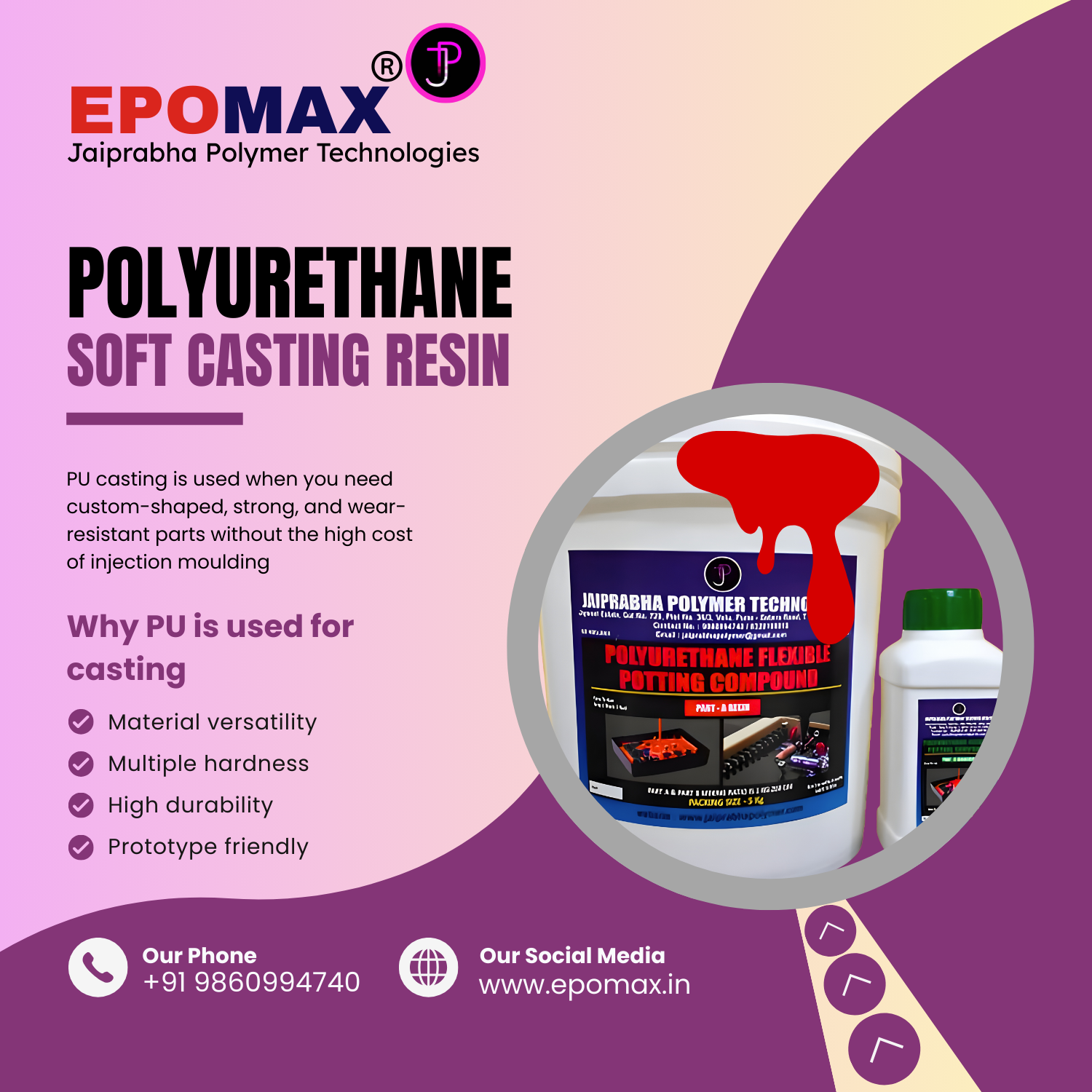
PU Potting Compound: Uses, Benefits and Selection Guide
Polyurethane (PU) potting compound is a two-part material used to fill and protect electronic components and assemblies. Once mixed and cured, it forms a protective layer around components, helping shield them from moisture, dust, vibration and other environmental stresses. Its balance of flexibility, electrical insulation and adhesion makes it useful across a range of industries.
What Is a PU Potting Compound?
PU potting compounds are generally supplied as a resin and a hardener. The two parts are mixed in a specified ratio and poured into an enclosure or around an electronic assembly. The material then cures to form a solid or flexible protective mass.
Formulations vary considerably. Some are soft and elastic, while others cure to a firmer finish. Properties such as viscosity, cure time, hardness, thermal conductivity and resistance to chemicals depend on the product formulation.
Common Applications
PU potting compounds are used where electronic parts need protection or added mechanical support. Typical applications include:
- Power supplies, transformers and inverters
- Sensors and control units
- LED lighting and electrical connectors
- Automotive and transport electronics
- Industrial equipment and renewable energy systems
- Electronic assemblies exposed to vibration or changing weather conditions
Key Benefits
- Moisture protection: A cured compound can help prevent water and humidity from reaching sensitive components. The level of protection depends on the formulation and the quality of the application.
- Flexibility: Many PU compounds remain relatively flexible after curing, which can help absorb vibration and accommodate movement caused by temperature changes.
- Electrical insulation: Suitable grades provide insulation around electrical components. Always check the product’s electrical specifications for the intended use.
- Adhesion: PU compounds can bond to a range of substrates, although surface preparation and compatibility should be checked before production.
- Customisable properties: Products are available with different cure speeds, hardness levels and thermal or chemical resistance.
Choosing the Right Compound
The best PU potting compound depends on the assembly, operating environment and manufacturing process. Before selecting a product, consider:
- Operating conditions: Review the expected temperature range, humidity, vibration and exposure to oils, fuels or cleaning agents.
- Hardness and flexibility: A softer compound may suit delicate components or assemblies subject to movement. A harder grade may offer greater structural support.
- Electrical requirements: Check insulation performance, dielectric strength and any relevant approvals required for the application.
- Thermal management: Standard PU compounds are not necessarily designed to conduct heat. If heat dissipation is important, look for a specifically formulated thermally conductive grade.
- Processing needs: Consider mix ratio, viscosity, working time, cure time, dispensing method and the size or shape of the enclosure.
- Material compatibility: Confirm that the compound is compatible with the enclosure, wires, coatings and components. Testing a representative assembly is recommended.
Mixing and Application
Good results depend on following the product instructions carefully. Measure the resin and hardener using the stated ratio, mix thoroughly and avoid introducing excessive air. If the process allows, degassing can help reduce bubbles. Pour the compound steadily and check that it reaches the areas requiring protection without trapping air around components.
Allow the material to cure under the recommended conditions before handling or testing the assembly. Temperature, humidity, batch size and component geometry can affect the curing process. A small trial run can help identify issues before full-scale production.
Safety and Storage
Read the product label and safety data sheet before use. Wear the recommended protective equipment, provide suitable ventilation and avoid skin or eye contact. Store the components in their original, sealed containers under the conditions specified by the supplier. Uncured material and empty containers should be handled and disposed of according to local requirements.
Conclusion
PU potting compound can provide effective protection and mechanical support for many electronic assemblies. Selecting the right formulation requires matching its properties to the application and confirming compatibility through testing. Careful measurement, mixing and curing are essential for consistent results.
5 Essential Tips for Using PU Potting Compounds
- Choose a PU potting compound suited to your operating temperature and voltage.
- Keep components and surfaces clean and dry before potting.
- Mix the resin and hardener in the specified ratio.
- Pour slowly to reduce trapped air bubbles.
- Follow the product’s curing time and safety instructions.
Choose a PU potting compound suited to your operating temperature and voltage.
Choose a PU potting compound that matches the assembly’s operating temperature range and electrical requirements. Check the product specifications for temperature limits and insulation properties, such as dielectric strength, and make sure they suit the conditions the components will face in service. Selecting the right grade can help maintain protection and reliable performance; when requirements are uncertain, consult the supplier and test the compound with a representative assembly.
Keep components and surfaces clean and dry before potting.
Before applying PU potting compound, make sure all components and surfaces are clean and completely dry. Dust, oil, fingerprints or moisture can weaken adhesion, create air pockets or affect curing, reducing the reliability of the protective seal. Clean surfaces using a suitable method for the materials involved, allow them to dry fully, and avoid touching them before potting. Always follow the compound manufacturer’s preparation instructions.
Mix the resin and hardener in the specified ratio.
Mix the resin and hardener in the ratio specified by the manufacturer. Accurate measurement is essential, as an incorrect ratio can affect curing, strength and the compound’s protective properties. Mix thoroughly, scraping the sides and base of the container, while taking care not to introduce excess air.
Pour slowly to reduce trapped air bubbles.
Pour the PU potting compound slowly and steadily into the enclosure to help minimise trapped air bubbles. A controlled pour gives air more time to escape and can improve coverage around components. Avoid pouring from too great a height or stirring the mixture vigorously, as both can introduce additional air. Follow the product instructions, and use vacuum degassing if recommended for the application.
Follow the product’s curing time and safety instructions.
Always follow the manufacturer’s recommended curing time and safety instructions when using a PU potting compound. Allow the material to cure fully before handling or testing the assembly, as curing conditions can affect its performance. Read the product label and safety data sheet, use the recommended protective equipment, and ensure the work area is properly ventilated.