
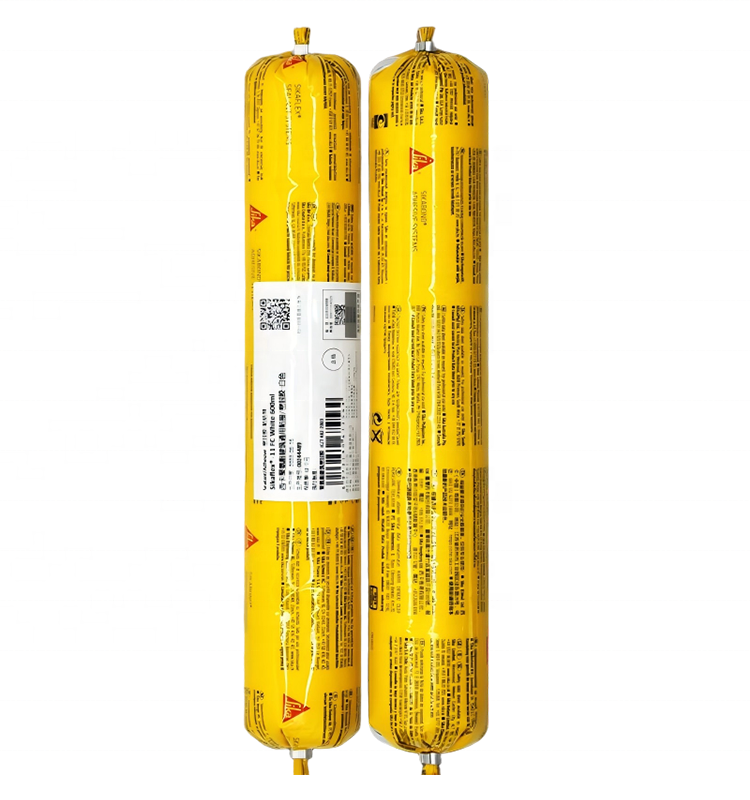
Sikaflex Urethane Sealant: Uses, Benefits and Application Tips
Sikaflex is a range of sealants and adhesives from Sika. Many Sikaflex products are polyurethane-based and are used to seal joints or bond materials in construction, transport and industrial applications. The exact properties and approved uses vary between products, so it is important to choose a formulation suited to the job.
What is a polyurethane sealant?
Polyurethane sealants are flexible materials designed to fill gaps and help prevent the passage of water, air, dust or other contaminants. Once cured, they can accommodate movement in a joint. This flexibility makes them useful where building materials expand, contract or vibrate.
Where is Sikaflex used?
Depending on the specific product, Sikaflex sealants may be suitable for applications such as:
- Sealing joints in buildings and construction projects
- Sealing around windows, doors and façades
- Filling joints in floors, walls and concrete elements
- Sealing or bonding components in vehicles, boats and industrial equipment
Not every product is suitable for every surface or environment. For example, exposure to sunlight, immersion in water, contact with chemicals, or use on particular plastics may require a specific formulation. Always check the product’s technical data sheet and label before use.
Key benefits
When selected and applied correctly, a polyurethane Sikaflex product can provide a durable, flexible seal. Depending on the formulation, it may also offer good adhesion to certain common construction materials and help accommodate joint movement. Some products are designed for sealing, while others are intended primarily for bonding or for specialised applications.
Performance depends on factors such as the substrate, joint design, surface preparation, temperature and curing conditions. A sealant should not be treated as a substitute for correct structural design or suitable waterproofing details.
How to apply Sikaflex sealant
- Choose the right product: Confirm that the product is approved for the intended use, surfaces and exposure conditions.
- Prepare the joint: Remove dust, loose material, oil, grease and old sealant. The surfaces should be clean and prepared as directed by the manufacturer.
- Use backing material where required: A correctly sized backing rod can help control sealant depth and prevent unwanted adhesion to the back of the joint. Follow the product guidance for joint dimensions.
- Apply evenly: Cut the nozzle to suit the joint width and apply the sealant steadily, avoiding air pockets.
- Finish the surface: Tool the sealant within the recommended working time, using the method specified on the product instructions.
- Allow it to cure: Protect the joint from disturbance and moisture exposure as advised. Curing time varies with the product and surrounding conditions.
Safety and storage
Read the label and safety information before use. Wear suitable protective gloves and eye protection, and provide adequate ventilation. Avoid contact with skin and eyes. Store the product as directed, and do not use cartridges that are damaged or beyond their stated shelf life.
Choosing the right Sikaflex product
The Sikaflex name covers a broad range of products, and their applications and performance are not interchangeable. Before buying, check the current Sika product information for compatibility with the substrate, joint movement, indoor or outdoor exposure, paintability and curing requirements. For critical or large-scale work, consult Sika or a qualified building professional.
Used in the right application and installed according to the manufacturer’s instructions, Sikaflex polyurethane sealant can help create flexible, reliable joints across a range of construction and maintenance projects.
7 Essential Tips for Applying Sikaflex Urethane Sealant Correctly
- Check the product label and technical data sheet for the right Sikaflex sealant.
- Make sure surfaces are clean, dry and free of dust, oil and loose material.
- Use a primer only when the product guidance or substrate requires it.
- Apply within the recommended temperature range and avoid damp conditions.
- Cut the nozzle to suit the joint width and apply a steady, continuous bead.
- Tool the sealant promptly with a suitable tool before a skin forms.
- Wear gloves, ventilate the area and allow the sealant to cure fully before use.
Check the product label and technical data sheet for the right Sikaflex sealant.
Before using Sikaflex urethane sealant, check the product label and technical data sheet to confirm that it is suitable for the surface, joint and conditions involved. Sikaflex products can differ in their intended uses, application methods and curing times, so following the manufacturer’s guidance helps ensure a reliable seal and safe application.
Make sure surfaces are clean, dry and free of dust, oil and loose material.
Before applying Sikaflex urethane sealant, ensure the surfaces are clean, dry and free from dust, oil, grease and loose material. Good surface preparation helps the sealant adhere properly and form a durable, reliable seal. Remove any old sealant or residue, and allow damp surfaces to dry fully before application. Always follow the preparation instructions on the product label or technical data sheet, as requirements may vary between Sikaflex products.
Use a primer only when the product guidance or substrate requires it.
Use a primer with Sikaflex urethane sealant only when the product guidance or the substrate requires it. Primers can improve adhesion on certain surfaces, but using one unnecessarily may affect performance or add an avoidable step. Check the product’s technical data sheet for the recommended surface preparation and primer, and follow the instructions for application and drying time.
Apply within the recommended temperature range and avoid damp conditions.
Apply Sikaflex urethane sealant within the temperature range specified on the product label or technical data sheet, as very hot or cold conditions can affect application and curing. Avoid applying it in damp conditions or onto wet surfaces unless the product instructions specifically allow this, because moisture may affect adhesion and the quality of the seal. Check the surface and weather conditions before starting, and allow the sealant to cure as directed.
Cut the nozzle to suit the joint width and apply a steady, continuous bead.
Cut the Sikaflex nozzle to match the width of the joint, taking care not to make the opening too large. Apply the sealant in a steady, continuous bead, keeping the nozzle close to the joint so the product fills it evenly without gaps or air pockets.
Tool the sealant promptly with a suitable tool before a skin forms.
Tool Sikaflex urethane sealant promptly after application, using a suitable tool to press it firmly into the joint and create a smooth, even finish. This should be done before a surface skin forms, as tooling too late can leave marks, reduce adhesion or spoil the seal. Follow the product instructions for the recommended tooling method and timing.
Wear gloves, ventilate the area and allow the sealant to cure fully before use.
When using Sikaflex urethane sealant, wear suitable gloves to help prevent skin contact and keep the area well ventilated during application and curing. Allow the sealant to cure fully, following the product instructions, before exposing it to use, moisture or movement.