
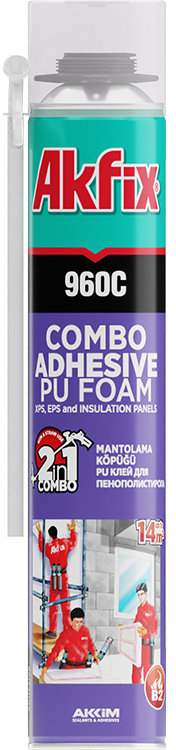
Polyurethane Foam Adhesive: Uses, Benefits and Selection
Polyurethane foam adhesive is used to bond foam materials to one another and to surfaces such as wood, metal, concrete and plastics. It is valued for its strong adhesion, flexibility and ability to perform across a range of temperatures and conditions. The right product depends on the foam type, the materials being joined and the demands of the application.
What is polyurethane foam adhesive?
Polyurethane (PU) foam adhesives are bonding products based on polyurethane chemistry. They are available in different forms, including one-component and two-component systems, as well as products designed for spray, bead or roller application. Some are formulated specifically for flexible foam, while others are intended for rigid insulation boards or sandwich panels.
Depending on the formulation, the adhesive may cure through exposure to moisture, through a chemical reaction between two components, or by another specified curing process. Always follow the product’s technical data sheet for application and curing instructions.
Common applications
- Furniture and bedding: Bonding flexible foam in sofas, mattresses, cushions and seating.
- Building and construction: Fixing insulation boards and bonding foam in wall, roof and floor systems.
- Automotive and transport: Joining foam used in seats, headliners, trim and sound insulation.
- Packaging: Securing protective foam inserts and cushioning materials.
- Appliances and equipment: Bonding insulation and cushioning components in products and enclosures.
Key benefits
PU foam adhesives can form a durable bond while retaining some flexibility, which can help the joint accommodate vibration or movement. Many formulations bond with a range of materials and can provide good resistance to heat, ageing or moisture when fully cured. These properties vary by product, so performance should be checked against the specific application requirements.
Some adhesives are designed for quick handling or application over larger areas, helping support efficient assembly. Others provide a longer open time, which can be useful when components need to be positioned carefully before bonding.
Choosing the right adhesive
Before selecting a product, consider the following:
- Foam type: Flexible and rigid foams may require different formulations. Check that the adhesive is suitable for the foam and will not damage or deform it.
- Substrate materials: Confirm compatibility with both surfaces, particularly when bonding foam to plastics, coated metals or treated materials.
- Application method: Choose a product suited to the available equipment and the required coverage, such as spray, bead or roller application.
- Service conditions: Consider expected temperature, humidity, vibration and exposure to water or chemicals.
- Production requirements: Review open time, curing time, bond strength and any requirements for pressing or clamping.
- Compliance: Check relevant safety, fire-performance and environmental requirements for the finished product and its intended use.
Application guidance
For a reliable bond, surfaces should generally be clean, dry and free from dust, oil and other contaminants. Apply the adhesive evenly as directed by the manufacturer, taking care not to use more than required. Assemble the components within the stated open time and apply pressure or support if specified. Allow the bond to cure fully before testing or putting the item into service.
Testing on a small sample is recommended, especially when working with unfamiliar foam or substrate combinations. This helps confirm adhesion and checks that the adhesive does not cause discolouration, shrinkage or surface damage.
Safe handling and storage
Read the product label and safety data sheet before use. Provide suitable ventilation and use the personal protective equipment specified by the manufacturer. Some polyurethane products contain reactive chemicals, including isocyanates, which require careful handling. Keep products away from heat and ignition sources where applicable, and store them in accordance with the manufacturer’s instructions.
Conclusion
Polyurethane foam adhesive is a versatile solution for bonding foam in furniture, construction, transport, packaging and many other applications. A successful result depends on matching the adhesive to the foam and substrates, preparing surfaces correctly and following the product instructions. Careful selection and safe application help achieve a durable, dependable bond.
5 Essential Tips for Safe and Effective Use of Polyurethane Foam Adhesive
- Wear gloves and eye protection when applying polyurethane foam adhesive.
- Work in a well-ventilated area and avoid breathing the vapour.
- Clean and lightly dampen surfaces if the product label recommends it.
- Apply sparingly, as the foam can expand after application.
- Allow it to cure fully before trimming or loading the joint.
Wear gloves and eye protection when applying polyurethane foam adhesive.
Wear suitable gloves and eye protection when applying polyurethane foam adhesive to help prevent skin and eye contact. Follow the product label and safety data sheet for the recommended protective equipment, and work in a well-ventilated area where specified. If adhesive gets on the skin or in the eyes, follow the manufacturer’s first-aid instructions and seek medical advice if needed.
Work in a well-ventilated area and avoid breathing the vapour.
Work with polyurethane foam adhesive in a well-ventilated area to help disperse vapours, and avoid breathing them in. Follow the product label and safety data sheet, and use the recommended personal protective equipment. If adequate ventilation cannot be ensured, do not proceed until suitable controls are in place.
Clean and lightly dampen surfaces if the product label recommends it.
Before applying polyurethane foam adhesive, ensure that the bonding surfaces are clean and free from dust, oil and loose particles. Lightly dampen them only if the product label recommends it, as moisture can support curing for some formulations but may affect the bond if used incorrectly. Follow the manufacturer’s instructions for surface preparation and avoid soaking the materials.
Apply sparingly, as the foam can expand after application.
Apply polyurethane foam adhesive sparingly, as it may expand as it cures. Using too much can cause excess foam to squeeze out, affect the fit of components or create a messy finish. Follow the product instructions and test the application on a small area where appropriate.
Allow it to cure fully before trimming or loading the joint.
Allow the polyurethane foam adhesive to cure fully before trimming the excess or putting the joint under load. Handling it too soon can weaken the bond or cause the joined surfaces to shift. Follow the manufacturer’s recommended curing time, as it can vary with the product, temperature, humidity and application thickness.