
Resin TPU: Properties, Applications and How to Choose the Right Grade
Thermoplastic polyurethane (TPU) resin is a versatile engineering material that combines the flexibility of rubber with the processability of thermoplastics. It is used in products that need a balance of elasticity, toughness and resistance to wear. Depending on its formulation and grade, TPU can range from soft and flexible to firm and highly abrasion-resistant.
What Is TPU Resin?
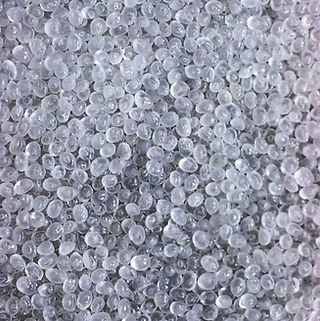
TPU is a thermoplastic elastomer made by combining polyurethane chemistry with a structure that can be processed using heat. Unlike many conventional rubber materials, TPU can generally be melted and shaped using suitable thermoplastic processing equipment. It is commonly supplied as pellets, which are dried and processed into finished components.
TPU grades are often described as polyester-based or polyether-based. The choice affects performance, so the grade should be matched to the product’s environment and requirements.
- Polyester-based TPU: Often selected for its mechanical strength, abrasion resistance and resistance to oils and greases.
- Polyether-based TPU: Often considered for applications requiring flexibility at lower temperatures or improved resistance to moisture-related degradation.
These are general tendencies rather than guarantees. Performance varies by grade, formulation, processing conditions and service environment.
Key Properties of TPU
TPU resin is available in a wide range of hardness levels and formulations. Common properties include:
- Elasticity: Many grades can flex and recover their shape after deformation.
- Abrasion resistance: TPU is often used where repeated rubbing or surface wear is expected.
- Toughness: Suitable grades can withstand impact and repeated handling.
- Flexibility: The material can be formulated for soft, flexible products as well as firmer components.
- Oil and chemical resistance: Resistance depends on the specific TPU grade and the chemicals involved.
- Processability: TPU can be processed using methods such as injection moulding, extrusion and blow moulding, subject to grade and equipment requirements.
Not every TPU grade has all these properties to the same degree. Product specifications should be checked against the conditions the finished component will face.
Common Applications
The combination of flexibility and durability makes TPU useful across a range of industries. Applications include:
- Footwear soles, components and flexible films
- Automotive hoses, seals, protective parts and interior components
- Cables, wire insulation and cable jackets
- Industrial belts, rollers and abrasion-resistant parts
- Mobile phone cases and other consumer-product components
- Medical and healthcare products, where the selected grade meets the relevant requirements
- Sports equipment, inflatable products and flexible tubing
- Protective films and coatings
How TPU Resin Is Processed
TPU pellets are commonly processed by injection moulding or extrusion. Some grades may also be suitable for blow moulding or other methods. Processing recommendations differ by product, so manufacturers should follow the resin supplier’s technical data sheet.
Moisture control is particularly important. TPU can absorb moisture from the air, and excessive moisture during processing may cause defects or reduce the quality of the finished part. Drying requirements, temperature settings, residence time and storage conditions should all be established for the specific grade and machinery being used.
How to Choose a TPU Grade
Choosing a resin involves more than selecting a general material type. Consider the following factors before specifying TPU:
- Required hardness and flexibility: Identify how soft, firm or elastic the finished product needs to be.
- Service environment: Consider temperature, moisture, UV exposure, oils, chemicals and outdoor use.
- Mechanical demands: Assess abrasion, impact, tensile strength, tear resistance and repeated flexing.
- Processing method: Confirm that the grade is suitable for the intended equipment and production process.
- Regulatory requirements: For medical, food-contact, electrical or other regulated uses, check the applicable approvals and documentation for the exact grade.
- Colour and appearance: Confirm requirements for transparency, colour matching, surface finish and resistance to discolouration.
- Cost and supply: Compare the full cost of material, processing, tooling and expected product life—not just the price per kilogram.
TPU Compared with Other Materials
TPU is sometimes considered alongside PVC, rubber and other thermoplastic elastomers. Compared with rigid plastics, TPU is generally more flexible and elastic. Compared with conventional rubber, thermoplastic processing can offer advantages in production and material handling. However, the best choice depends on the product’s performance requirements, manufacturing process, operating conditions and cost targets.
Handling and Sustainability Considerations
Follow the supplier’s guidance for storing, drying and processing TPU resin. Appropriate ventilation, machine settings and workplace safety procedures should be used during manufacturing. Finished-product requirements may also call for testing of chemical compatibility, durability or regulatory compliance.
Some TPU products can be reprocessed under suitable conditions, but recyclability depends on the grade, product design, additives, contamination and available collection and recycling systems. Material selection and end-of-life planning should therefore be considered together.
Conclusion
TPU resin is a flexible and durable material option for products that need elasticity, wear resistance and thermoplastic processability. Its performance varies substantially across grades, so selecting the right resin requires a clear understanding of the application, service environment and manufacturing process. Reviewing technical data and consulting the resin supplier can help ensure that the chosen grade is suitable for the finished product.
9 Essential Tips for Handling, Storing and Processing TPU Resin
- Dry TPU resin before processing to prevent bubbles.
- Store TPU resin in a sealed, moisture-proof pack.
- Use the grade recommended for your application.
- Check the datasheet for processing temperatures.
- Avoid overheating, which can degrade TPU.
- Use proper ventilation when heating or processing.
- Wear gloves and safety glasses while handling resin.
- Test a small batch before full-scale production.
- Keep TPU away from direct sunlight and heat.
Dry TPU resin before processing to prevent bubbles.
Dry TPU resin before processing to help prevent bubbles and other moisture-related defects in the finished product. TPU can absorb moisture from the air, so follow the resin supplier’s recommended drying temperature and time, and keep the material stored in a sealed, dry container until it is ready to use.
Store TPU resin in a sealed, moisture-proof pack.
Store TPU resin in a sealed, moisture-proof pack to protect it from absorbing moisture from the air. Keeping the resin dry helps maintain its processing quality and reduces the risk of defects during manufacturing. Once opened, reseal the pack promptly and follow the supplier’s storage and drying recommendations before use.
Use the grade recommended for your application.
Use the TPU grade recommended for your application, as grades can differ in hardness, flexibility, abrasion resistance and performance in heat, moisture or chemicals. Check the supplier’s technical data sheet against your product’s requirements and processing method. Choosing a suitable grade can help ensure reliable performance and avoid issues during manufacturing or use.
Check the datasheet for processing temperatures.
Always check the resin TPU manufacturer’s datasheet for the recommended processing temperatures before production. The correct temperature range can vary by grade and processing method, and following the guidance helps achieve consistent results while reducing the risk of defects or material degradation.
Avoid overheating, which can degrade TPU.
Avoid overheating TPU resin during processing, as excessive temperatures can cause the material to degrade, leading to discolouration, unpleasant odours or reduced performance in the finished product. Follow the resin supplier’s recommended temperature range, monitor processing conditions and avoid leaving the material in the machine for longer than necessary.
Use proper ventilation when heating or processing.
Ensure the work area is properly ventilated when heating or processing TPU resin. Heat and processing conditions may release fumes, so use suitable local exhaust ventilation where possible and follow the resin supplier’s safety data sheet and handling instructions. Good ventilation helps maintain a safer working environment for everyone nearby.
Wear gloves and safety glasses while handling resin.
Wear suitable gloves and safety glasses when handling TPU resin to help protect your skin and eyes from contact with the material, dust or splashes. Follow the product’s safety data sheet for the recommended protective equipment and handling procedures, and wash your hands after use.
Test a small batch before full-scale production.
Before beginning full-scale production, test a small batch of TPU resin using the intended equipment and processing conditions. This trial can help identify issues such as moisture, inconsistent flow, surface defects or difficulty achieving the required flexibility and strength. Review the finished parts against your quality requirements and adjust the drying and processing settings where needed. A small-batch test can reduce material waste and help prevent costly production problems.
Keep TPU away from direct sunlight and heat.
Store TPU resin in a cool, dry place, away from direct sunlight and heat sources. Prolonged exposure to UV rays or high temperatures can affect the material’s properties and may cause discolouration or deterioration. Keep the resin in its original, sealed packaging where possible, and follow the supplier’s storage recommendations to help maintain its quality.