
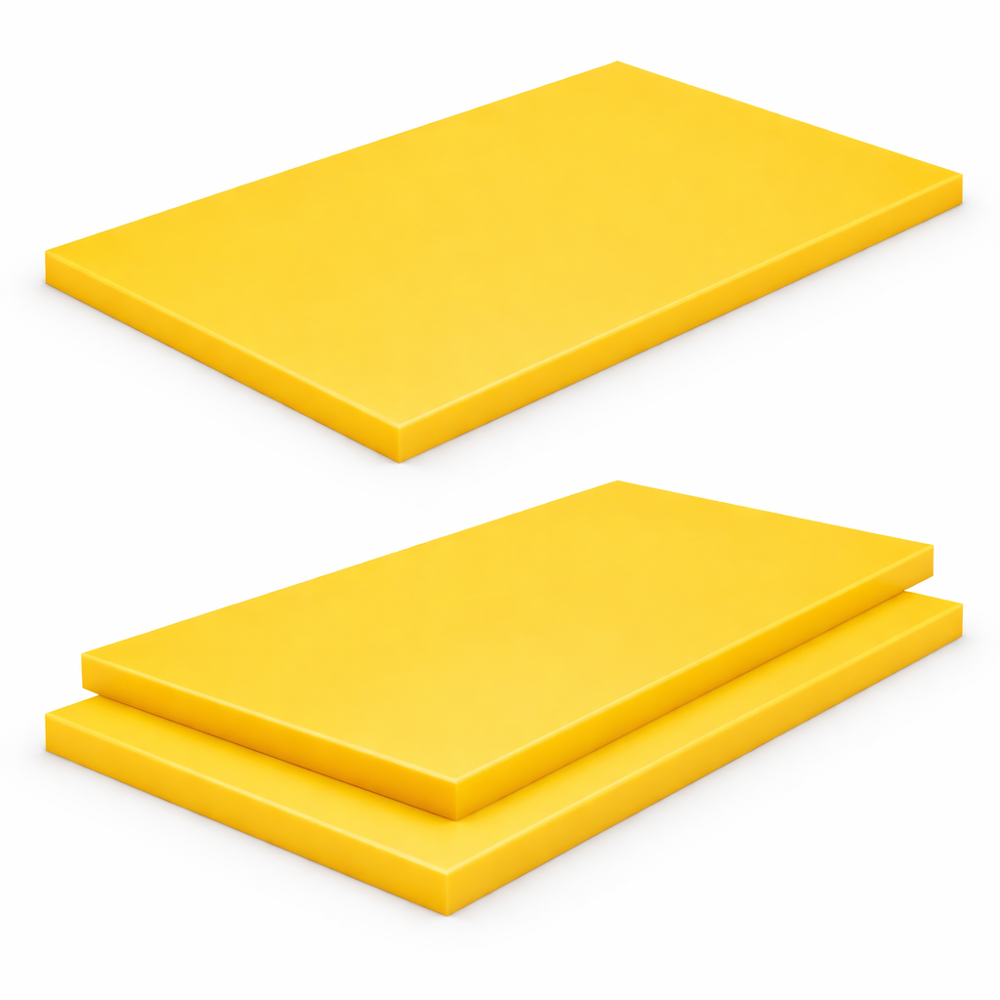
PU Sheet Uses: A Practical Guide to Polyurethane Sheets
Polyurethane sheets, commonly called PU sheets, are versatile materials used in industries that need a balance of flexibility, toughness and wear resistance. They are available in different grades, thicknesses and hardness levels, so the right sheet can be selected for applications ranging from protective linings to custom-fabricated components.
What Is a PU Sheet?
A PU sheet is made from polyurethane, a material whose properties can be adjusted during manufacture. Depending on its formulation, it may be soft and flexible or firm and resilient. Many PU sheets are valued for their resistance to abrasion, impact and repeated flexing. Their resistance to oils, chemicals, heat and weather can vary, so the product specification should be checked before use.
Common Uses of PU Sheets
Wear and abrasion-resistant linings
PU sheets are often used to line surfaces exposed to rubbing, scraping or repeated movement. They may be fitted to chutes, hoppers, bins and material-handling equipment to help protect the underlying surface and manage wear. The appropriate grade depends on the material being handled and the operating conditions.
Conveyor and material-handling equipment
In conveyor systems, PU sheet can be cut or fabricated into wear strips, skirting, guides and protective panels. Its resilience can make it useful where components are exposed to regular contact or impact. Sheet thickness and hardness should be chosen to suit the conveyor design and load.
Gaskets, seals and washers
PU sheets can be cut into gaskets, washers, seals and other custom shapes. These components may be used where flexibility and resistance to wear are important. Sealing performance depends on the sheet’s hardness, thickness, design and compatibility with the fluid or environment involved.
Impact and surface protection
PU sheets can serve as protective pads or liners on equipment, work surfaces and components that experience knocks or repeated contact. They may help reduce surface damage and absorb some impact, depending on the grade and installation.
Machine components and fabricated parts
Manufacturers and workshops can cut, machine or otherwise fabricate suitable PU sheet grades into custom parts. Examples include buffers, scrapers, guides and wear pads. Fabrication methods and tolerances should be confirmed with the supplier, as they vary by polyurethane type and product design.
Anti-vibration applications
Some PU sheets are used as pads or support layers to help manage vibration and noise between equipment and its mounting surface. The result depends on the sheet’s density, thickness, hardness and the load placed on it.
Benefits of Using PU Sheets
- Wear resistance: Many grades perform well in applications involving friction and repeated contact.
- Resilience: Polyurethane can flex under load and recover its shape, depending on the formulation.
- Choice of hardness: Different grades are available for applications that require either flexibility or firmness.
- Fabrication potential: Sheets can often be cut into shapes suited to a particular machine or installation.
- Versatility: PU sheets are used across manufacturing, material handling, engineering and maintenance.
How to Choose the Right PU Sheet
Before selecting a PU sheet, consider the operating conditions and the job it needs to perform. Important factors include:
- Required thickness, dimensions and hardness
- Type and level of abrasion, impact or repeated flexing
- Operating temperature and exposure to sunlight or weather
- Contact with oils, chemicals, water or other substances
- Load, pressure and expected service life
- Whether the sheet needs to be cut, drilled, bonded or otherwise fabricated
Properties can differ significantly between PU grades. Check the supplier’s technical data and confirm that the material is suitable for the intended conditions. For food-contact, medical or other regulated applications, use only products with the relevant certification and approval.
Conclusion
PU sheets are used in many applications where a durable, resilient and adaptable material is required. Common uses include equipment linings, conveyor components, seals, protective pads and custom-fabricated parts. Selecting the correct grade—and checking its specifications against the working environment—helps ensure that the sheet performs as intended.
9 Practical Tips for Using PU Sheets Across Industries
- Use PU sheets for cushioning in furniture and mattresses.
- Choose PU sheets for thermal insulation in appliances.
- Use them as seals and gaskets to reduce leakage.
- Add PU sheets to machinery for noise and vibration control.
- Use them as protective linings in industrial equipment.
- Choose suitable grades for footwear soles and insoles.
- Use PU sheets in automotive seats and interior parts.
- Cut them into protective inserts for packaging.
- Check thickness, hardness and grade before buying.
Use PU sheets for cushioning in furniture and mattresses.
PU sheets can be used as cushioning in furniture and mattresses, where their flexibility and resilience help provide comfort and support. Depending on the grade and thickness, they can be incorporated into seat cushions, backrests, mattress layers and protective padding. Choose a PU sheet suited to the intended firmness, expected load and level of use, and check the product specifications for durability and ventilation.
Choose PU sheets for thermal insulation in appliances.
Choose PU sheets for thermal insulation in appliances, as polyurethane can help reduce heat transfer and support energy efficiency. Select a grade with suitable thickness and thermal performance for the appliance’s operating temperatures, and check that it meets applicable fire-safety and regulatory requirements.
Use them as seals and gaskets to reduce leakage.
PU sheets can be cut into seals and gaskets to help reduce leakage between joined surfaces. Their flexibility allows them to fit different shapes and provide a close seal when correctly sized and installed. Choose a PU grade that is compatible with the fluid, temperature and pressure involved, and check the manufacturer’s specifications before use.
Add PU sheets to machinery for noise and vibration control.
Add PU sheets to machinery as pads, liners or mounting layers to help reduce noise and vibration during operation. Their resilient, shock-absorbing properties can help limit the transmission of vibration between equipment and supporting surfaces, while also protecting components from repeated impact. Choose a sheet with the right thickness and hardness for the machine’s load and operating conditions, and check that the PU grade is suitable for the environment.
Use them as protective linings in industrial equipment.
PU sheets can be used as protective linings inside industrial equipment such as chutes, hoppers and bins. Their wear-resistant, resilient surface helps protect the equipment from abrasion and repeated impact when materials pass through. Choose a suitable PU grade and thickness based on the material handled, operating conditions and expected level of wear.
Choose suitable grades for footwear soles and insoles.
Choose a PU sheet grade that suits the footwear application: soles generally need good abrasion resistance, grip and durability, while insoles may benefit from cushioning, flexibility and comfort. Consider the expected use, wearer’s needs and manufacturing process, and check the supplier’s specifications before selecting a grade.
Use PU sheets in automotive seats and interior parts.
PU sheets can be used in automotive seats and interior components where cushioning, flexibility and durability are required. Depending on the grade, they may help provide comfort in seat padding and support in parts such as armrests, headrests and door panels. Choose a sheet that meets the vehicle’s requirements for fit, temperature performance, wear and relevant safety standards.
Cut them into protective inserts for packaging.
PU sheets can be cut into protective inserts for packaging items that need extra cushioning during storage or transit. Their flexibility and impact-absorbing properties can help hold products securely in place and reduce the risk of scratches, knocks or movement inside a box. Choose a suitable thickness and grade for the item’s weight and shape, and make sure the insert fits snugly without putting pressure on delicate parts.
Check thickness, hardness and grade before buying.
Before buying a PU sheet, check its thickness, hardness and grade to ensure it suits the intended application. The right thickness can provide the required support and wear life, while hardness affects flexibility and impact resistance. Grades may differ in their resistance to abrasion, oils, chemicals, heat and weather, so review the product specifications and confirm compatibility with the operating conditions.