
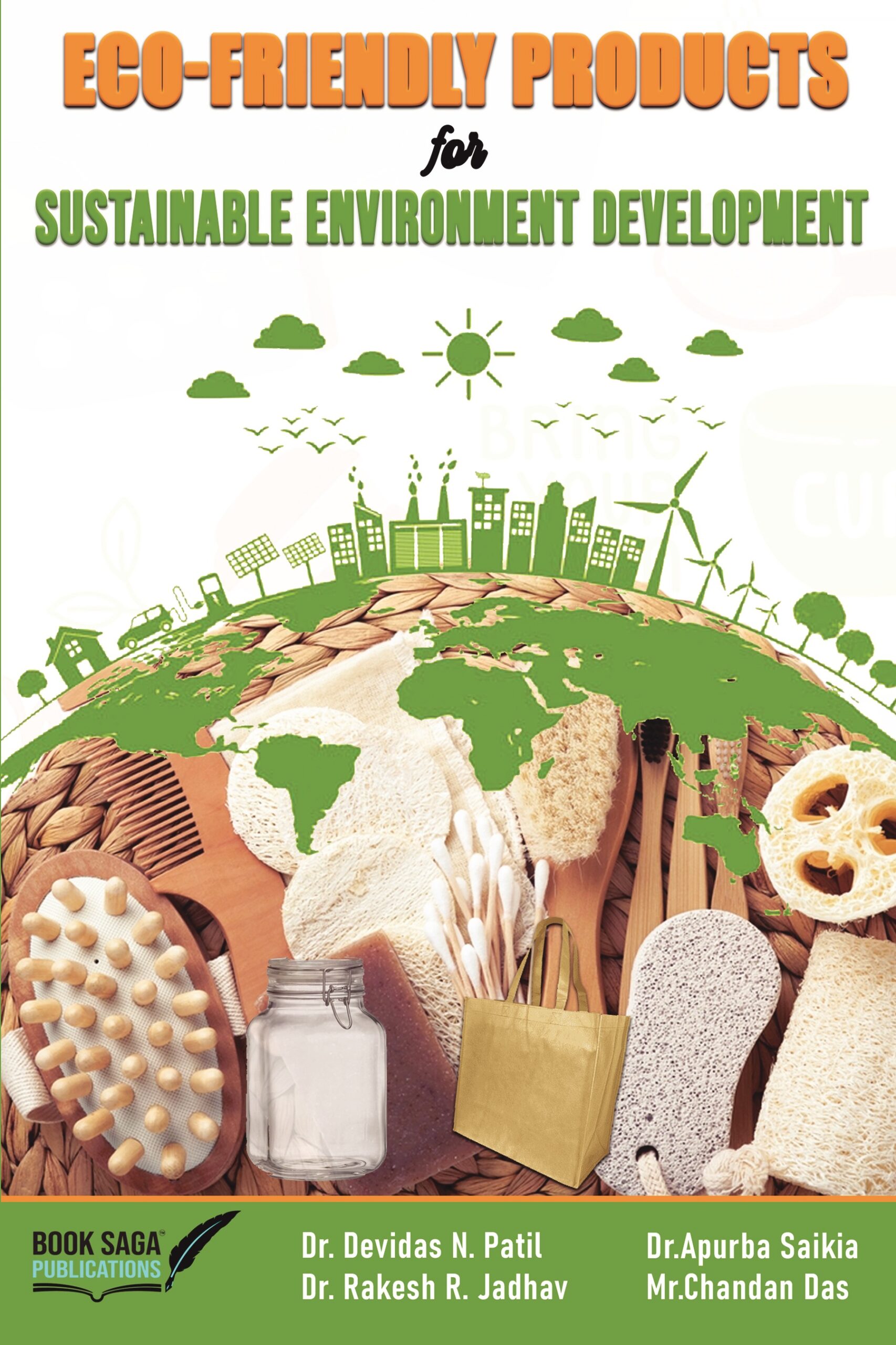
Eco-Friendly Living: Small Choices, Lasting Change
Being eco-friendly means making choices that reduce harm to the environment and use natural resources responsibly. It does not require a complete lifestyle change overnight. Everyday decisions—such as how we travel, shop, use energy and manage waste—can add up to make a meaningful difference.
What Does “Eco-Friendly” Mean?
Products, services and practices are often described as eco-friendly when they are designed to reduce pollution, waste or resource use. This may include using less packaging, choosing reusable materials, saving water or improving energy efficiency. The term is broad, so it is useful to look beyond labels and consider a product’s full life cycle: how it is made, transported, used and disposed of.
Practical Ways to Be More Eco-Friendly
- Reduce and reuse: Choose durable items, carry a reusable water bottle and shopping bag, and repair belongings where practical.
- Make thoughtful purchases: Buy only what is needed, consider local products and select goods with minimal packaging.
- Save energy: Switch off lights and appliances when they are not in use, use energy-efficient lighting and make the most of natural light and ventilation.
- Use water carefully: Fix leaking taps, avoid leaving water running and consider simple ways to reuse water where appropriate.
- Travel mindfully: Walk, cycle, use public transport or share journeys when possible. These options can reduce fuel use and traffic congestion.
- Manage waste responsibly: Separate wet and dry waste, compost suitable kitchen scraps and follow local guidance for recycling and disposal.
- Choose more plant-based meals: Including more vegetables, pulses and seasonal foods can be one way to make everyday eating more resource-conscious.
Look Beyond the Label
Words such as “green”, “natural” and “eco-friendly” are not always backed by clear evidence. Before choosing a product, check its materials, packaging, durability and disposal instructions. Reusable products are most helpful when they are used repeatedly, while recycling works best when materials are clean and accepted by local facilities.
It is also important to avoid wasteful replacements. A working appliance, garment or household item may be a better choice to keep and maintain than to replace simply because a newer version is advertised as greener.
A Collective Effort
Individual actions matter, but lasting environmental progress also depends on businesses, communities and public institutions. Better public transport, accessible recycling systems, responsible product design and efficient buildings can make sustainable choices easier for everyone.
Eco-friendly living is not about being perfect. It is about making informed choices, using resources thoughtfully and improving habits over time. Start with one practical change, make it part of your routine and build from there.
6 Benefits of an Eco-Friendly Lifestyle
- Reduces pollution and waste.
- Conserves water and energy.
- Protects wildlife and natural habitats.
- Encourages healthier living.
- Supports sustainable businesses.
- Helps preserve resources for future generations.
6 Drawbacks of Eco-Friendly Products and Practices
- Eco-friendly products can cost more.
- Some options are not widely available.
- Reusable items need regular cleaning.
- Recycling rules vary by location.
- Green claims can be misleading.
- Some alternatives may be less convenient.
Reduces pollution and waste.
Eco-friendly choices help reduce pollution and waste by using fewer disposable materials, conserving resources and encouraging reuse and recycling. Choosing reusable bags, bottles and containers, for example, can limit the amount of rubbish sent to landfill and reduce litter. Using energy and water more efficiently can also lower pollution linked to resource production and consumption, helping keep the air, soil and waterways cleaner.
Conserves water and energy.
Eco-friendly practices help conserve water and energy by reducing unnecessary use in homes, workplaces and industries. Simple steps such as fixing leaking taps, switching off lights and appliances when not in use, and choosing water- and energy-efficient products can lower resource consumption. These habits also help reduce utility costs and lessen pressure on natural resources.
Protects wildlife and natural habitats.
Eco-friendly practices help protect wildlife and natural habitats by reducing pollution, limiting waste and using natural resources responsibly. Choosing sustainable products and avoiding harmful chemicals can help keep rivers, forests and soil healthier, while protecting the places animals and plants depend on. Over time, these choices support biodiversity and help preserve natural ecosystems for future generations.
Encourages healthier living.
Eco-friendly choices can encourage healthier living by promoting cleaner air, safer products and more active daily routines. Walking, cycling or using public transport can add movement to the day, while choosing fresh, seasonal foods and reducing reliance on heavily packaged products may support more mindful eating. Using fewer harsh chemicals at home and spending time in green spaces can also contribute to a more comfortable living environment. Small, thoughtful choices can benefit both personal well-being and the planet.
Supports sustainable businesses.
Choosing eco-friendly products and services can support sustainable businesses that use resources responsibly, reduce waste and follow ethical practices. When people favour these businesses, they help create demand for more environmentally conscious goods and encourage other companies to adopt greener methods. This can contribute to a more responsible economy while supporting businesses that care about their impact on people and the planet.
Helps preserve resources for future generations.
Eco-friendly choices help conserve essential resources such as water, energy, forests and raw materials. By reducing waste, reusing products and choosing resources responsibly, we can lessen pressure on the natural environment and help ensure that future generations have access to what they need.
Eco-friendly products can cost more.
One common drawback of eco-friendly products is that they can cost more than conventional alternatives. Sustainable materials, responsible manufacturing and smaller production runs may increase the price, which can make these products difficult to afford for some households. However, comparing durability, repairability and long-term running costs can help shoppers decide whether the higher upfront price offers value over time.
Some options are not widely available.
Some eco-friendly options are not widely available, particularly in smaller towns and rural areas. Sustainable products, refill stations and reliable recycling facilities may be difficult to find, while limited public transport can make low-emission travel less practical. This lack of access can leave people with fewer choices, even when they are willing to adopt more environmentally responsible habits.
Reusable items need regular cleaning.
Reusable items such as water bottles, lunch boxes and cloth bags need regular cleaning to keep them hygienic and prevent odours or the build-up of bacteria. This takes time and uses water, and some items may require careful washing or drying. If cleaning is neglected, reusables can become unhygienic, so their environmental benefits come with an added responsibility for regular care.
Recycling rules vary by location.
Recycling rules vary by location, which can make it difficult to know what belongs in each bin. Items accepted in one city or neighbourhood may not be recyclable elsewhere, and incorrect sorting can contaminate entire batches of recyclable material. Checking local council guidelines is therefore important, but the changing rules can make recycling confusing and time-consuming.
Green claims can be misleading.
Green claims can sometimes be misleading, making it difficult for consumers to know whether a product is genuinely eco-friendly. Terms such as “natural”, “green” or “sustainable” may be used without clear evidence or recognised standards, while important details about manufacturing, packaging or disposal are left out. This practice, often called greenwashing, can influence people to pay more for products that offer little environmental benefit. Checking for specific, verifiable information and trusted certifications can help consumers make more informed choices.
Some alternatives may be less convenient.
Some eco-friendly alternatives may be less convenient than familiar options. Reusable bags and containers, for example, need to be carried, cleaned and remembered, while public transport may take longer or involve additional planning. Composting and waste segregation can also require extra effort, especially where local facilities are limited. These small adjustments may feel inconvenient at first, but choosing practical options that fit everyday routines can make them easier to maintain.