
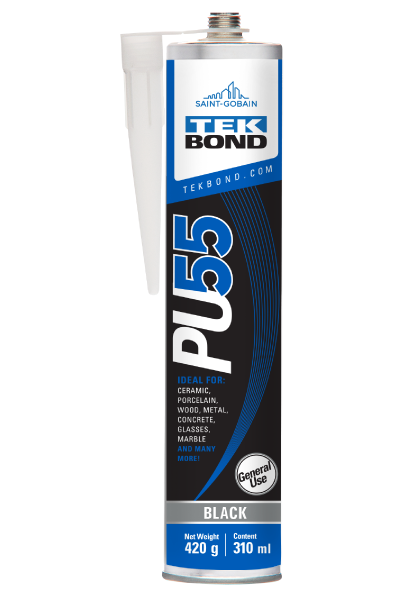
Polyurethane (PU) Sealant: Uses, Benefits and Application
Polyurethane (PU) sealant is a flexible material used to seal joints, gaps and cracks in buildings, vehicles and industrial products. It adheres to many common surfaces and can accommodate movement caused by vibration, temperature changes and structural settling. These qualities make PU sealants a popular choice for applications that require a durable, elastic seal.
What Is PU Sealant?
PU sealant is made from polyurethane polymers. It is generally supplied in cartridges, sausages or bulk containers and applied with a suitable sealant gun or dispensing equipment. Depending on the product, it may cure by reacting with moisture in the air or through another specified curing process. Once cured, it forms a resilient seal.
PU sealants are available in different formulations. Some are designed for construction joints, while others are developed for automotive, marine or industrial use. Product performance varies, so it is important to check the manufacturer’s technical data sheet before choosing a sealant.
Common Applications
- Construction: Sealing expansion joints, concrete joints, façades, floors, window and door frames, and gaps around building components.
- Automotive: Sealing selected body joints, panels and components, where a product specifically approved for the application is used.
- Industrial manufacturing: Sealing or bonding components in machinery, equipment and manufactured products.
- Transport and marine: Sealing joints in vehicles, containers and boats, subject to the product’s suitability for the environment.
Key Benefits
- Flexibility: Helps accommodate movement in joints without losing the seal, when correctly selected and applied.
- Adhesion: Many formulations bond well to materials such as concrete, masonry, metal, timber and certain plastics. Compatibility should always be confirmed.
- Durability: Provides a long-lasting seal in suitable conditions and with proper surface preparation.
- Resistance to weather: Some PU sealants are designed to withstand outdoor exposure. UV resistance differs between products.
- Paintability: Certain products can be painted after curing. Check the product instructions and test paint compatibility first.
How to Choose the Right PU Sealant
Consider the location and purpose of the joint before selecting a product. Check the expected joint movement, the materials being joined, exposure to water or sunlight, operating temperature and whether the sealant will be painted. Also confirm the required curing time and whether a primer is needed.
For areas exposed to drinking water, food, chemicals or continuous immersion, use only a sealant specifically approved for that service. A general-purpose PU sealant may not be suitable.
Application Tips
- Prepare the surface: Remove dust, oil, loose material and old sealant. Surfaces should be clean and prepared as directed by the manufacturer.
- Use backing material where needed: A suitable backer rod can help control sealant depth and prevent the sealant from bonding to the bottom of a joint.
- Apply evenly: Cut the cartridge nozzle to the required size and apply a consistent bead, ensuring contact with the joint sides.
- Tool the sealant: Smooth the bead within the product’s tooling time, using the recommended method.
- Allow it to cure: Protect the joint from disturbance, moisture or other conditions specified on the product label until curing is complete.
Safety and Storage
Read the label and safety data sheet before use. Work in a well-ventilated area and wear the protective equipment recommended by the manufacturer. Avoid contact with skin and eyes. Store unopened containers as directed, and do not use material that is past its shelf life or has been stored incorrectly.
Conclusion
PU sealant is a versatile option for sealing many moving or exposed joints in construction, automotive and industrial applications. Its performance depends on choosing the right formulation and preparing and applying it correctly. Always follow the manufacturer’s instructions and confirm that the product is suitable for the specific substrate and service conditions.
9 Key Benefits of Polyurethane (PU) Sealant for Construction and Industrial Applications
- Flexible and accommodates joint movement
- Adheres to many common materials
- Creates a durable seal
- Helps resist water ingress
- Suitable for indoor and outdoor use, depending on the product
- Handles vibration in suitable applications
- Available in multiple formulations
- Some types can be painted after curing
- Useful across construction and industrial applications
4 Drawbacks of Polyurethane (PU) Sealants
- Can be sensitive to moisture during application and curing.
- May require careful surface preparation and primer.
- Some formulations have limited UV resistance.
- Removal of cured sealant can be difficult.
Flexible and accommodates joint movement
One of the key advantages of polyurethane (PU) sealant is its flexibility. Once cured, it forms an elastic seal that can accommodate movement in joints caused by temperature changes, vibration or minor structural shifts. This helps maintain a reliable seal and reduces the risk of cracking or separation, making PU sealant useful for applications where some joint movement is expected.
Adheres to many common materials
Polyurethane (PU) sealant adheres to many common materials, including concrete, masonry, metal, timber and some plastics, making it a versatile choice for a range of sealing jobs. Its strong bond helps create a reliable seal between different surfaces, provided they are clean, properly prepared and compatible with the product. As adhesion can vary between formulations and materials, check the manufacturer’s instructions and use a primer if recommended.
Creates a durable seal
Polyurethane (PU) sealant creates a durable seal that can withstand everyday movement, vibration and changing weather conditions. Once cured, it forms a resilient barrier that helps keep out water, dust and air, making it suitable for a range of construction, automotive and industrial applications. For the best performance, choose a product designed for the intended surface and conditions, and apply it according to the manufacturer’s instructions.
Helps resist water ingress
Polyurethane (PU) sealant helps resist water ingress by forming a flexible, continuous barrier across joints and gaps. When applied to clean, suitable surfaces and allowed to cure properly, it can help prevent rainwater and moisture from passing through areas such as façade joints, window frames and concrete gaps. For the best results, choose a product designed for the exposure conditions and follow the manufacturer’s application instructions.
Suitable for indoor and outdoor use, depending on the product
Polyurethane (PU) sealant can be suitable for both indoor and outdoor applications, depending on the product formulation. Indoors, it can seal joints around floors, windows and building components, while products designed for exterior use may withstand weather exposure and temperature changes. Always check the manufacturer’s instructions to confirm that the sealant is appropriate for the location, surfaces and conditions.
Handles vibration in suitable applications
Polyurethane (PU) sealant can help maintain a reliable seal in suitable applications where vibration or movement occurs. Its flexible, elastic nature allows it to accommodate small shifts between joined surfaces, reducing the risk of the seal cracking or separating. For best results, choose a product designed for the materials and conditions involved, and follow the manufacturer’s application instructions.
Available in multiple formulations
Polyurethane (PU) sealants are available in multiple formulations to suit different applications and conditions. Options can vary in flexibility, curing time, adhesion, colour and resistance to weather or chemicals, making it easier to choose a product for a specific job, such as sealing building joints, vehicle components or industrial equipment. Always check the product specifications to ensure the formulation is suitable for the surfaces and conditions involved.
Some types can be painted after curing
Some types of polyurethane (PU) sealant can be painted once fully cured, helping the sealed joint blend neatly with surrounding walls, ceilings or other surfaces. This is useful in finishing work where appearance matters, as the sealant can be matched to the chosen paint colour. Always check the product instructions for curing time and paint compatibility, and test on a small area before painting the entire joint.
Useful across construction and industrial applications
Polyurethane (PU) sealant is useful across a wide range of construction and industrial applications because it can form a flexible, durable seal on many commonly used materials. In construction, it is used for joints in concrete, façades, floors, windows and doors, while industrial applications may include sealing machinery, equipment and manufactured components. Its ability to accommodate movement and vibration makes it a practical choice where joints need to remain sealed under changing conditions. Always select a product suited to the materials and environment involved.
Can be sensitive to moisture during application and curing.
One limitation of polyurethane (PU) sealant is its sensitivity to moisture during application and curing. Excess moisture on the surface or exposure to rain before the sealant has formed a stable skin may affect adhesion, appearance or curing performance. Conditions that are too dry can also slow the curing of some moisture-cured formulations. For best results, apply the sealant within the temperature and humidity range stated by the manufacturer, ensure surfaces are prepared as directed, and protect the joint from unsuitable weather while it cures.
May require careful surface preparation and primer.
Polyurethane (PU) sealant may require careful surface preparation and, in some cases, a primer to achieve a reliable bond. Dust, oil, moisture, rust or loose material can reduce adhesion and may lead to the sealant peeling or failing over time. Preparing the surface and applying primer where specified adds time and effort to the job, so always follow the manufacturer’s instructions for the particular materials and conditions.
Some formulations have limited UV resistance.
Some polyurethane (PU) sealant formulations have limited resistance to ultraviolet (UV) rays. Prolonged exposure to direct sunlight can cause the sealant to discolour, chalk, harden or lose flexibility over time, potentially affecting its appearance and performance. For outdoor applications, check the product’s UV-resistance rating and consider a UV-resistant formulation or a suitable protective coating.
Removal of cured sealant can be difficult.
One drawback of polyurethane (PU) sealant is that removing it after it has cured can be difficult. Its strong adhesion and durable, elastic finish make scraping and cleaning time-consuming, particularly on porous surfaces such as concrete or timber. Careful application can help reduce excess sealant, while removal should be carried out using suitable tools and following the product manufacturer’s guidance to avoid damaging the surface.