
PU Foam Cutting: Methods, Applications and Best Practices
Polyurethane (PU) foam is used in products ranging from furniture and mattresses to automotive interiors, insulation and packaging. Cutting it accurately is essential for achieving the required shape, size and finish. The right method depends on the foam’s type, density, thickness and intended application.
What Is PU Foam?
PU foam is a versatile material made in flexible and rigid forms. Flexible PU foam is commonly used in cushions, mattresses and seating, while rigid PU foam is often used for thermal insulation and protective packaging. Each type responds differently to cutting, so the process should be selected to suit the material and the required level of precision.
Common PU Foam Cutting Methods
Manual cutting
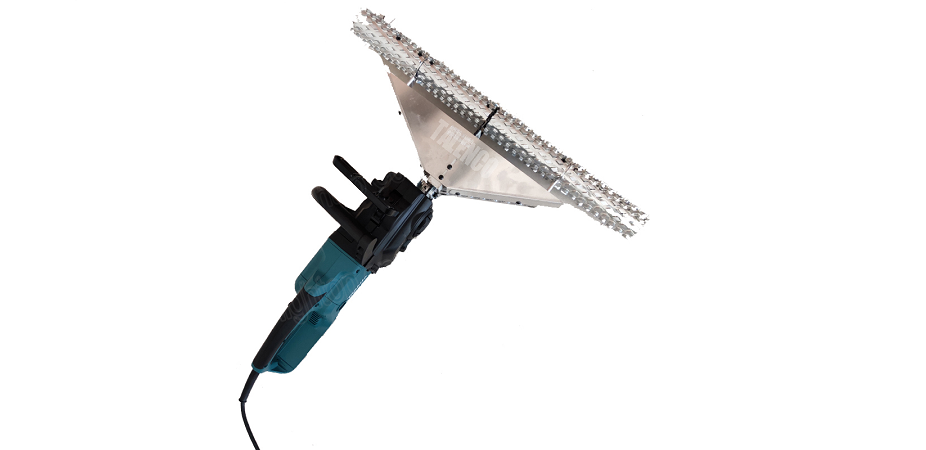
Knives and hand saws can be used for small jobs, repairs and prototypes. A sharp, suitable blade helps produce a cleaner edge and reduces tearing. Manual cutting is simple and accessible, but results may vary with the operator’s technique and can be difficult to repeat consistently across many pieces.
Band-saw cutting
Band saws are commonly used to cut foam blocks into sheets, slabs or shaped sections. They can be effective for both flexible and rigid foam when fitted with an appropriate blade and correctly set up. Careful feeding and support of the material help maintain a straight cut.
Horizontal and vertical slabstock cutting
Large foam blocks are often processed using specialised horizontal or vertical cutting equipment. Horizontal cutting can produce sheets of a specified thickness, while vertical cutting is used to divide blocks or create profiles. These methods are suited to production environments where consistent dimensions are important.
CNC contour cutting
CNC equipment follows a programmed design to cut repeatable shapes and profiles. Depending on the machine and foam type, cutting may be carried out with a blade, saw or another suitable tool. CNC cutting is useful for complex contours, customised components and larger production runs.
Waterjet cutting
Waterjet systems use a high-pressure stream of water to cut selected foam materials into detailed shapes. The suitability of this method depends on the foam’s structure, thickness and how it will be handled after cutting. Testing is recommended before using it for a full production run.
Choosing the Right Cutting Method
Before selecting a cutting process, consider the following factors:
- Foam type: Flexible and rigid PU foams may require different tools and settings.
- Density and thickness: These affect how the material behaves during cutting.
- Shape and accuracy: Straight cuts, intricate profiles and tight tolerances may call for different equipment.
- Production volume: Manual tools may suit one-off work, while mechanised or CNC systems can improve consistency for repeat production.
- Finish requirements: The specified edge quality and dimensional tolerances should guide the choice of blade and process.
Tips for a Clean, Consistent Cut
- Use a sharp blade or a tool designed for the foam being processed.
- Secure and support the foam to limit movement, compression and uneven edges.
- Use guides, templates or programmed settings where repeatability is important.
- Make a trial cut on a sample before processing production material.
- Check dimensions and edge quality regularly, particularly when changing foam batches or machine settings.
- Follow the equipment manufacturer’s instructions for blade selection, operation and maintenance.
Safety and Housekeeping
Cutting PU foam can create dust or small particles, and powered equipment presents risks from moving blades. Use appropriate machine guards and personal protective equipment, such as eye protection and suitable gloves where required. Provide effective ventilation and dust control, and follow the foam supplier’s safety information and workplace procedures.
Hot-wire cutting is commonly associated with some other foam materials, but it should not be assumed to be suitable for PU foam. Heating polyurethane can release hazardous decomposition products. Use only processes confirmed as suitable by the equipment manufacturer and foam supplier, and never heat or burn foam as a cutting method without an approved, properly controlled procedure.
Applications of Cut PU Foam
Cut PU foam is used in a wide range of products, including mattress layers, furniture cushions, automotive seating, acoustic components, protective packaging and insulation systems. Accurate cutting helps components fit their design, supports efficient material use and contributes to consistent product quality.
Conclusion
PU foam cutting ranges from simple manual work to automated, computer-controlled production. Selecting the right method involves understanding the foam, the required shape and finish, and the scale of production. With suitable equipment, careful setup and appropriate safety measures, manufacturers and fabricators can produce reliable foam components for a variety of applications.
5 Tips for Cutting PU Foam Safely and Neatly
- Use a sharp, long-blade knife for clean cuts.
- Mark the cutting line clearly before starting.
- Keep the foam flat and secure while cutting.
- Cut slowly with steady, even strokes.
- Work in a well-ventilated area and wear a dust mask.
Use a sharp, long-blade knife for clean cuts.
Use a sharp, long-blade knife to cut PU foam cleanly and evenly. A longer blade can pass through thicker sections in one smooth stroke, helping reduce jagged edges and uneven surfaces. Keep the foam supported, guide the knife steadily, and avoid forcing the blade; always follow appropriate workplace safety practices.
Mark the cutting line clearly before starting.
Mark the cutting line clearly before starting to help keep the cut straight and accurate. Use a suitable marker and a ruler or template, and check the measurements before cutting. Clear markings make the work easier to follow, reduce uneven edges and help prevent material wastage.
Keep the foam flat and secure while cutting.
Keep the PU foam flat and securely supported while cutting to help prevent it from shifting, sagging or compressing unevenly. This makes it easier to follow the cutting line and achieve a straight, consistent edge. Use a clean, stable work surface and secure the foam gently, taking care not to squash it, as compression can affect the accuracy of the cut.
Cut slowly with steady, even strokes.
Cut PU foam slowly using steady, even strokes to help create a clean, consistent edge. Rushing or applying uneven pressure can compress, tear or distort the foam, affecting the accuracy of the finished piece. Keep the material supported and let the blade do the work, using a sharp tool suited to the foam’s thickness and density.
Work in a well-ventilated area and wear a dust mask.
When cutting PU foam, work in a well-ventilated area to help disperse dust and particles. Wear a suitable, well-fitting dust mask, and follow workplace safety guidance and the foam supplier’s recommendations for additional protective equipment.