
Cast Polyurethane: A Versatile Material for Demanding Applications
Cast polyurethane is a versatile engineering material used to make components that need to withstand wear, impact and repeated movement. It combines some of the flexibility of rubber with the strength and durability associated with many plastics. Its properties can be adjusted to suit different applications, making it a practical choice across industries such as mining, manufacturing, transport, construction and material handling.
What Is Cast Polyurethane?
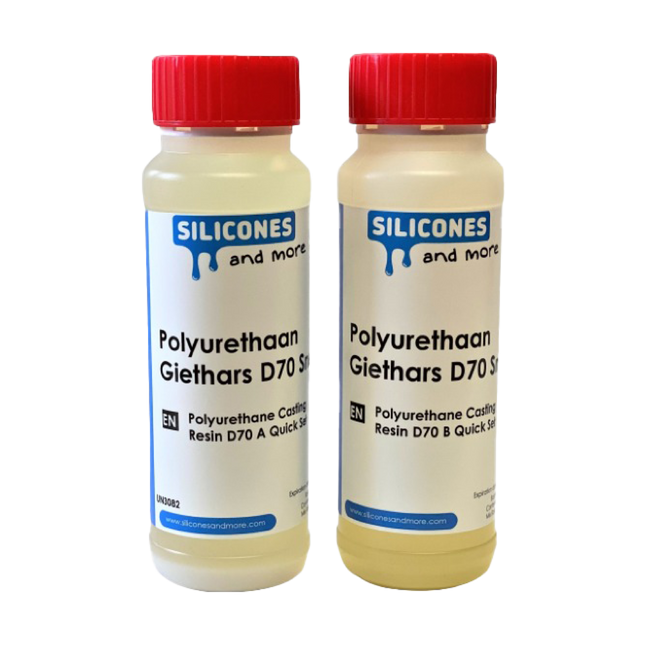
Polyurethane is a family of polymers formed by reacting suitable chemical components. In the casting process, liquid polyurethane ingredients are mixed, poured into a mould and allowed to cure. The finished part takes the shape of the mould and can be made in a wide range of sizes and designs.
Cast polyurethane is available in formulations with different levels of hardness and flexibility. Depending on the formulation, it may be produced as a soft, resilient material or as a harder, more rigid component. This flexibility in design helps manufacturers select a material suited to the operating conditions of a particular product.
How the Casting Process Works
The process generally involves preparing the mould, measuring and mixing the raw materials, pouring the mixture into the mould, and allowing it to cure. Some components may then be post-cured or machined to meet specific requirements. Careful control of the formulation, temperature, mixing and curing conditions is important for consistent quality.
Cast polyurethane can be used to produce both simple shapes and customised components. It is also suitable for making parts in small or medium production runs, where a specialised design or a particular combination of properties is required.
Key Properties
The performance of a cast polyurethane part depends on its formulation, design and working environment. Commonly valued characteristics include:
- Wear resistance: Many formulations are suited to applications involving abrasion and repeated contact.
- Impact resistance: Polyurethane can absorb shocks and help protect equipment and adjoining surfaces.
- Elasticity and resilience: Depending on its hardness, it can flex under load and recover its shape.
- Load-bearing capability: Certain grades are designed to support substantial loads in demanding conditions.
- Design flexibility: The casting process allows manufacturers to create components in a variety of shapes and dimensions.
- Noise and vibration control: Some parts can help reduce noise or dampen vibration in equipment.
These properties vary between grades. A material that performs well in one application may not be suitable for another, so selection should be based on the actual service conditions.
Common Applications
Cast polyurethane is used in components such as rollers, wheels, bushes, seals, scrapers, liners, pads and buffers. In material-handling systems, rollers and wheels may be selected for their wear resistance and ability to protect floors or conveyed goods. In mining and processing equipment, liners and screens can help manage abrasion and impact. Cast polyurethane parts are also used in industrial machinery, agricultural equipment and transport applications.
Custom cast components can be designed to replace or complement parts made from rubber, metal or other plastics. The right choice depends on factors such as load, speed, temperature, exposure to chemicals and the expected service life.
Choosing the Right Grade
When specifying cast polyurethane, it is useful to consider:
- the type and frequency of wear or impact;
- the load, speed and movement involved;
- operating and cleaning temperatures;
- exposure to oils, chemicals, moisture or outdoor conditions;
- the required hardness, flexibility and dimensional accuracy; and
- maintenance needs and the expected operating life.
Working with a materials specialist or component manufacturer can help identify an appropriate formulation and design. Testing under representative operating conditions may also be advisable for critical applications.
Conclusion
Cast polyurethane offers a useful combination of design flexibility and application-specific performance. Its ability to be moulded into customised shapes and formulated across a range of properties makes it valuable for many industrial components. With careful material selection and appropriate processing, cast polyurethane can help improve the reliability and service life of equipment in demanding environments.
6 Key Advantages of Cast Polyurethane
- Excellent wear resistance
- Good impact absorption
- Available in varied hardness levels
- Can be moulded into custom shapes
- Resists noise and vibration
- Suitable for demanding applications
Key Limitations of Cast Polyurethane
- Can be more expensive than conventional rubber or plastic.
- Properties may deteriorate with prolonged exposure to heat or sunlight.
- Some chemicals can cause swelling or degradation.
- Manufacturing quality depends on careful mixing and curing.
Excellent wear resistance
Cast polyurethane offers excellent wear resistance, making it well suited to components exposed to continuous friction, abrasion and repeated contact. Parts such as rollers, wheels, liners and scrapers can withstand demanding operating conditions and may last longer than components made from less wear-resistant materials. This durability can help reduce replacement frequency, maintenance downtime and overall operating costs.
Good impact absorption
Cast polyurethane offers good impact absorption, helping to cushion repeated shocks and sudden loads during operation. This can reduce stress on machinery and adjoining components, limit noise and vibration, and help protect products from damage. Its resilience also allows it to recover after deformation, making it a useful choice for bumpers, pads, rollers and other parts exposed to regular impact.
Available in varied hardness levels
One of the key advantages of cast polyurethane is its availability in a wide range of hardness levels. This allows manufacturers to select a softer, more flexible grade for cushioning and shock absorption, or a harder grade for applications requiring greater support and resistance to deformation. Choosing the right hardness helps match the component to its operating conditions and performance requirements.
Can be moulded into custom shapes
One of the key advantages of cast polyurethane is that it can be moulded into custom shapes to suit specific design and operating requirements. This allows manufacturers to create components with complex profiles, precise dimensions or integrated features, reducing the need for multiple parts or extensive machining. From specially shaped rollers and seals to protective liners and machine components, custom moulding helps ensure a close fit and reliable performance in the intended application.
Resists noise and vibration
Cast polyurethane helps reduce noise and vibration by absorbing impact and cushioning moving parts. This makes it useful in applications such as rollers, wheels, mounts and equipment linings, where quieter operation can improve workplace comfort and help protect machinery and surrounding components from repeated shocks.
Suitable for demanding applications
Cast polyurethane is well suited to demanding applications where components face repeated impact, abrasion, heavy loads or continuous movement. Its formulation can be tailored to provide the right balance of hardness, flexibility and resilience for the operating conditions. This makes it a dependable option for industrial parts such as rollers, wheels, liners and seals, helping equipment perform reliably in challenging environments.
Can be more expensive than conventional rubber or plastic.
Cast polyurethane can be more expensive than conventional rubber or plastic, particularly when specialised formulations, custom moulds or low-volume production are required. The initial cost may be higher, so it is important to compare it with the component’s expected performance and service life. In applications where its durability or wear resistance reduces maintenance and replacement needs, the additional upfront cost may be offset over time.
Properties may deteriorate with prolonged exposure to heat or sunlight.
One limitation of cast polyurethane is that its properties may deteriorate after prolonged exposure to heat or direct sunlight. Over time, this can lead to changes such as hardening, softening, fading or reduced strength, depending on the material grade and operating conditions. For outdoor or high-temperature applications, selecting a suitable UV- and heat-resistant formulation—and following the manufacturer’s guidance on service limits—can help reduce premature degradation.
Some chemicals can cause swelling or degradation.
Cast polyurethane may swell, soften or degrade when exposed to certain chemicals, affecting its dimensions and performance. The extent of damage depends on the polyurethane formulation, the chemical involved, concentration, temperature and duration of exposure. Before selecting it for an application, check the material’s chemical compatibility and consider testing it under actual operating conditions.
Manufacturing quality depends on careful mixing and curing.
The quality of cast polyurethane depends on precise control during mixing and curing. Incorrect proportions, uneven mixing or unsuitable curing conditions can lead to defects, inconsistent properties or reduced component life. Manufacturers therefore need to follow well-controlled processes and maintain suitable quality checks to ensure each part performs as expected.