
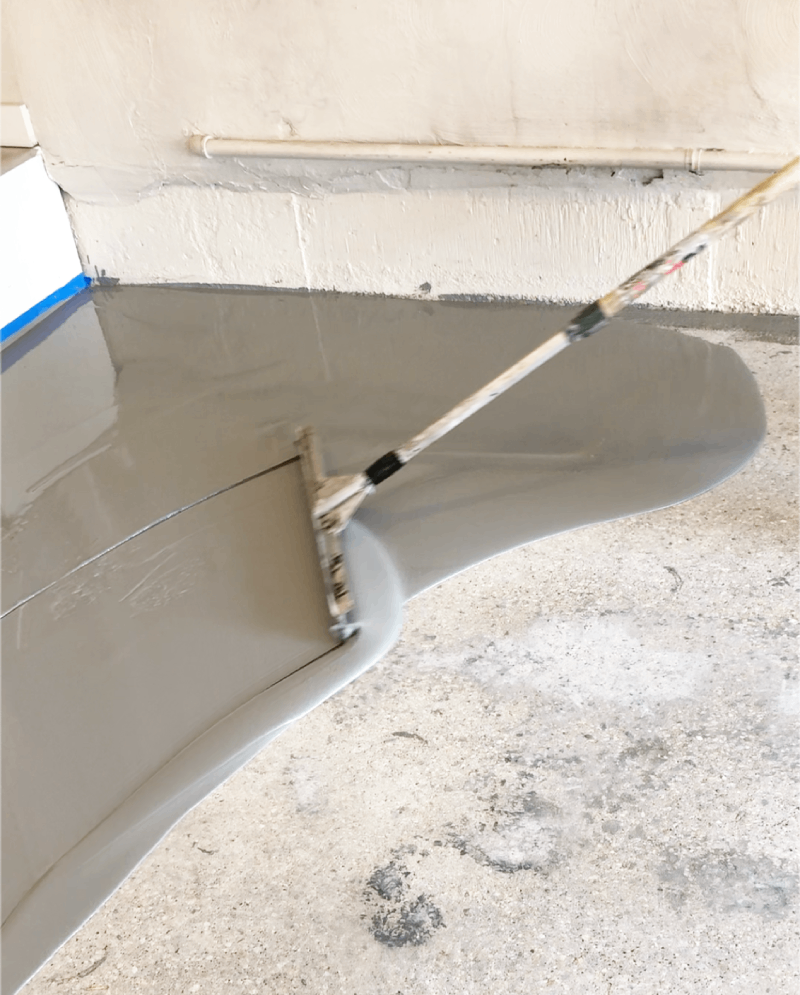
Using Polyurethane to Seal Concrete
Concrete is strong and durable, but it is not completely impervious. Water, oils, chemicals and everyday wear can penetrate or mark its surface. A polyurethane coating can help protect concrete by forming a tough, protective film over it. It is commonly used on floors in homes, workshops, warehouses, garages and commercial spaces.
What Is a Polyurethane Concrete Sealer?
Polyurethane is a type of protective coating applied to prepared concrete. Once cured, it creates a surface layer that can improve resistance to abrasion, stains and some chemicals. Depending on the product, it may also provide a gloss, satin or matt finish.
Polyurethane coatings are generally film-forming rather than penetrating sealers: they sit on the concrete surface. This is different from products designed to soak into the concrete and leave little or no visible film. The right choice depends on the required appearance, exposure and maintenance needs.
Benefits of Polyurethane on Concrete
- Wear resistance: A suitable coating can help protect floors from scuffing and routine foot or vehicle traffic.
- Stain protection: The film can make spills easier to clean, although chemicals should still be removed promptly.
- Choice of finish: Products are available in different sheens and may be clear or coloured.
- Protection over other systems: Polyurethane is sometimes used as a topcoat over an epoxy floor system, when the products are compatible.
Performance varies between products. Check the technical data sheet for details such as chemical resistance, suitable substrates, application temperature, cure time and whether the coating is appropriate for indoor or outdoor use.
Choosing a Suitable Product
Consider where the concrete is located and how it will be used. A floor exposed to heavy traffic may need a different system from a decorative indoor surface. For outdoor concrete, ask whether the product is UV-resistant. Some polyurethane coatings can yellow or change appearance when exposed to sunlight; aliphatic formulations are often selected where improved colour stability is needed.
Also check whether the coating is intended for bare concrete or for use over a primer or another coating. If the concrete is damp, below ground, or subject to moisture rising from beneath, a film-forming coating may blister or lose adhesion. Confirm that the product is suitable for the site’s moisture conditions before starting.
Preparing Concrete for Application
Preparation is essential for a durable finish. A coating cannot compensate for a weak, contaminated or poorly prepared surface.
- Check the concrete: Look for cracks, loose areas, laitance, oil, old coatings and signs of moisture. Repair defects with materials compatible with the coating system.
- Clean thoroughly: Remove dust, grease, curing compounds and other contaminants. Follow the product instructions for cleaning and rinsing.
- Prepare the surface: The coating may require mechanical grinding, shot blasting or another method to create the specified surface profile. Do not rely on acid etching unless the manufacturer allows it.
- Allow it to dry: Apply only when the concrete meets the product’s moisture and temperature requirements. A surface that looks dry may still contain too much moisture for coating.
- Apply a primer if required: Use the recommended primer, especially on dense, porous or previously coated surfaces.
Applying Polyurethane to Concrete
Follow the manufacturer’s instructions carefully, as mixing ratios, pot life and application methods differ. Some products are supplied as one component, while others require two components to be mixed before use. Apply the coating evenly using the specified roller, brush or squeegee, and observe the stated coverage rate.
Pay attention to the recommended recoat window. Applying another coat too early or too late may affect adhesion. Keep the area free from dust, water and traffic during curing. The coating may feel dry to the touch before it is ready for heavy use or chemical exposure, so follow the full cure schedule.
Safety and Maintenance
Read the product label and safety data sheet before use. Provide suitable ventilation, wear the recommended gloves and eye protection, and keep products away from ignition sources where required. Some coatings contain solvents or other substances that need particular handling precautions.
Clean the finished surface with methods and cleaners approved for the coating. Avoid harsh chemicals or abrasive tools unless the manufacturer confirms they are suitable. Inspect the surface periodically and repair worn or damaged areas as recommended.
When to Seek Professional Advice
Professional assessment is advisable for large floors, areas with persistent dampness, heavily damaged concrete, industrial environments or projects requiring a specific slip-resistance level. A contractor can help assess the substrate, choose a compatible coating system and prepare the concrete to the required standard.
Polyurethane can provide effective protection for concrete when the product matches the conditions and the surface is properly prepared. Checking moisture, preparation and application requirements before work begins is key to achieving a finish that performs as intended.
Polyurethane Concrete Sealer: 9 Frequently Asked Questions
- What is polyurethane concrete sealer, and how does it work?
- What are the benefits of using polyurethane to seal concrete?
- Can polyurethane sealer be applied to both indoor and outdoor concrete?
- How should concrete be prepared before applying polyurethane sealer?
- Can polyurethane sealer be applied over an existing epoxy coating?
- How many coats of polyurethane sealer are needed for concrete?
- How long does polyurethane sealer take to dry and cure?
- How long does polyurethane sealer last on a concrete floor?
- How do you maintain and clean polyurethane-sealed concrete?
What is polyurethane concrete sealer, and how does it work?
A polyurethane concrete sealer is a protective coating applied to concrete to help guard it against abrasion, stains, moisture and everyday wear. Unlike penetrating sealers, which soak into the surface, polyurethane generally forms a clear or coloured film on top of the concrete. Once cured, this film creates a barrier that helps limit the entry of water and other contaminants and makes the surface easier to clean. Its performance depends on the product, the condition and preparation of the concrete, and the environment in which it is used.
What are the benefits of using polyurethane to seal concrete?
Polyurethane sealer forms a durable protective layer over concrete, helping it resist abrasion, scuffing, stains and some chemicals. It can make spills easier to clean and is available in different finishes, from matt to gloss, to suit the space. Depending on the product, it may also work as a protective topcoat over an epoxy system. The right sealer should be chosen for the concrete’s location and use, as performance and resistance to sunlight, moisture and chemicals vary by product.
Can polyurethane sealer be applied to both indoor and outdoor concrete?
Yes, polyurethane sealer can be used on both indoor and outdoor concrete, provided the product is suitable for the conditions. For outdoor areas, choose a UV-resistant formulation, as some polyurethane coatings may yellow or change appearance with prolonged sun exposure. Check the manufacturer’s guidance on moisture, temperature and surface preparation, and ensure the concrete is fully cured and dry before application. For indoor floors, consider ventilation and the coating’s suitability for the expected foot or vehicle traffic.
How should concrete be prepared before applying polyurethane sealer?
Before applying a polyurethane sealer, ensure the concrete is fully cured and meets the product’s moisture requirements. Remove dust, grease, oil, curing compounds, loose material and any existing coating that may affect adhesion. Repair cracks or damaged areas with a compatible product, then mechanically prepare the surface if specified by the manufacturer. Clean away all residue and allow the concrete to dry thoroughly. Apply a compatible primer if required, and always follow the sealer’s technical instructions for surface condition, temperature and moisture limits.
Can polyurethane sealer be applied over an existing epoxy coating?
Yes, a polyurethane sealer can often be applied over an existing epoxy coating, and it is commonly used as a protective topcoat to improve resistance to abrasion, UV exposure and everyday wear. The epoxy must be firmly bonded, fully cured and free from dust, grease or other contaminants; glossy surfaces may need light sanding to help the new coat adhere. Check that the polyurethane is compatible with the epoxy and follow the manufacturer’s preparation and recoat instructions. If unsure, test the system on a small, inconspicuous area first.
How many coats of polyurethane sealer are needed for concrete?
Most concrete surfaces need two coats of polyurethane sealer for even coverage and reliable protection, although some products may require more or fewer coats. Follow the manufacturer’s instructions for the recommended number of coats, coverage and recoat time, as these vary by product and surface condition. Apply each coat evenly over clean, properly prepared concrete, and allow it to dry as directed before applying the next.
How long does polyurethane sealer take to dry and cure?
Polyurethane sealer drying and curing times vary by product, temperature, humidity, ventilation and coat thickness. It may be dry to the touch within a few hours, but this does not mean it is ready for use: light foot traffic may need to wait 24–48 hours, while full curing can take several days. Keep the surface dry and avoid heavy traffic, furniture or chemicals until the manufacturer’s stated cure time has passed. Always check the product label or technical data sheet for exact timings.
How long does polyurethane sealer last on a concrete floor?
Polyurethane sealer on a concrete floor can last from a few years to around a decade, depending on the product, surface preparation, application and level of traffic. Floors exposed to vehicles, heavy foot traffic, chemicals or frequent cleaning may need recoating sooner than lightly used indoor floors. Regular cleaning, prompt spill removal and periodic checks for wear can help extend its service life. Follow the manufacturer’s maintenance guidance, and recoat when the finish shows significant wear, rather than relying on a fixed timeframe.
How do you maintain and clean polyurethane-sealed concrete?
Clean polyurethane-sealed concrete regularly by sweeping or vacuuming to remove dust and grit, then mopping with warm water and a pH-neutral cleaner. Wipe up oil, chemicals and other spills promptly, and avoid abrasive pads, harsh solvents or acidic cleaners unless the coating manufacturer confirms they are suitable. Use soft pads or non-scratch tools, place protective pads under furniture, and avoid dragging heavy objects across the surface. Inspect the coating periodically for scratches, peeling or worn areas, and follow the manufacturer’s guidance for repairs or recoating.