
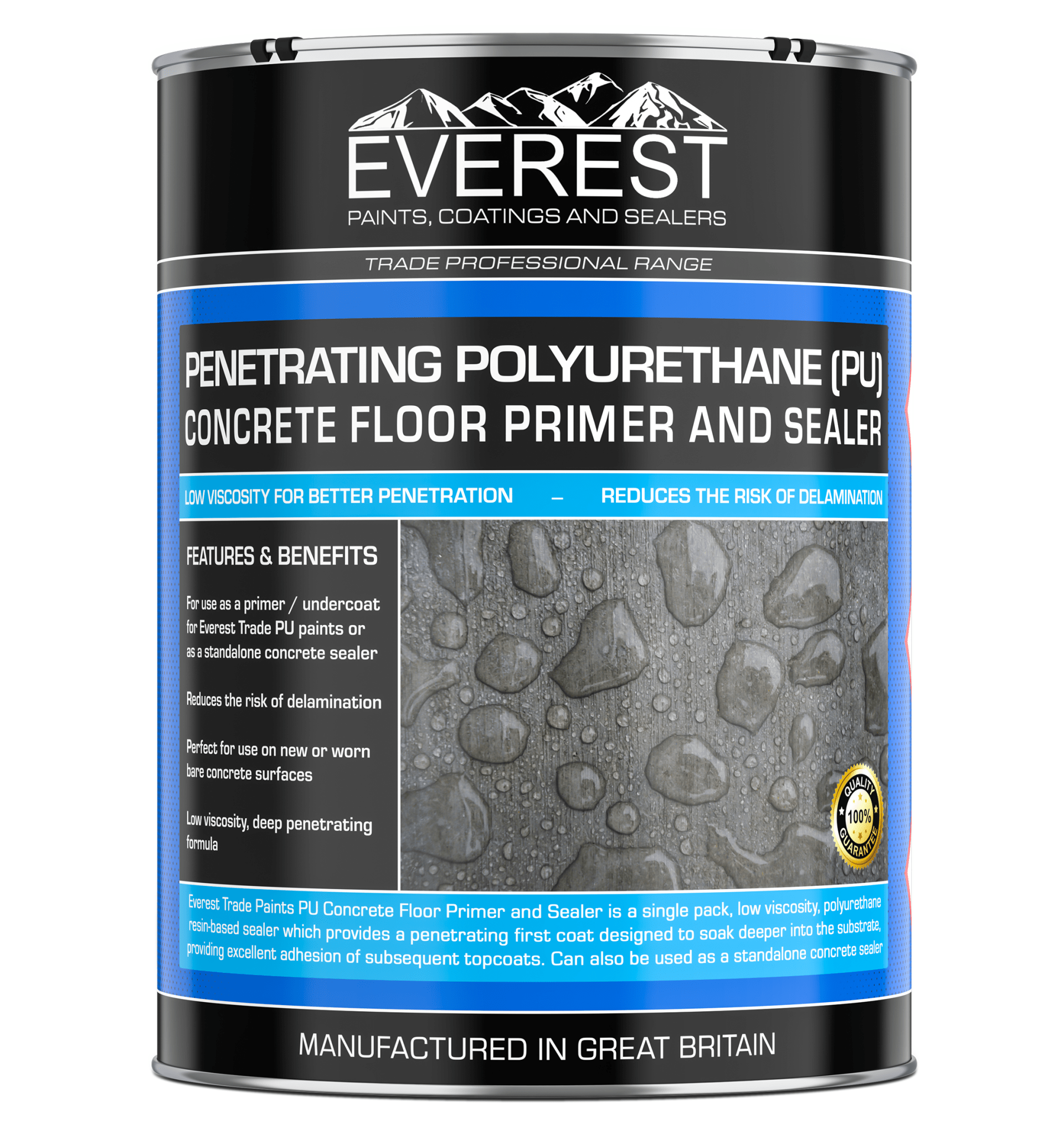
Polyurethane Cement Sealer: Uses, Benefits and Application
A polyurethane cement sealer is a protective coating used on cement-based surfaces such as concrete floors, screeds and cement render. It forms a durable surface layer that can help protect against abrasion, stains, moisture and everyday wear. It is commonly considered for homes, commercial spaces, warehouses and industrial facilities, depending on the product’s formulation and the demands of the site.
The term can refer to a polyurethane coating applied over cement, or to a polyurethane-cement flooring system. These are related but different products. A sealer is generally a thinner protective finish, while a polyurethane-cement system is a thicker flooring material designed to provide a robust, seamless surface. Always check the product description and technical data sheet to confirm which type is being offered.
Where Is Polyurethane Cement Sealer Used?
Polyurethane sealers may be suitable for concrete and cement surfaces in areas such as:
- Garages, workshops and utility rooms
- Warehouses and light industrial spaces
- Commercial kitchens and service areas, where the selected system is rated for the conditions
- Retail, office and institutional floors
- Balconies, covered terraces and other cement surfaces, when the product is approved for exterior use
Suitability depends on the surface, expected foot or vehicle traffic, exposure to chemicals and moisture, and whether the area is indoors or outdoors. A coating intended for an interior floor may not be suitable for prolonged sunlight or standing water.
Key Benefits
- Wear resistance: A suitable polyurethane coating can help reduce surface damage from regular foot traffic, equipment and abrasion.
- Stain protection: The sealed surface can make spills easier to clean, although chemical resistance varies by product.
- Reduced dusting: Sealing a sound cement surface can help limit loose dust from the surface.
- Appearance: Products are available in different colours and finishes, including matt, satin and gloss, depending on the system.
- Easier maintenance: A properly applied, seamless coating can simplify routine cleaning.
These benefits are not automatic. Results depend on correct product selection, surface preparation, application and curing.
How to Choose the Right Sealer
Before choosing a polyurethane cement sealer, consider the conditions the surface will face. Check the manufacturer’s guidance for traffic levels, chemical exposure, moisture, temperature range, UV exposure and slip resistance. For food preparation, healthcare or other regulated environments, confirm that the complete system meets the relevant project requirements.
It is also important to establish whether the existing cement is new or old, porous or previously coated, and whether moisture is present. Some products require a primer or a particular moisture level. For a floor exposed to water or cleaning chemicals, ask the supplier for written confirmation that the proposed coating is suitable.
Surface Preparation and Application
Good preparation is essential to help the coating bond to the cement. The surface generally needs to be clean, sound and free from oil, grease, dust, curing compounds and loose material. Cracks, damaged areas and uneven sections may need to be repaired before coating. Depending on the product and the condition of the floor, mechanical preparation such as grinding may be recommended.
Application steps vary by product, but commonly include:
- Check the substrate and confirm that it meets the product’s requirements.
- Prepare and clean the surface using the method specified by the manufacturer.
- Apply a compatible primer if required.
- Mix the coating components in the stated proportions and observe the specified working time.
- Apply the recommended number of coats at the stated coverage rate.
- Allow the coating to cure before permitting foot traffic, vehicle traffic or cleaning.
Temperature, humidity and ventilation can affect application and curing. Follow the product label and technical data sheet rather than relying on general drying times. For large, damaged or high-traffic floors, professional installation can help reduce the risk of peeling, bubbling or uneven coverage.
Maintenance and Limitations
Clean the coated surface with products recommended by the manufacturer. Avoid harsh chemicals or abrasive tools unless the coating is confirmed to withstand them. Inspect the floor periodically for wear, scratches, peeling or damage, particularly in high-traffic areas, and repair defects promptly.
A polyurethane sealer is not a substitute for repairing an unstable or damp substrate. It may also become slippery when wet, depending on its finish. Where slip resistance is important, choose a system with an appropriate texture or approved anti-slip additive, and confirm that the finished surface meets the needs of the space.
Conclusion
A polyurethane cement sealer can provide a practical protective finish for many cement-based surfaces. Its performance depends on matching the coating to the site conditions and preparing the substrate correctly. Compare product specifications carefully, follow the manufacturer’s application instructions and seek professional advice when the floor will face heavy traffic, moisture or demanding chemical exposure.
5 Essential Tips for Applying Polyurethane Cement Sealer
- Clean and dry the surface before applying the sealer.
- Follow the product’s mixing ratio and instructions.
- Apply in thin, even coats using suitable tools.
- Wear gloves, eye protection and good ventilation.
- Allow the stated curing time before use.
Clean and dry the surface before applying the sealer.
Before applying a polyurethane cement sealer, clean the surface thoroughly to remove dust, dirt, grease, loose material and any existing residue. Allow the cement to dry completely, as trapped moisture can affect adhesion and may lead to peeling or an uneven finish. Follow the product instructions for cleaning and drying times, and check that the surface is sound before application.
Follow the product’s mixing ratio and instructions.
Always follow the manufacturer’s specified mixing ratio and application instructions when using a polyurethane cement sealer. Measure each component accurately and mix it for the recommended time, as incorrect proportions or mixing can affect curing, adhesion and the finished surface. Prepare only the quantity that can be applied within the product’s working time, and check the label or technical data sheet for guidance on temperature, application and curing.
Apply in thin, even coats using suitable tools.
Apply polyurethane cement sealer in thin, even coats using tools recommended by the manufacturer, such as a suitable roller, brush or squeegee. Work steadily across the surface, keeping a wet edge to minimise lap marks and avoid puddles or heavy build-up, which can lead to an uneven finish or affect curing. Allow each coat to dry for the specified time before applying the next, and follow the product’s instructions for coverage and application conditions.
Wear gloves, eye protection and good ventilation.
When applying a polyurethane cement sealer, wear suitable protective gloves and eye protection to help prevent skin and eye contact. Ensure the area is well ventilated, as some products may release strong fumes during application and curing. Always follow the manufacturer’s safety instructions and use any additional protective equipment specified on the product label.
Allow the stated curing time before use.
Allow the polyurethane cement sealer to cure for the full period stated by the manufacturer before using the surface. Dry-to-touch does not necessarily mean fully cured; walking, placing furniture or equipment, or exposing the coating to water and chemicals too soon can damage the finish and affect its performance. Check the product instructions for the recommended waiting times for foot traffic, heavy loads and cleaning, as curing can vary with temperature and humidity.