
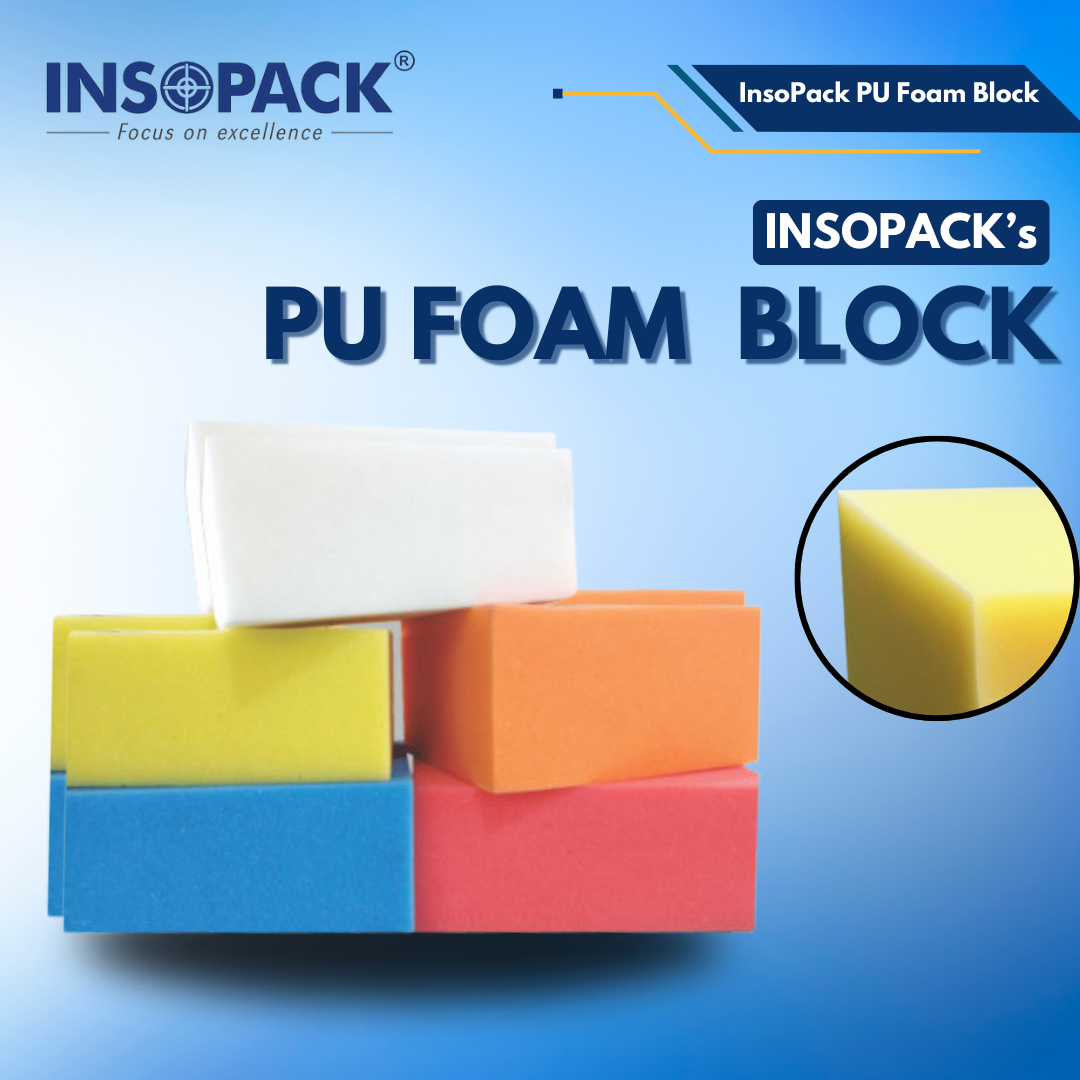
PU Foam Sponge: Types, Uses and How to Choose
PU foam sponge, commonly known as polyurethane foam sponge, is a lightweight and versatile material used in homes, vehicles, workplaces and many industries. It is made from polyurethane and can be produced in different densities, firmness levels and cell structures. These variations allow the foam to provide comfort, cushioning, support or sound absorption, depending on its intended use.
What Is PU Foam Sponge?
Polyurethane (PU) foam is a cellular material formed by creating gas bubbles within a polymer during manufacture. The resulting structure may have open or closed cells. Open-cell foam is generally soft and breathable, while closed-cell varieties are more resistant to water and air movement. The properties of a PU foam sponge depend on its formulation and manufacturing process.
Common Types
- Flexible PU foam: Soft and compressible, it is widely used in cushions, mattresses, pillows and upholstery.
- High-density foam: Designed to offer greater support and durability, it is often used in furniture seating and applications that experience regular use.
- Memory foam: A type of viscoelastic PU foam that responds to heat and pressure, adapting to the shape of the body. It is commonly found in mattresses, pillows and comfort products.
- Rebonded foam: Made by bonding pieces of foam together, it is typically firmer and used in applications such as carpet underlay, gym flooring and supportive seating.
- Reticulated foam: A highly open-cell foam that allows air and liquids to pass through more freely. It is used in filtration, cleaning and other specialised applications.
Where Is PU Foam Sponge Used?
PU foam sponge is valued for its low weight, cushioning and adaptability. Common applications include:
- Mattresses, pillows and sofa cushions
- Upholstery for homes, offices and public spaces
- Vehicle seats, headrests and interior trim
- Packaging that helps cushion products during transport
- Cleaning sponges and filtration products
- Sound-absorbing panels and protective padding
- Footwear, sports equipment and healthcare products
How to Choose the Right Foam
The most suitable PU foam sponge depends on how it will be used. Consider the following factors before choosing a product:
- Density: Density indicates the amount of material in a given volume. It can help with comparing products, but it does not alone determine firmness or comfort.
- Firmness: Choose a firmness level that matches the required support and comfort. A seating cushion, for example, may need different properties from a soft pillow.
- Thickness and shape: Check that the foam fits the product or space where it will be installed.
- Durability: For frequently used furniture or vehicle seating, look for foam suited to repeated compression and the expected service conditions.
- Environment: Consider exposure to moisture, heat, sunlight or cleaning products, and select foam intended for those conditions.
- Safety and compliance: For building, transport or commercial applications, check relevant product specifications and local requirements, including fire-safety requirements where applicable.
Care and Handling
Follow the manufacturer’s instructions for cleaning and maintenance. Many PU foams should not be soaked or exposed to harsh chemicals, as this may damage their structure. Allow damp foam to dry thoroughly before use, and keep it away from excessive heat or open flames. Where possible, use a removable cover to help protect cushions from dirt and wear.
Environmental Considerations
Like many materials, PU foam has environmental impacts linked to its raw materials, manufacture and disposal. Product life can be extended through suitable design, maintenance and reuse. Some manufacturers also offer foam containing recycled content or participate in recycling initiatives. Availability and suitability vary, so buyers can ask suppliers for product information and end-of-life guidance.
Conclusion
PU foam sponge is a flexible material with applications ranging from everyday cushions to specialised industrial products. Choosing the right type involves looking beyond softness alone: density, firmness, durability, intended use and safety requirements all matter. Checking product specifications and following care guidance can help ensure the foam performs as expected.
8 Key Benefits of PU Foam Sponge
- Lightweight and easy to handle
- Available in varied firmness levels
- Provides comfortable cushioning
- Can offer good support
- Versatile across many applications
- Easy to cut and shape
- Helps absorb sound and vibration
- Available in different densities
Key Disadvantages of PU Foam Sponge
- May degrade with prolonged exposure to sunlight or heat.
- Some types can absorb moisture and be difficult to dry.
- Quality and durability vary between products.
- Disposal and recycling can be challenging.
Lightweight and easy to handle
One of the key advantages of PU foam sponge is its lightweight nature, which makes it easy to lift, cut, shape and install. This simplifies handling during manufacturing and everyday use, while also helping reduce the overall weight of products such as cushions, mattresses, packaging and vehicle interiors. Its manageable weight can make transport and fitting more convenient without compromising its cushioning or support.
Available in varied firmness levels
PU foam sponge is available in varied firmness levels, making it easy to select a type suited to different needs. Softer foam can provide gentle cushioning for pillows and upholstery, while firmer options offer greater support for seating, mattresses and other applications. This choice helps manufacturers and consumers find the right balance of comfort and support for each use.
Provides comfortable cushioning
PU foam sponge provides comfortable cushioning by gently absorbing pressure and helping distribute body weight across a surface. Its soft, resilient structure can offer a pleasant balance of comfort and support in products such as mattresses, pillows, sofa cushions and vehicle seats. Depending on its density and firmness, it can be selected to suit different comfort needs and everyday uses.
Can offer good support
PU foam sponge can offer good support by distributing weight evenly and cushioning pressure points. Depending on its density and firmness, it can provide a comfortable, stable feel in products such as mattresses, sofa cushions and seating. Choosing the right foam for the intended use helps balance support with comfort.
Versatile across many applications
One of the key advantages of PU foam sponge is its versatility across many applications. It can be made in a range of densities, firmness levels, thicknesses and shapes to suit different needs, from soft cushions and mattresses to supportive vehicle seating, protective packaging, cleaning products and filtration. This adaptability makes PU foam sponge a practical choice for both everyday products and specialised uses.
Easy to cut and shape
PU foam sponge is easy to cut and shape, making it suitable for products that require specific sizes or designs. It can be trimmed with appropriate tools to fit cushions, packaging, upholstery and craft projects. This versatility helps manufacturers and users adapt the foam to different applications with less material waste.
Helps absorb sound and vibration
PU foam sponge helps absorb sound and vibration, making it useful in applications where noise control and comfort matter. Its porous structure can reduce sound reflections and dampen vibrations, so it is commonly used in acoustic panels, equipment enclosures, vehicle interiors and protective padding. The level of absorption depends on the foam’s density, thickness and cell structure, so the right type should be selected for the intended environment.
Available in different densities
PU foam sponge is available in different densities, making it easy to select a suitable option for a specific application. Lower-density foam is generally lighter and softer, while higher-density foam can provide greater support and durability, depending on its formulation. This variety makes PU foam useful in products ranging from cushions and mattresses to packaging and upholstery.
May degrade with prolonged exposure to sunlight or heat.
One drawback of PU foam sponge is that prolonged exposure to direct sunlight or high temperatures may cause it to degrade over time. Heat and ultraviolet (UV) rays can weaken the foam, leading to discolouration, reduced elasticity, brittleness or crumbling. To help extend its service life, keep PU foam away from heat sources and protect it from direct sunlight wherever possible.
Some types can absorb moisture and be difficult to dry.
Some types of PU foam sponge have an open-cell structure that can absorb and hold moisture. If the foam becomes wet, water may remain trapped inside, making it slow and difficult to dry completely. Prolonged dampness can lead to unpleasant odours or mould growth, particularly in poorly ventilated areas. To reduce these risks, follow the manufacturer’s care instructions, avoid soaking the foam, and ensure it is thoroughly dried in a well-ventilated space before use.
Quality and durability vary between products.
Quality and durability can vary considerably between PU foam sponge products. Differences in raw materials, density, manufacturing methods and quality control affect how well a sponge retains its shape and withstands repeated use. Lower-quality products may compress, tear or wear out sooner, so it is wise to check the specifications, intended use and supplier’s quality information before buying.
Disposal and recycling can be challenging.
Disposing of PU foam sponge can be challenging because it is bulky, may contain additives or bonded materials, and does not readily break down in the environment. Recycling options can also be limited, as foam often needs to be collected, sorted and processed using specialised facilities. As a result, used PU foam may end up in landfill if suitable local recycling services are unavailable. Choosing durable products, reusing foam where practical and checking with local waste authorities or suppliers about recycling options can help reduce its environmental impact.