
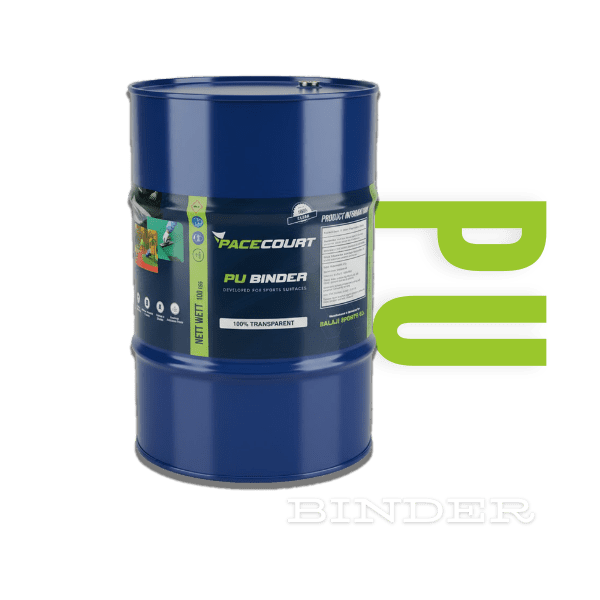
PU Binder: Applications, Benefits and Selection
A polyurethane (PU) binder is an adhesive material that holds particles, fibres or other components together. It is made from polyurethane chemistry and is used in products where strength, flexibility and resistance to wear are important. Depending on its formulation, a PU binder can cure through exposure to moisture or through a reaction between two components.
How PU Binders Work
Polyurethane binders are generally based on reactions involving polyols and isocyanates. Their formulation can be adjusted to suit different materials and conditions. One-component binders typically cure by reacting with moisture in the air or in the materials they are applied to. Two-component systems are mixed shortly before use, initiating a chemical reaction that forms the cured binder.
The final properties depend on factors such as the raw materials, mixing ratio, application method, temperature and curing conditions. PU binders can be formulated to produce anything from a flexible bond to a tougher, more rigid result.
Common Applications
- Rubber granules: Binding rubber crumbs to make surfaces for playgrounds, sports areas and other flooring applications.
- Construction: Bonding or binding selected materials in flooring, insulation and building products.
- Wood products: Joining wood components or binding wood particles and fibres in certain manufactured products.
- Textiles and technical materials: Supporting the bonding or coating of fabrics and fibres.
- Recycled-material products: Holding materials such as rubber, cork or other particles together, depending on the binder formulation and intended use.
Key Benefits
PU binders are valued for their versatility. Depending on the product and application, they can offer:
- Strong adhesion to a range of substrates
- Flexibility and resilience
- Resistance to abrasion and repeated use
- Useful performance in outdoor or demanding environments
- The ability to bind particles into continuous, shaped products
These benefits are not identical for every PU binder. Performance should be confirmed against the product’s technical data and the requirements of the finished application.
Choosing the Right PU Binder
Before selecting a binder, consider the materials being joined, the required strength and flexibility, the intended service environment and the method of application. For granule-based products, factors such as particle size, binder dosage, mixing quality, layer thickness and curing conditions can influence the finished surface.
It is also important to check whether the binder is intended for indoor or outdoor use, whether it is compatible with the substrate, and what preparation is required. Follow the manufacturer’s instructions for storage, mixing, application and curing. Small-scale trials can help assess compatibility and finished-product performance before larger production runs.
Handling and Safety
Some polyurethane binder systems contain isocyanates or other substances that require careful handling. Read the product label and safety data sheet before use, and follow the recommended controls, personal protective equipment and ventilation requirements. Avoid skin and eye contact, and do not use a product outside the conditions specified by its supplier.
Uncured binder and empty packaging should be handled and disposed of according to local requirements. Where possible, plan material use carefully to minimise waste.
Conclusion
PU binders help create durable products by bonding particles, fibres and other materials. Their versatility makes them useful across several industries, but the right formulation depends on the application. Careful product selection, correct processing and safe handling are essential for achieving reliable results.
9 Essential Tips for Using PU Binder Safely and Effectively
- Check the product label and technical data sheet before use.
- Prepare a clean, dry surface for better bonding.
- Measure components in the specified ratio.
- Mix thoroughly, but avoid trapping air.
- Wear gloves and eye protection while handling.
- Work in a well-ventilated area.
- Keep moisture away unless the product allows it.
- Test on a small area before full application.
- Seal the container and store it as directed.
Check the product label and technical data sheet before use.
Before using a PU binder, check the product label and technical data sheet carefully. These documents provide important information about suitable applications, surface preparation, mixing ratios, application conditions, curing time, storage and safety precautions. Following the manufacturer’s instructions helps ensure the binder performs as intended and is handled safely.
Prepare a clean, dry surface for better bonding.
For better bonding, prepare a clean, dry surface before applying the PU binder. Remove dust, oil, grease and loose particles, as these can interfere with adhesion and weaken the finished bond. Allow the surface to dry completely, and follow the manufacturer’s preparation instructions for the materials being joined.
Measure components in the specified ratio.
Always measure the components of a PU binder in the ratio specified by the manufacturer. Use accurate measuring equipment and follow the product instructions carefully, as an incorrect ratio can affect curing, adhesion and the strength or durability of the finished product. Do not estimate quantities or alter the ratio unless the supplier recommends it.
Mix thoroughly, but avoid trapping air.
Mix the PU binder thoroughly to ensure it is evenly distributed and performs consistently, but avoid vigorous mixing that can trap air in the mixture. Air bubbles may affect the finish and create weak spots in the cured product. Use the recommended mixing method and speed, scraping the sides and base of the container as needed.
Wear gloves and eye protection while handling.
Wear suitable gloves and eye protection when handling PU binder to help prevent skin and eye contact. Follow the product label and safety data sheet for the recommended protective equipment and handling instructions, and work in a well-ventilated area where advised.
Work in a well-ventilated area.
Always work with PU binder in a well-ventilated area to help disperse fumes and reduce inhalation exposure. Follow the product label and safety data sheet, and use the recommended personal protective equipment. If working indoors, provide effective ventilation and avoid using the product in confined spaces.
Keep moisture away unless the product allows it.
Keep moisture away from PU binder during storage and application unless the product instructions specifically allow moisture curing. Unwanted moisture can affect curing, reduce bond quality or cause defects in the finished product. Keep containers tightly sealed, store them in a dry place and protect the binder and materials from rain or damp conditions. Always follow the manufacturer’s guidance for the specific formulation.
Test on a small area before full application.
Before applying a PU binder across the entire surface, test it on a small, inconspicuous area. This helps confirm that the binder is compatible with the material and allows you to check its appearance, adhesion and curing time under actual working conditions. Follow the product instructions and let the test area cure fully before proceeding with the full application.
Seal the container and store it as directed.
Seal the PU binder container tightly after use to prevent moisture, air or contaminants from affecting the product. Store it as directed on the label or technical data sheet, following the recommended temperature and storage conditions. Proper sealing and storage help maintain the binder’s quality and performance for its intended shelf life.