
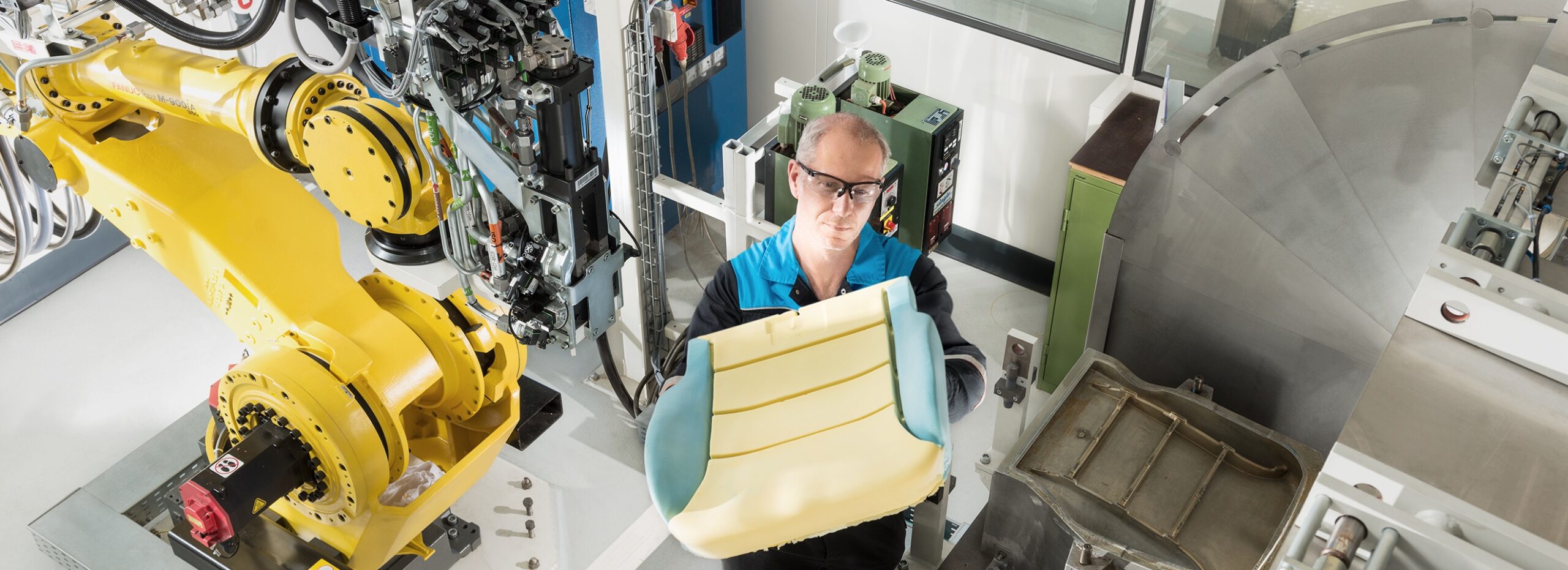
Moulded Polyurethane Foam: A Versatile Material for Modern Products
Moulded polyurethane (PU) foam is a flexible material made by reacting polyurethane-forming chemicals inside a shaped mould. The foam expands and takes the form of the mould, producing parts with defined contours, thickness and surface details. Its ability to combine cushioning, support and design flexibility has made it useful across many industries.
How It Is Made
In a typical process, liquid foam components are mixed and dispensed into a mould. The mixture reacts, expands and cures into a solid foam part. Depending on the product, the mould may be heated, and the finished component may undergo trimming, finishing or other processing.
Formulations and process settings can be adjusted to achieve different characteristics, including density, firmness, resilience and resistance to compression. The mould itself helps determine the component’s shape and dimensions.
Key Characteristics
- Design flexibility: Foam can be formed into complex shapes and contoured surfaces.
- Cushioning and support: Different formulations can provide a range of softness and firmness.
- Light weight: Moulded foam can offer cushioning without adding substantial weight to a product.
- Part integration: Features such as channels, recesses and varying thicknesses can often be incorporated into the moulded design.
- Customisable performance: Formulation and mould design can be selected to suit a product’s intended use.
Common Applications
Moulded PU foam is used in products where shaped cushioning, comfort or support is required. Common applications include:
- Automotive seating, headrests and armrests
- Office, domestic and institutional furniture
- Mattresses and specialised bedding products
- Footwear components and protective padding
- Packaging and equipment cushioning
- Seating and support products for commercial and public spaces
The appropriate foam type depends on the application. A vehicle seat, for example, may require different support and durability characteristics from a furniture cushion or protective insert.
Choosing the Right Foam
When specifying moulded foam, manufacturers and product designers should consider the part’s purpose, expected loads, shape, operating environment and service life. Important factors may include density, firmness, compression behaviour, resilience, comfort and dimensional requirements. The finished component should also be assessed as part of the complete product, since covers, adhesives, frames and other materials can affect performance.
Designers should work with experienced foam suppliers to select a suitable formulation and moulding process. Testing under relevant conditions can help confirm that the component meets the product’s performance and safety requirements.
Manufacturing and Sustainability Considerations
Efficient mould design and process control can help reduce defects and material waste. Manufacturers can also review the use of production offcuts, energy consumption, chemical handling and end-of-life options. The availability of recycling or recovery routes varies by foam type, product construction and local infrastructure, so these factors should be considered early in product design.
Safe production requires appropriate controls for chemical storage, handling, ventilation and worker training. Finished products should be manufactured and tested in line with the regulations and standards applicable to their intended market and use.
Conclusion
Moulded polyurethane foam offers a practical combination of shape flexibility, cushioning and support. Its performance can be tailored to a wide range of products, from vehicle interiors to furniture and protective applications. Careful material selection, thoughtful design and responsible manufacturing help ensure that moulded foam components meet the needs of both producers and end users.
Top 5 Benefits of Moulded Polyurethane Foam
- Offers excellent cushioning and comfort.
- Can be moulded into complex shapes.
- Available in a range of firmness levels.
- Lightweight yet supportive.
- Suitable for many applications, from furniture to automotive seating.
Drawbacks of Moulded Polyurethane Foam: Recycling Challenges, UV Degradation and Chemical Handling Risks
- Can be difficult to recycle.
- May degrade with prolonged UV exposure.
- Production requires careful chemical handling.
Offers excellent cushioning and comfort.
Moulded polyurethane foam offers excellent cushioning and comfort by helping distribute pressure evenly across the body. Its firmness and resilience can be tailored to suit different applications, providing a supportive feel while adapting to the contours of the user. This makes it a popular choice for seating, mattresses, headrests and other products designed for everyday comfort.
Can be moulded into complex shapes.
Moulded polyurethane foam can be formed into complex shapes, contours and designs to suit a product’s specific requirements. This allows manufacturers to create components with features such as curves, recesses and varying thicknesses, while combining comfort, support and functionality in a single part.
Available in a range of firmness levels.
Moulded polyurethane foam is available in a range of firmness levels, making it easy to select a suitable feel and level of support for different applications. Softer grades can provide cushioning and comfort, while firmer grades offer greater support and shape retention. This versatility makes the material suitable for products such as furniture, mattresses, vehicle seating and protective padding.
Lightweight yet supportive.
Moulded polyurethane foam is lightweight yet supportive, making it a practical choice for products that need comfort without unnecessary bulk. Its cellular structure helps cushion the body while providing support tailored to the application. This balance can make products such as vehicle seats, furniture and protective padding easier to handle and more comfortable to use.
Suitable for many applications, from furniture to automotive seating.
Moulded polyurethane foam is suitable for a wide range of applications, from comfortable cushioning in sofas and chairs to supportive seating in cars and other vehicles. Its shape and firmness can be tailored to meet the needs of each product, making it a versatile choice for furniture and automotive manufacturers alike.
Can be difficult to recycle.
Moulded polyurethane foam can be difficult to recycle because it is often made from thermoset polymers, which do not melt and reshape easily like some other plastics. Components may also be bonded to fabrics, adhesives, frames or other materials, making separation more challenging. Recycling options depend on the foam type and local facilities, so some moulded foam products may be sent for energy recovery or disposal instead. Designing products for easier disassembly and exploring suitable recovery options can help reduce this challenge.
May degrade with prolonged UV exposure.
Prolonged exposure to ultraviolet (UV) radiation from sunlight can cause moulded polyurethane foam to deteriorate over time. Depending on the foam formulation and exposure conditions, this may lead to discolouration, surface damage or reduced performance. Protective coverings, coatings or limiting direct sunlight can help reduce UV-related degradation.
Production requires careful chemical handling.
The production of moulded polyurethane foam requires careful handling of the chemicals used in the process. Workers need appropriate training, protective equipment and well-ventilated work areas, while manufacturers must follow safe procedures for storage, mixing and disposal. These precautions are essential to reduce the risk of exposure and support a safe production environment.