
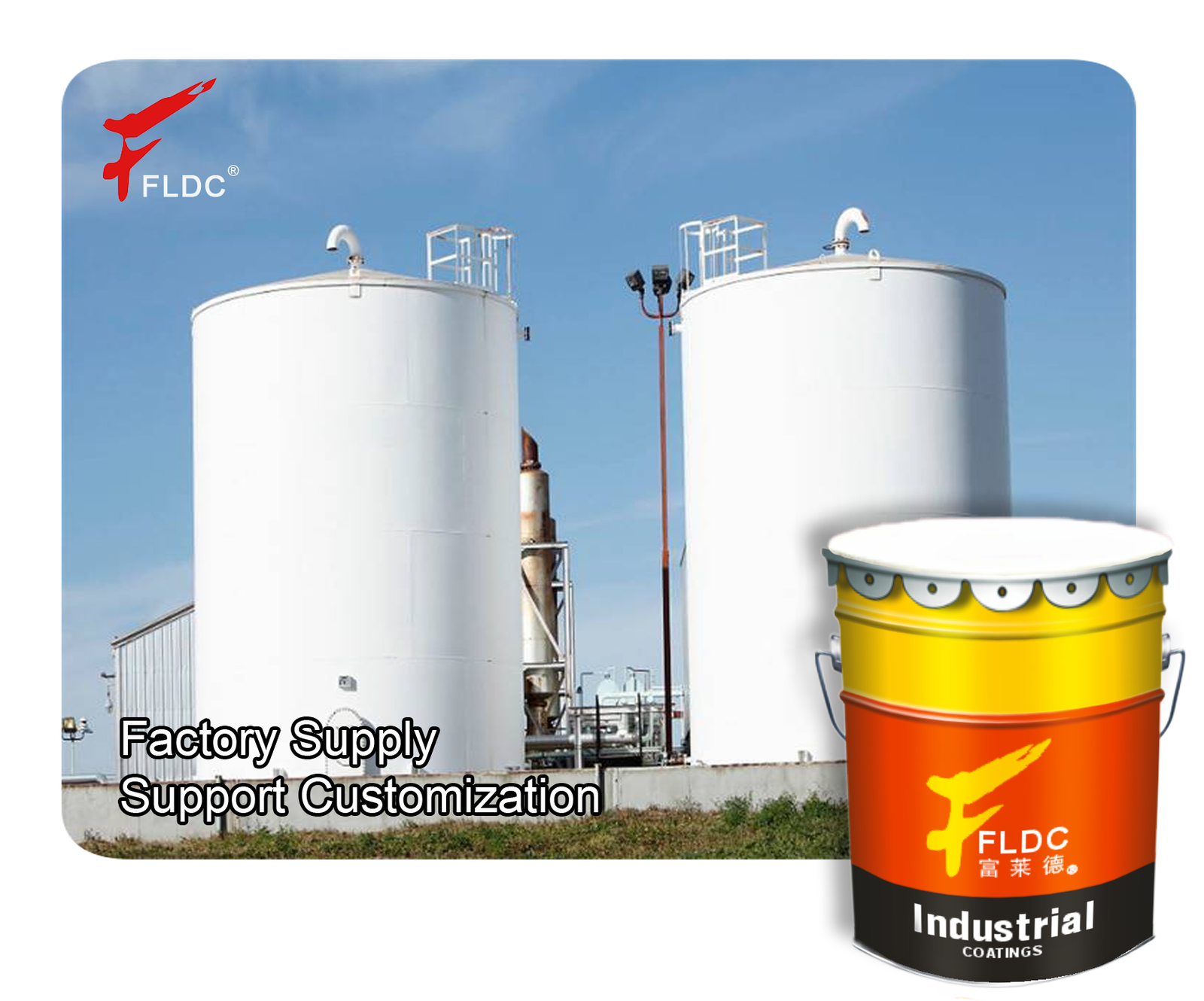
Acrylic Polyurethane: A Durable, Versatile Coating
Acrylic polyurethane is a family of coatings that combines the appearance and weathering performance associated with acrylics with the toughness and chemical resistance of polyurethane. It is used to protect and finish surfaces in applications ranging from vehicles and machinery to buildings, furniture and industrial equipment.
What Is Acrylic Polyurethane?
The term “acrylic polyurethane” can describe more than one type of product. In many two-component coatings, an acrylic resin reacts with a polyurethane-forming component, commonly an isocyanate hardener. The chemical reaction creates a cross-linked film that can offer strong adhesion, durability and resistance to wear.
There are also water-based acrylic polyurethane products, including polyurethane-modified acrylic dispersions. Their formulations and performance vary, so it is important to check the product’s technical data sheet rather than assume that every coating sold under this name has the same composition or properties.
Key Properties
- Weather and UV resistance: Many formulations retain their colour and gloss well when exposed to sunlight and outdoor conditions.
- Durability: The cured coating can resist abrasion, impact and general wear.
- Chemical resistance: Depending on the formulation, it can withstand exposure to oils, fuels, cleaning agents and other chemicals.
- Appearance: Products are available in a range of colours and finishes, including gloss, semi-gloss and matt.
- Versatility: Coatings can be developed for different substrates and performance requirements.
These characteristics depend on the resin, hardener, pigments, application method and curing conditions. No single product will provide the same level of performance in every environment.
Common Applications
Acrylic polyurethane coatings are used as protective or decorative finishes on suitably prepared surfaces. Common applications include:
- Automotive and commercial vehicle components
- Industrial machinery and equipment
- Metal structures, tanks and fabricated products
- Furniture and selected wood surfaces
- Concrete floors and other building surfaces, where the product is specifically designed for that use
Before selecting a coating, confirm that it is compatible with the substrate and intended service conditions. A coating intended for metal, for example, may not be suitable for concrete or wood without an appropriate primer and preparation system.
Application and Curing
Good results begin with surface preparation. The surface should be clean, dry and free from oil, dust, rust, loose paint and other contaminants. Depending on the substrate, preparation may involve abrasion, cleaning, priming or other treatment.
Two-component products must be mixed in the proportions specified by the manufacturer. Observe the stated induction time, pot life, application thickness and recoating interval. Temperature and humidity can affect application and curing, so work within the conditions given in the product documentation. Allow the coating to cure fully before exposing it to heavy use or chemicals.
Safety and Environmental Considerations
Some two-component polyurethane coatings contain isocyanates, which can pose serious health risks if inhaled or contacted with skin. Follow the safety data sheet and use the specified protective equipment, ventilation and application controls. Spray application may require specialised respiratory protection and trained operators. Do not rely on a general-purpose mask unless the product instructions specifically identify it as suitable.
Water-based products may reduce solvent emissions compared with some solvent-based alternatives, but they are not automatically free from hazards. Check the product’s safety data sheet, comply with local requirements and handle waste responsibly.
Choosing the Right Product
When comparing acrylic polyurethane coatings, consider the substrate, indoor or outdoor exposure, required gloss and colour retention, chemical contact, abrasion demands, application equipment and curing time. Review the technical and safety data sheets, and consult the coating supplier where conditions are demanding or unusual. Correct product selection, preparation and application are essential to achieving a durable finish.
Conclusion
Acrylic polyurethane coatings can provide an attractive finish with a useful balance of durability, weather resistance and chemical performance. Their suitability depends on the specific formulation and how it is applied. Careful product selection, proper surface preparation and safe handling are key to achieving reliable results.
7 Essential Tips for Applying Acrylic Polyurethane
- Clean and dry the surface before application.
- Follow the product’s mixing ratio and instructions.
- Stir gently to avoid trapping air bubbles.
- Apply thin, even coats with a suitable brush or spray.
- Allow each coat to dry fully before recoating.
- Work in a well-ventilated area and wear protective gear.
- Test the finish on a small area first.
Clean and dry the surface before application.
Before applying acrylic polyurethane, ensure the surface is clean and completely dry. Remove dust, grease, loose paint and other contaminants, as these can affect adhesion and leave an uneven finish. Follow the product instructions for any additional surface preparation, such as sanding or priming, and allow the surface to dry fully before coating.
Follow the product’s mixing ratio and instructions.
Always follow the product’s specified mixing ratio and instructions when preparing acrylic polyurethane. Measure each component accurately and mix thoroughly, as incorrect proportions can affect application, curing, adhesion and the coating’s final performance. Also observe the recommended pot life, application conditions and safety guidance on the product label and technical data sheet.
Stir gently to avoid trapping air bubbles.
Stir acrylic polyurethane gently and steadily before use to ensure the components are evenly mixed. Avoid vigorous stirring, which can trap air bubbles in the coating and leave pinholes or an uneven finish after application.
Apply thin, even coats with a suitable brush or spray.
Apply acrylic polyurethane in thin, even coats using a brush or spray equipment suitable for the product and surface. Avoid applying a heavy coat, as it may lead to runs, an uneven finish or slower drying. Follow the manufacturer’s instructions for application, drying time and any light sanding required between coats.
Allow each coat to dry fully before recoating.
Allow each coat of acrylic polyurethane to dry fully before applying the next one. Recoating too soon can trap moisture or solvents, leading to a tacky finish, uneven appearance or reduced durability. Follow the drying and recoat times on the product label, as these can vary with temperature, humidity, ventilation and the coating formulation.
Work in a well-ventilated area and wear protective gear.
When applying acrylic polyurethane, work in a well-ventilated area to reduce exposure to fumes and airborne particles. Wear the protective gear specified in the product’s safety data sheet, such as suitable gloves, eye protection and respiratory protection. Follow the manufacturer’s instructions, particularly when spraying or using a two-component product, as ventilation alone may not provide adequate protection.
Test the finish on a small area first.
Before applying acrylic polyurethane to the entire surface, test it on a small, inconspicuous area first. This helps check that the coating is compatible with the material and gives the expected colour, sheen and finish. Allow the test patch to dry and cure as directed, then inspect it before proceeding with the full application.