
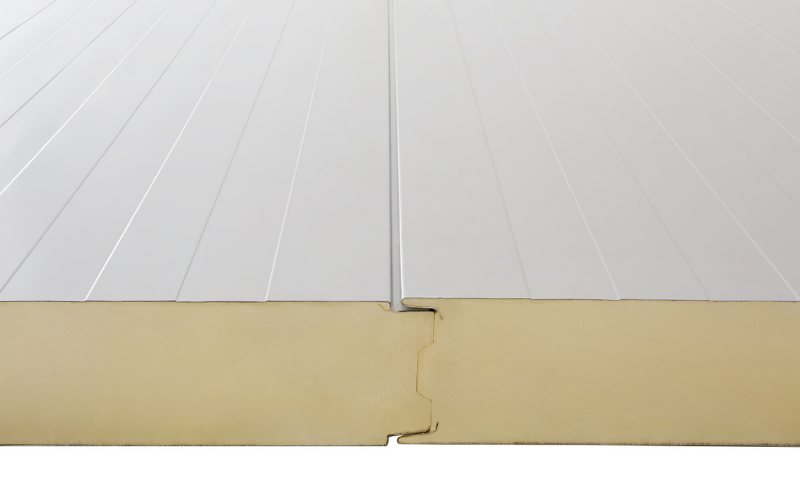
Polyurethane Sandwich Panels: A Practical Guide
Polyurethane sandwich panels are lightweight building panels designed to provide insulation and structural support in one product. They are widely used in commercial, industrial and agricultural buildings where temperature control, quick installation and efficient use of space are important.
What Is a Polyurethane Sandwich Panel?
A sandwich panel typically consists of three layers: two outer facings and an insulating core between them. The facings are often made from pre-painted or galvanised steel, while the core is usually polyurethane (PUR) or polyisocyanurate (PIR) foam. The layers are bonded together during manufacture to form a rigid panel.
The combination of strong facings and a lightweight insulating core gives the panel useful thermal and structural properties. Panels are available in different thicknesses, profiles and finishes to suit specific building requirements.
PUR and PIR: What Is the Difference?
PUR and PIR are related types of rigid foam insulation. Both can provide effective thermal insulation. PIR panels are generally selected where improved fire performance is required compared with standard PUR products. However, neither should be considered fireproof. Performance depends on the complete panel system, including its facings, joints, supports and installation. Always check test reports and applicable building requirements for the specific product.
Key Benefits
- Thermal insulation: The foam core helps reduce heat transfer through walls and roofs, supporting more stable indoor temperatures.
- Lightweight construction: Panels are easier to handle than many conventional wall and roof assemblies, which can help simplify transport and installation.
- Fast installation: Factory-made panels can be fitted on site, helping shorten construction timelines when the supporting structure and installation plan are ready.
- Space efficiency: Their insulating performance can be achieved with relatively slim panel sections, helping preserve usable floor area.
- Weather protection: Properly designed profiles and sealed joints can help protect the building from rain and wind.
- Consistent finish: Factory-coated metal facings are available in a range of colours and profiles, offering a neat external appearance.
Common Applications
Polyurethane sandwich panels are used in a range of settings, including:
- Cold rooms, freezers and temperature-controlled warehouses
- Food processing and pharmaceutical facilities
- Factories, workshops and industrial buildings
- Warehouses, distribution centres and logistics facilities
- Commercial buildings and site offices
- Agricultural buildings and storage areas
For cold-storage applications, the panel thickness, joint design and installation quality are especially important. Doors, floors, corners and service penetrations also need careful attention to maintain the required temperature and limit condensation.
Choosing the Right Panel
Panel selection should be based on the building’s intended use, local climate, temperature requirements and relevant regulations. Consider the following factors before placing an order:
- Core type and thickness: Choose a specification that meets the required thermal performance and operating conditions.
- Facing material and finish: Select suitable metal thickness, coating and colour for the location and expected exposure.
- Fire performance: Review independently tested fire data for the exact panel system and confirm that it meets project and local requirements.
- Panel profile and span: Check that the panel is suitable for the proposed supports, loads and installation orientation.
- Joint and fixing details: Compatible flashings, fasteners and seals are important for weather resistance and thermal continuity.
- Corrosion exposure: Coastal, humid or chemically aggressive environments may require a specially selected facing and coating.
Installation and Maintenance
Good installation is essential to the performance of a polyurethane sandwich panel system. Panels should be stored and handled in line with the manufacturer’s instructions to prevent damage to the facings and edges. During installation, the supporting structure must be suitably aligned, and the specified fasteners, seals and flashings should be used.
Joints and penetrations should be carefully finished to reduce water ingress, air leakage and thermal bridging. Periodic inspection can help identify damaged coatings, loose fasteners, failed sealants or signs of moisture. Any repairs should follow the panel manufacturer’s recommendations.
Environmental Considerations
By reducing heat transfer, insulated panels can help lower the energy needed to maintain indoor temperatures. The actual savings depend on the building design, equipment, operating schedule, weather and quality of installation. The panels’ service life, repairability and end-of-life handling should also be considered when assessing environmental impact. Project teams can ask suppliers about material declarations, recycling options and responsible disposal.
Conclusion
Polyurethane sandwich panels offer an integrated solution for insulation and building enclosure needs. Their performance depends not only on the foam core, but also on the facings, panel design, supporting structure and quality of installation. Comparing technical data and selecting a system suited to the project can help deliver a durable, comfortable and energy-conscious building.
5 Key Benefits of Polyurethane Sandwich Panels
- Excellent thermal insulation
- Lightweight and easy to handle
- Quick installation
- Durable, weather-resistant finish
- Suitable for cold rooms and warehouses
6 Disadvantages of Polyurethane Sandwich Panels
- Can cost more than some conventional cladding options.
- May dent if the metal facings are thin.
- Poorly sealed joints can allow moisture ingress.
- Fire performance varies by panel and system.
- Repairs can be difficult if the core is damaged.
- Disposal and recycling can be challenging.
Excellent thermal insulation
Polyurethane sandwich panels provide excellent thermal insulation because their rigid foam core helps limit heat transfer between the inside and outside of a building. This can help maintain more stable indoor temperatures, reduce the workload on heating and cooling systems, and support lower energy use. The level of performance depends on the panel’s thickness, design and installation, including how well joints and openings are sealed.
Lightweight and easy to handle
Polyurethane sandwich panels are lightweight compared with many conventional building materials, making them easier to transport, lift and position on site. Their manageable weight can simplify installation, reduce handling effort and help speed up construction. It may also allow designers to use lighter supporting structures, subject to the project’s engineering requirements.
Quick installation
Polyurethane sandwich panels are manufactured in ready-to-install sections, helping speed up construction on site. Their lightweight design makes them easier to handle, while interlocking joints and compatible fixings can simplify assembly. With careful planning and proper installation, they can reduce on-site labour and help projects reach completion sooner than conventional multi-layer wall or roof systems.
Durable, weather-resistant finish
Polyurethane sandwich panels are designed with durable outer facings that help withstand everyday exposure to rain, wind and changing temperatures. Their protective coatings can also help resist corrosion, fading and surface wear when selected for the site conditions. With suitable detailing, installation and periodic maintenance, the panels can retain their appearance and provide reliable weather protection for many years.
Suitable for cold rooms and warehouses
Polyurethane sandwich panels are well suited to cold rooms and warehouses because their insulating core helps limit heat transfer and maintain a more stable indoor temperature. This can support the storage of temperature-sensitive goods and reduce the workload on refrigeration or climate-control equipment. With suitable panel thickness, well-sealed joints and proper installation, they can also help minimise air leakage and condensation, making them a practical choice for cold-storage facilities and distribution centres.
Can cost more than some conventional cladding options.
One potential drawback of polyurethane sandwich panels is their upfront cost, which can be higher than that of some conventional cladding options. The final price depends on factors such as panel thickness, facing material, finish and installation requirements. When comparing options, consider the overall project cost, including installation, insulation needs, maintenance and energy use over the building’s lifetime.
May dent if the metal facings are thin.
Polyurethane sandwich panels may dent if their metal facings are thin, particularly when exposed to impact during handling, installation or everyday use. Dents can affect the panel’s appearance and, in some cases, damage the coating or compromise protection against moisture. Choosing a suitable facing thickness and handling panels carefully can help reduce this risk.
Poorly sealed joints can allow moisture ingress.
Poorly sealed joints can allow moisture to enter a polyurethane sandwich panel system, particularly around panel connections, corners and service openings. Over time, trapped moisture may damage facings or adjacent materials, reduce insulation performance and encourage corrosion or mould growth in surrounding components. Correct installation, compatible sealants and regular inspection help maintain a weather-resistant barrier.
Fire performance varies by panel and system.
Fire performance can vary considerably between polyurethane sandwich panels, depending on the core type, facings, thickness, joints and overall installation. A panel’s performance should therefore not be judged by its material name alone; test results for the complete panel system are more relevant. Before specifying or installing panels, check the manufacturer’s fire-test documentation and confirm that the product meets applicable building regulations and project requirements.
Repairs can be difficult if the core is damaged.
Repairing a polyurethane sandwich panel can be difficult if its foam core is damaged. The core is enclosed between the outer facings, so damage may not be easy to assess or reach, and a simple surface repair may not restore the panel’s insulation or structural performance. Depending on the extent and location of the damage, specialist repair work or replacement of the affected panel may be necessary.
Disposal and recycling can be challenging.
Disposal and recycling of polyurethane sandwich panels can be challenging because the foam core is bonded firmly to the metal facings, making the materials difficult to separate. As a result, panels may not be accepted by all recycling facilities and could end up in landfill if suitable recovery options are unavailable. Planning for responsible end-of-life handling, and checking local recycling services and supplier take-back schemes, can help reduce this impact.