
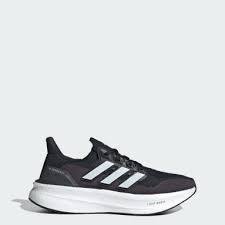
Shoes: Comfort, Protection and Style
Shoes are an essential part of everyday life. They protect the feet, provide support while walking and help people take part comfortably in work, sport and leisure activities. From traditional footwear to modern trainers and formal shoes, there is a wide variety of styles to suit different needs and occasions.
A Brief History of Shoes
People have worn footwear for thousands of years to protect their feet from rough ground, heat and cold. Early shoes were often made from natural materials such as leather, plant fibres and wood. Over time, advances in design and manufacturing introduced new shapes, fastenings and materials. Today, shoes combine practical features with fashion and specialist technology.
Common Types of Shoes
- Everyday shoes: Designed for regular use, these may include flats, slip-ons and casual lace-up styles.
- Sports shoes: Trainers and other athletic footwear are made for activities such as running, walking, gym training and court sports.
- Formal shoes: Often worn for work, ceremonies and special occasions, these include classic leather styles and dress shoes.
- Sandals and slippers: Open designs that are popular in warm weather and for relaxed, everyday wear.
- Work and safety shoes: Built for specific environments, they may include features such as reinforced toes, slip-resistant soles or water-resistant materials.
Materials and Construction
A shoe is generally made up of an upper, a lining, an insole and an outsole. The upper covers the foot, while the sole provides cushioning, grip and protection from the ground. Materials vary according to a shoe’s purpose and price. Leather, textiles, synthetic fabrics, rubber and foam are commonly used. Some designs combine several materials to balance durability, flexibility, breathability and comfort.
Choosing the Right Shoes
The best shoes are suited to both the activity and the wearer’s feet. When shopping, consider the following:
- Check that there is enough room for the toes to move comfortably.
- Look for a secure fit around the heel, without slipping or rubbing.
- Choose cushioning and support that suit the intended activity.
- Consider the surface and conditions in which the shoes will be worn.
- Try shoes on with the type of socks you plan to wear, preferably later in the day when feet may be slightly larger.
A shoe that looks attractive may not be a good fit. Discomfort, persistent rubbing or pain can be signs that a different size or style is needed.
Care and Maintenance
Regular care can help shoes last longer. Remove dirt after use, allow damp footwear to dry naturally and follow the manufacturer’s cleaning instructions. Avoid placing shoes close to direct heat, as this may damage some materials. Using suitable shoe trees or storing footwear in a dry, well-ventilated place can also help maintain its shape.
More Sustainable Footwear Choices
Footwear production uses materials and resources, so thoughtful choices can make a difference. Buying durable shoes, repairing them when practical and donating or recycling usable pairs can help reduce waste. Some brands also offer footwear made with recycled or responsibly sourced materials. Checking product information can help shoppers understand how a shoe is made.
Conclusion
Shoes serve an important purpose beyond completing an outfit. A well-chosen pair can protect the feet, support everyday movement and suit a particular activity or occasion. By considering fit, function, materials and care, shoppers can make footwear choices that are comfortable, practical and long-lasting.
Top 5 Benefits of Wearing Shoes
- Protects feet from injury and dirt.
- Provides comfort while walking.
- Supports feet during daily activities.
- Suits a range of occasions and styles.
- Offers grip on different surfaces.
5 Drawbacks of Shoes: Poor Fit, Inadequate Support, Heat Discomfort, High Costs and Wear and Tear
- Poorly fitting shoes can cause blisters.
- Some shoes offer inadequate foot support.
- Shoes can feel uncomfortable in hot weather.
- Quality footwear can be expensive.
- Shoes wear out and need replacing.
Protects feet from injury and dirt.
Shoes help protect the feet from injury and dirt during everyday activities. Their soles act as a barrier against rough surfaces, sharp objects and hot ground, while the upper helps keep dust, mud and other debris away from the skin. Choosing well-fitting shoes suited to the activity can provide added protection and comfort.
Provides comfort while walking.
A well-designed shoe provides comfort while walking by cushioning each step and supporting the feet. A good fit can help reduce pressure and friction, making it easier to walk for longer periods. Breathable materials and flexible soles can add to the comfort, whether you are commuting, working or enjoying a leisurely stroll.
Supports feet during daily activities.
A well-designed pair of shoes supports the feet during daily activities such as walking, standing and commuting. Cushioning helps absorb impact, while a supportive sole can provide stability and comfort throughout the day. Choosing shoes that fit properly and suit the activity can help reduce discomfort and make everyday movement easier.
Suits a range of occasions and styles.
Shoes suit a wide range of occasions and personal styles. From comfortable trainers for everyday outings to formal shoes for work or celebrations, there is a design for almost every need. Colours, materials and details also make it easy to choose footwear that complements an outfit, whether the look is traditional, contemporary or casual.
Offers grip on different surfaces.
Shoes with well-designed soles offer better grip on different surfaces, helping reduce the chance of slipping while walking or running. Tread patterns and materials such as rubber can provide traction on pavements, floors and uneven paths. The right grip also depends on the shoe’s design and the conditions in which it is worn, so choosing footwear suited to the activity can support safer, steadier movement.
Poorly fitting shoes can cause blisters.
Poorly fitting shoes can cause blisters when they rub repeatedly against the skin, especially around the heel and toes. Shoes that are too tight, too loose or stiff may create friction during walking, leading to painful, fluid-filled spots. Choosing the correct size, wearing comfortable socks and breaking in new shoes gradually can help reduce the risk.
Some shoes offer inadequate foot support.
Some shoes offer inadequate foot support, which can make walking or standing uncomfortable, especially over long periods. A lack of cushioning or a poorly designed sole may leave the feet feeling tired and sore. Choosing shoes that fit well and provide suitable support for the activity can help improve comfort.
Shoes can feel uncomfortable in hot weather.
Shoes can feel uncomfortable in hot weather, particularly when they are made from thick or non-breathable materials. Heat and sweat may build up inside, leaving the feet feeling warm, damp and irritated. Choosing lightweight, breathable footwear and wearing moisture-wicking socks can help improve comfort during warmer days.
Quality footwear can be expensive.
Quality footwear can be expensive, especially when it is made from durable materials or designed to provide specialist support. This cost may be difficult for people on a tight budget, even though well-made shoes can last longer than cheaper alternatives. Comparing prices, looking for discounts and choosing a versatile pair for regular use can help make the purchase more affordable.
Shoes wear out and need replacing.
Shoes wear out with regular use, as the soles lose grip and cushioning and the materials may become damaged. This can make them less comfortable and supportive, so they eventually need replacing. Buying new shoes can be an ongoing expense, particularly for people who rely on specialised footwear or use their shoes every day.