
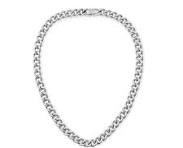
Chains: Types, Uses and How to Choose the Right One
A chain is a series of connected links designed to hold, pull, lift, secure or transfer movement. Chains are used in homes, workshops, construction sites, transport, agriculture and many industries. Their strength and versatility make them useful for demanding tasks, but choosing the right chain is essential for safety and reliable performance.
How a Chain Works
Most chains are made from individual links connected in a continuous sequence. The links spread a load across the chain, while their shape and size affect its flexibility and strength. Chains may be made from metal, plastic or other materials, depending on their intended use.
Common Types of Chains
- Link chains: General-purpose chains used for securing objects, barriers and light-duty applications.
- Welded chains: Chains with links joined by welding, commonly used for lifting, towing and industrial work.
- Roller chains: Mechanical chains that transfer power between sprockets. They are widely used in bicycles, motorcycles and machinery.
- Conveyor chains: Designed to move materials or products through production and handling systems.
- Anchor chains: Heavy-duty chains used to connect a vessel to its anchor.
- Plastic chains: Lightweight chains used for crowd control, temporary barriers and visual marking.
Materials and Finishes
Steel is a common chain material because of its strength and durability. Stainless steel offers better resistance to corrosion and is often used in wet or hygienic environments. Galvanised chains have a protective zinc coating that helps reduce rust. Plastic chains are lightweight and do not rust, but they are generally unsuitable for heavy loads.
The material and finish should suit the working environment. Exposure to moisture, chemicals, heat or abrasive substances can affect a chain’s condition and service life.
Choosing a Chain
Before selecting a chain, consider what it needs to do. A chain for lifting must be designed and rated for lifting, while a chain intended for fencing or decoration should not be used to support heavy loads. Check the following factors:
- Purpose: Identify whether the chain is for lifting, securing, conveying, driving machinery or marking a boundary.
- Load rating: Confirm that the chain’s rated capacity is suitable for the load and application.
- Environment: Consider moisture, chemicals, temperature and exposure to the elements.
- Dimensions: Check the link size, chain length and compatibility with hooks, sprockets or other fittings.
- Standards and certification: For safety-critical applications, choose products that meet relevant standards and come with appropriate documentation.
Safe Use and Maintenance
Inspect chains regularly for cracks, stretched or bent links, excessive wear, corrosion and damaged fittings. Remove a chain from service if it shows signs of damage or if its history and capacity are unknown. Never exceed its rated load, and use suitable hooks and connectors.
Keep chains clean and store them in a dry place when possible. Follow the manufacturer’s instructions for lubrication, inspection and maintenance. Lifting and rigging work should be carried out by trained personnel using equipment intended for that purpose.
Conclusion
Chains range from simple barrier links to precision components used in machinery and heavy lifting. Understanding their materials, design and load rating helps ensure that the right chain is used for each task. With proper selection, inspection and care, a chain can provide dependable service across a wide range of applications.
9 Key Benefits of Chains for Industrial and Everyday Use
- Strong and durable
- Versatile for many uses
- Reliable for securing loads
- Useful for lifting and pulling
- Transfers power efficiently
- Available in corrosion-resistant materials
- Easy to inspect
- Reusable with proper care
- Suitable for industrial and everyday applications
Disadvantages of Chains: Corrosion, Injury Risks and Failure Under Heavy Loads
- Chains can rust or corrode in damp conditions.
- They may cause injury if handled carelessly.
- Worn chains can fail under heavy loads.
Strong and durable
Chains are valued for being strong and durable, making them suitable for tasks that require reliable support or repeated use. When made from appropriate materials such as steel, a well-designed chain can withstand substantial loads and resist wear over time. Choosing the right chain for the job and maintaining it properly helps preserve its strength and extend its service life.
Versatile for many uses
One of the key advantages of a chain is its versatility. Depending on its design and material, it can be used to secure gates, lift or tow loads, drive machinery, move products along a conveyor or mark off an area. This wide range of applications makes chains a practical choice for homes, workshops and industrial settings. Choosing a chain designed for the specific task helps ensure safe and reliable use.
Reliable for securing loads
Chains are a reliable choice for securing loads during transport or storage. Their strong, interlinked construction helps hold heavy or bulky items firmly in place, while suitable hooks and tensioners can help prevent movement. Choosing a chain with the correct load rating and checking it for wear or damage before use are essential for safe and dependable load restraint.
Useful for lifting and pulling
Chains are useful for lifting and pulling because their linked construction can handle substantial loads when the chain is designed and rated for the task. They are used with suitable hoists, cranes, winches and towing equipment to move heavy objects in industries such as construction, manufacturing and transport. Choosing the correct chain and fittings, checking their load ratings and inspecting them for wear or damage are essential for safe operation.
Transfers power efficiently
A chain transfers power efficiently by linking sprockets and carrying motion from one shaft to another with minimal slipping. This positive engagement helps maintain a steady speed ratio, even when the shafts are some distance apart. As a result, chains are widely used in bicycles, motorcycles and industrial machinery where reliable power transmission is important.
Available in corrosion-resistant materials
Chains are available in corrosion-resistant materials, such as stainless steel, making them suitable for use in damp, outdoor or demanding environments. Their resistance to rust and corrosion can help maintain strength and appearance over time, reduce maintenance needs and extend service life.
Easy to inspect
Chains are generally easy to inspect because their links are visible along their length, making it simple to check for cracks, rust, bending, stretching or excessive wear. Regular visual inspections can help identify damage early, so a chain can be repaired or replaced before it becomes unsafe.
Reusable with proper care
One of the key advantages of a chain is that it can be reused many times with proper care. Regular inspection, cleaning and suitable storage help prevent rust, wear and damage, extending its service life and reducing the need for frequent replacements. Always check that the chain is in good condition and suitable for the intended task before reusing it.
Suitable for industrial and everyday applications
Chains are versatile enough to serve both demanding industrial tasks and everyday needs. In factories and workshops, heavy-duty chains can help lift loads, move materials and operate machinery, while lighter chains are useful at home for securing gates, hanging items or creating temporary barriers. Choosing a chain suited to the task ensures dependable performance, whether it is used on a worksite or around the house.
Chains can rust or corrode in damp conditions.
One drawback of chains is that they can rust or corrode when exposed to damp conditions, especially if they are made from untreated steel. Over time, corrosion can weaken the links, reduce the chain’s reliability and affect its appearance. Choosing a corrosion-resistant material, such as stainless steel, or a protective finish can help, along with keeping the chain clean and dry when possible.
They may cause injury if handled carelessly.
Chains can cause injuries if handled carelessly, as fingers, hands or clothing may get caught between the links. Heavy chains can also cause bruising or cuts if they slip, fall or are pulled suddenly. Handle chains with care, keep hands clear of moving links and wear suitable protective gloves when appropriate.
Worn chains can fail under heavy loads.
A worn chain can become a serious safety risk, as stretched, corroded or damaged links may fail when carrying a heavy load. Such a failure can cause injury, damage equipment or lead to costly delays. Regular inspection and timely replacement are essential, especially when a chain is used for lifting, towing or other load-bearing work.