
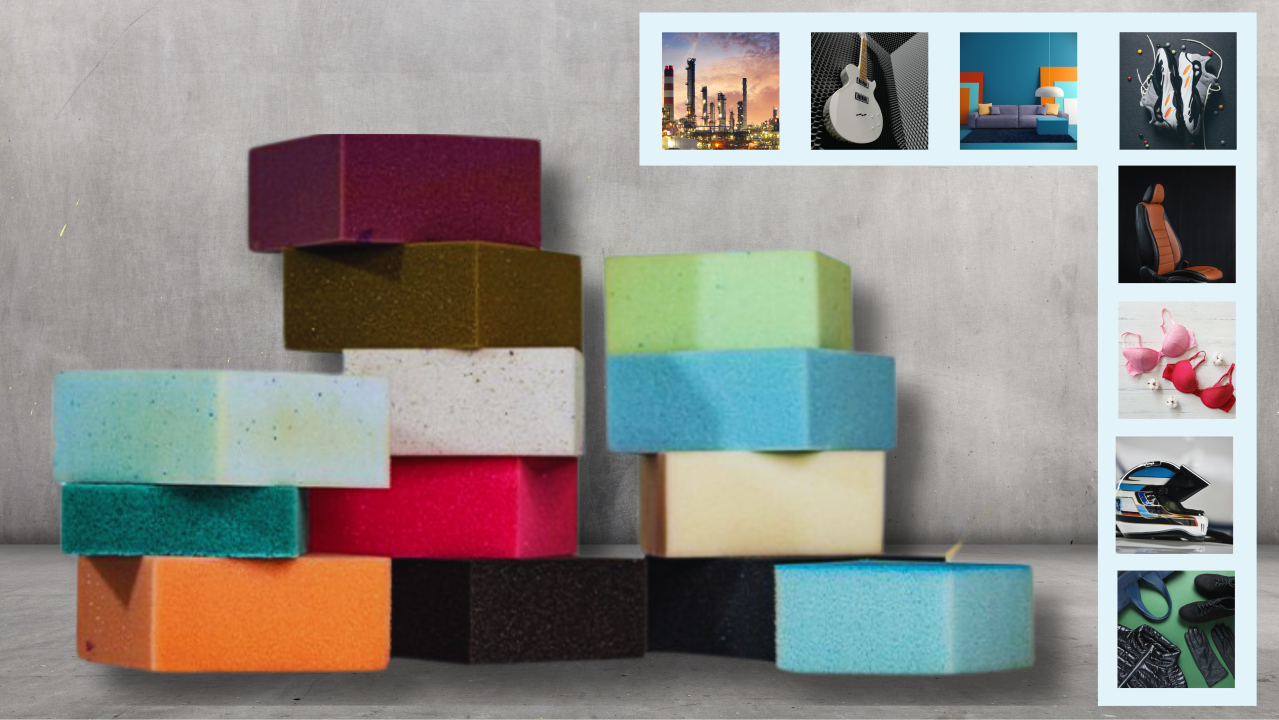
PU Solutions: Versatile Materials for a Changing India
Polyurethane, commonly known as PU, is a versatile material used in products and systems across many industries. It can be engineered in different forms, including flexible and rigid foams, elastomers, coatings, adhesives and sealants. This adaptability makes PU solutions useful in applications ranging from everyday comfort products to insulation and industrial components.
What makes polyurethane versatile?
PU is not a single material with one fixed set of properties. Its formulation can be adjusted to meet the requirements of a particular application. Depending on its design, it may offer cushioning, strength, flexibility, abrasion resistance, thermal insulation or protection against moisture and wear.
This flexibility allows manufacturers to select a PU solution based on how a product needs to perform, rather than relying on a one-size-fits-all material.
Where are PU solutions used?
- Buildings and construction: Rigid PU and related insulation systems can help reduce heat transfer in roofs, walls, cold rooms and refrigeration equipment.
- Furniture and bedding: Flexible PU foam is used in mattresses, seating and cushioning, where comfort and support are important.
- Automotive and transport: PU materials can be found in seating, interior components, coatings, seals and other parts designed to balance comfort, durability and weight.
- Footwear and apparel: PU can provide cushioning, flexibility and resistance to everyday wear in soles and other components.
- Industrial applications: PU elastomers, coatings, adhesives and sealants are used in applications that may require wear resistance, bonding, surface protection or flexibility.
- Appliances and cold-chain systems: Insulation made with PU can support temperature control in refrigerators, freezers, refrigerated transport and storage facilities.
Supporting energy efficiency and comfort
In buildings and appliances, insulation is an important part of managing energy use. Well-designed insulation can help maintain indoor temperatures and reduce the load on heating or cooling systems. The overall result depends on factors such as product design, installation quality, ventilation and how the building or appliance is used.
In furniture, bedding and transport, PU solutions can contribute to comfort by providing cushioning and support. In industrial settings, protective coatings and durable components can help products withstand demanding conditions.
Choosing the right PU solution
Selecting a PU material begins with understanding the application. Important considerations may include:
- Required performance, such as cushioning, insulation, flexibility or wear resistance
- Operating temperatures and exposure to moisture, chemicals or sunlight
- Expected service life and maintenance needs
- Applicable product, building and safety requirements
- Compatibility with other materials and manufacturing processes
- End-of-life options, including reuse, recovery or recycling where available
Working with qualified suppliers and technical specialists can help ensure that the chosen product is suitable for its intended use. Proper storage, handling, installation and maintenance are also essential to achieving the expected performance.
Responsible use and sustainability
Like all materials, PU solutions should be considered across their full life cycle—from the choice of raw materials and manufacturing methods to product use and end-of-life management. Longer-lasting products, efficient designs, reduced material waste and improved collection and recovery systems can all contribute to more responsible use.
Health and safety are important throughout production and installation. PU products should be handled according to the supplier’s instructions, product labels and applicable regulations. Where chemicals are used in manufacturing or application, appropriate training, ventilation and protective measures should be in place.
Looking ahead
As India’s needs evolve across housing, mobility, manufacturing, appliances and infrastructure, PU solutions can support the development of products designed for comfort, performance and efficiency. Continued innovation in material design, responsible production and end-of-life management will be important in making these solutions more effective and sustainable.
By matching the right polyurethane technology to the right application, businesses can make informed material choices and create products that serve people and industry more effectively.
9 Key Benefits of Polyurethane (PU) Solutions Across Applications
- Versatile for many applications
- Available in flexible and rigid forms
- Can provide effective thermal insulation
- Offers comfortable cushioning
- Can be engineered for durability
- Useful for lightweight product designs
- Supports diverse manufacturing needs
- Available in coatings, adhesives and sealants
- Can help improve energy efficiency in suitable applications
7 Key Drawbacks of Polyurethane (PU) Solutions
- Some PU products are difficult to recycle.
- Certain formulations rely on fossil-based raw materials.
- Production can involve hazardous chemicals.
- Poor handling may create health and safety risks.
- PU can degrade under prolonged UV exposure.
- Repairing damaged PU products can be difficult.
- Disposal may contribute to long-term waste.
Versatile for many applications
One of the key advantages of PU solutions is their versatility across a wide range of applications. Polyurethane can be formulated as flexible or rigid foam, elastomers, coatings, adhesives and sealants, with properties suited to specific needs. From cushioning in furniture and footwear to insulation in buildings and appliances, PU solutions can be tailored to deliver the right balance of comfort, durability, flexibility and performance.
Available in flexible and rigid forms
Polyurethane (PU) solutions are available in both flexible and rigid forms, making them suitable for a wide range of applications. Flexible PU can provide cushioning and comfort in products such as furniture, mattresses and vehicle seating, while rigid PU is valued for its strength and insulating properties in building panels, appliances and cold-storage systems. This versatility allows manufacturers to choose a form that best meets the needs of each product.
Can provide effective thermal insulation
PU solutions can provide effective thermal insulation, helping to slow the transfer of heat between spaces. This makes them useful in applications such as building roofs and walls, cold rooms, refrigerators and refrigerated transport. When correctly specified and installed, PU insulation can help maintain more stable temperatures and support energy efficiency. Actual performance depends on the product design, installation quality and conditions of use.
Offers comfortable cushioning
PU solutions offer comfortable cushioning by providing a supportive, resilient layer that helps absorb pressure and soften impact. Used in products such as mattresses, furniture, footwear and vehicle seating, PU can be formulated to suit different comfort and support requirements. Its cushioning properties help make everyday products more comfortable for regular use.
Can be engineered for durability
PU solutions can be engineered for durability to suit the demands of different applications. By tailoring the formulation and product design, manufacturers can develop materials that withstand wear, repeated use and challenging operating conditions. This can help products maintain their performance for longer and reduce the need for frequent replacement.
Useful for lightweight product designs
PU solutions are well suited to lightweight product designs, offering useful performance without adding unnecessary weight. Depending on the formulation, polyurethane can provide cushioning, strength, flexibility or insulation in a relatively light component. This can help manufacturers create products that are easier to handle and transport, while supporting efficient design across applications such as furniture, footwear, vehicles and appliances.
Supports diverse manufacturing needs
PU solutions support diverse manufacturing needs because polyurethane can be formulated in many forms, including flexible and rigid foams, elastomers, coatings, adhesives and sealants. Manufacturers can select or tailor a solution to suit specific requirements such as cushioning, insulation, durability, flexibility or surface protection. This versatility makes PU useful across sectors ranging from furniture and construction to automotive, footwear and industrial applications.
Available in coatings, adhesives and sealants
PU solutions are available as coatings, adhesives and sealants, making them useful across a wide range of applications. PU coatings can help protect surfaces from wear and weathering, while PU adhesives bond different materials securely. PU sealants help close gaps and joints, offering flexibility and protection against air and moisture. Together, these forms give manufacturers and builders practical options for enhancing product performance and durability.
Can help improve energy efficiency in suitable applications
PU solutions can help improve energy efficiency in suitable applications, particularly where effective thermal insulation is important. For example, PU insulation in buildings, refrigeration systems and cold storage can help reduce unwanted heat transfer and maintain more stable temperatures. This may lower the demand on heating or cooling equipment, depending on the design, installation and conditions of use.
Some PU products are difficult to recycle.
One limitation of some PU solutions is that they can be difficult to recycle, particularly when the material is bonded to other substances or made from complex, cross-linked structures. This can make separation and processing challenging, so certain products may have limited recycling options at the end of their useful life. Designing products for easier disassembly and improving collection and recycling systems can help address this challenge.
Certain formulations rely on fossil-based raw materials.
One limitation of some PU solutions is their reliance on fossil-based raw materials. This can contribute to greenhouse gas emissions and dependence on non-renewable resources across the supply chain. The extent varies by formulation, so it is useful to consider material composition and lifecycle impacts when comparing products. Research into renewable feedstocks and improved recycling methods may help reduce this dependence over time.
Production can involve hazardous chemicals.
One potential drawback of PU solutions is that their production can involve hazardous chemicals. These substances may pose risks to workers and the environment if they are not handled, stored and disposed of correctly. Following safety regulations, providing appropriate training and protective equipment, and using effective ventilation and waste-management practices are essential to reduce these risks.
Poor handling may create health and safety risks.
Polyurethane (PU) products and the chemicals used to manufacture or apply them require careful handling. Poor handling, inadequate ventilation or failure to follow product instructions may expose workers to hazardous substances and create health and safety risks. Appropriate training, protective equipment and safe work practices are essential, along with compliance with applicable safety requirements.
PU can degrade under prolonged UV exposure.
One limitation of PU solutions is that prolonged exposure to ultraviolet (UV) sunlight can cause some formulations to degrade. Over time, this may lead to discolouration, surface cracking or a loss of performance, particularly in outdoor applications. The extent of degradation depends on the PU type and exposure conditions. UV-resistant coatings, protective finishes or suitable coverings can help extend the material’s service life.
Repairing damaged PU products can be difficult.
One limitation of PU solutions is that repairing damaged products can be difficult. Depending on the type of polyurethane and the extent of the damage, a simple repair may not restore the product’s original strength, comfort or performance. Some items may require specialist materials or professional attention, while others may be more practical to replace. This can add to maintenance costs and make repair or reuse less straightforward.
Disposal may contribute to long-term waste.
Polyurethane products can contribute to long-term waste when they are discarded, as many are difficult to recycle and may persist in the environment. Foam, coatings and other PU materials can be especially challenging to separate from mixed products, limiting recovery options. Designing products for durability, reuse and easier recycling—and using suitable collection and waste-management systems—can help reduce their environmental impact.