
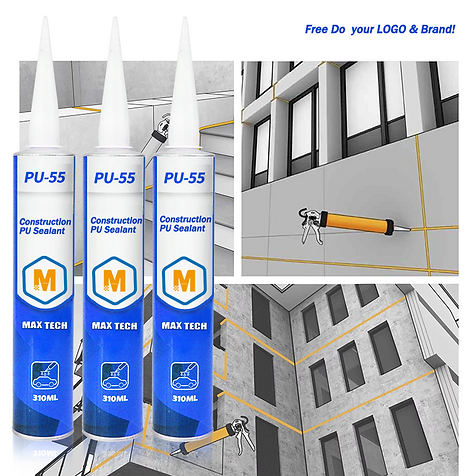
Urethane Adhesives: Uses, Benefits and Selection
Urethane adhesives, commonly known as polyurethane adhesives, are used to bond a wide range of materials in manufacturing, construction and repair. They are valued for combining strong adhesion with flexibility, making them suitable for applications where bonded parts may experience vibration, movement or changing temperatures.
What are urethane adhesives?
Urethane adhesives are formulated from polyurethane chemistry. Depending on the product, they may be supplied as a one-component adhesive or as a two-component system. One-component products typically cure through a reaction with moisture in the air or on the material surface. Two-component products use a resin and a hardener that are mixed before application.
Formulations vary considerably. Some are designed to remain flexible, while others cure to a firmer finish. The right choice depends on the materials being joined and the conditions the bond must withstand.
Key properties
- Flexibility: Many urethane adhesives can accommodate movement and help absorb vibration.
- Strong bonding: They can bond materials such as wood, metals, concrete, rubber, plastics and composites, subject to the product formulation and surface preparation.
- Resistance to impact: Their ability to form resilient bonds can be useful where parts face knocks or repeated stress.
- Environmental performance: Some products offer resistance to moisture, weathering, oils or temperature changes. Performance varies, so the technical data sheet should be checked.
- Gap filling: Certain formulations can bond uneven surfaces or fill small gaps, although this does not replace proper joint design.
Common applications
Urethane adhesives are used across many industries in India and worldwide. Typical applications include:
- Bonding and sealing panels, flooring and other building components
- Automotive assembly, including selected interior and exterior components
- Furniture, joinery and engineered wood products
- Footwear manufacturing and repair
- Bonding rubber, insulation materials and composite parts
- Maintenance and repair work where a durable, flexible bond is required
One-component and two-component systems
One-component adhesives are generally ready to use and can be convenient for smaller jobs or production processes where simple application is important. Their cure may depend on access to moisture, so thick applications or enclosed joints can take longer to cure.
Two-component adhesives cure after the components are mixed. They can offer more controlled curing and are often selected for demanding applications or production environments. Correct mixing ratios and application times are essential for the bond to perform as intended.
How to get a reliable bond
Good results depend on more than the adhesive itself. Before application, check that the product is compatible with both materials and the service conditions. Clean surfaces to remove dust, oil, grease and loose material. Some substrates may need abrasion, a primer or another treatment; follow the manufacturer’s instructions.
Apply the adhesive at the recommended temperature and in the specified amount. Assemble the parts within the stated working time and keep them supported for the required period. Allow the adhesive to cure fully before putting the bond under load. For critical applications, test the complete process on representative materials first.
Limitations and safety
Urethane adhesives are not interchangeable, and a product that bonds one type of plastic or metal may not suit another. Cure time, flexibility, strength and resistance to chemicals or heat also differ between formulations. Always consult the product technical data sheet for application limits and performance details.
Read the safety data sheet before use. Follow the recommended precautions, use suitable gloves and eye protection, and ensure adequate ventilation. Avoid skin and eye contact, and store the product as directed. Uncured adhesive can be difficult to remove, while some products may require particular controls during handling.
Choosing the right urethane adhesive
When selecting an adhesive, consider the materials being bonded, the size and design of the joint, the expected movement, exposure to moisture or chemicals, operating temperature and required cure time. Also consider the application method and production volume. Where the bond is safety-critical or subject to demanding conditions, seek guidance from the adhesive supplier and validate the choice through testing.
With the right formulation, preparation and curing process, urethane adhesives can provide durable, flexible bonds for a broad range of industrial and commercial uses.
Urethane Adhesives: 6 Frequently Asked Questions on Bonding, Types, Curing, Waterproofing and Surface Preparation
- What are urethane adhesives, and how do they work?
- Which materials can urethane adhesives bond?
- What is the difference between one-component and two-component urethane adhesives?
- How long do urethane adhesives take to cure?
- Are urethane adhesives waterproof and suitable for outdoor use?
- How should surfaces be prepared before applying a urethane adhesive?
What are urethane adhesives, and how do they work?
Urethane adhesives, also called polyurethane adhesives, are bonding products made from polyurethane chemistry. They work by reacting and curing after application—often through exposure to moisture in the air or by mixing two components—forming a strong bond between surfaces. Many remain flexible after curing, helping the joint withstand movement, vibration and impact. Their exact bonding strength and cure time depend on the formulation, materials and application conditions, so follow the product instructions.
Which materials can urethane adhesives bond?
Urethane adhesives can bond a wide range of materials, including wood, metals, concrete, rubber, plastics and composites. The exact materials they can bond depend on the adhesive formulation and the condition of the surfaces; some plastics and coated or oily surfaces may need special preparation or a primer. Check the product guidance for compatibility, and test the adhesive on the intended materials before use.
What is the difference between one-component and two-component urethane adhesives?
One-component urethane adhesives are supplied ready to use and typically cure by reacting with moisture in the air or on the material surface, making them convenient for straightforward applications. Two-component adhesives require a resin and hardener to be mixed before use; they cure through a chemical reaction between the components and can offer more controlled curing for demanding applications. The best option depends on factors such as the materials, joint design, working time and curing conditions, so always follow the product manufacturer’s instructions.
How long do urethane adhesives take to cure?
The curing time for urethane adhesives varies by product, temperature, humidity, bond thickness and the materials being joined. Some products become firm enough to handle within a few hours, while full curing may take 24 to 72 hours or longer. One-component adhesives typically cure as they react with moisture, so thick or enclosed joints may take longer; two-component products usually cure after mixing and have a defined working time. Always check the manufacturer’s instructions for handling and full-cure times, and avoid stressing the bond before curing is complete.
Are urethane adhesives waterproof and suitable for outdoor use?
Urethane adhesives are often moisture-resistant and some formulations are designed for outdoor use, but they are not all fully waterproof or equally resistant to weathering, UV exposure and temperature changes. Check the product’s technical data sheet to confirm its suitability for the materials, joint design and expected conditions. For a durable outdoor bond, prepare the surfaces as directed and allow the adhesive to cure fully before exposing it to moisture or weather.
How should surfaces be prepared before applying a urethane adhesive?
Before applying a urethane adhesive, ensure both surfaces are clean, dry and free from dust, oil, grease, rust, loose paint or other contaminants. Use a suitable cleaner for the materials and allow the surfaces to dry completely; avoid cleaners that leave a residue. Depending on the substrate and adhesive, light abrasion or a primer may be recommended, so check the product’s technical data sheet and follow the manufacturer’s instructions. For critical applications, test the preparation method on a small area first.