
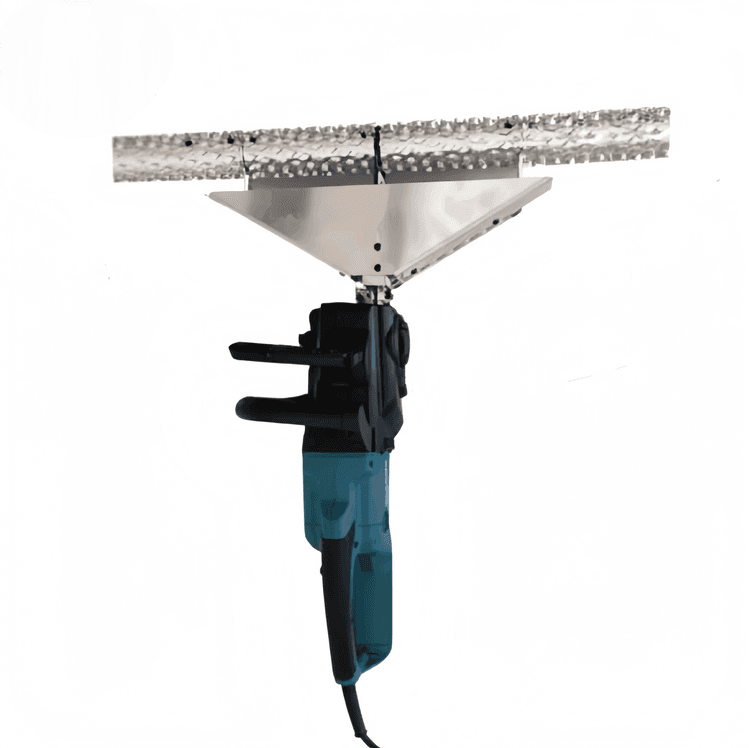
Cutting Polyurethane Foam: Tools, Techniques and Safety
Polyurethane (PU) foam is used in mattresses, furniture, packaging, insulation, automotive components and many other products. It can usually be cut with standard workshop tools, but the best method depends on the foam’s type, thickness, density and intended use. Flexible upholstery foam is cut differently from rigid insulation board, so check the product information before starting.
Choose the Right Tool
- Long, sharp knife: A serrated bread knife or specialist foam knife can work well for thinner pieces of flexible foam. Use a blade long enough to pass through the material in one controlled stroke.
- Electric carving knife: Often useful for making straight, even cuts in flexible upholstery foam. Its reciprocating blades can reduce tearing when used steadily.
- Band saw or suitable power saw: A workshop saw may be appropriate for larger or thicker pieces, provided it is suitable for the foam and the operator is trained. Follow the machine manufacturer’s instructions.
- Utility knife: Best for shallow cuts or thinner foam. For a thick piece, several controlled passes are generally safer and more accurate than forcing the blade through at once.
- Rigid foam insulation: Some rigid PU boards can be cut with a fine-toothed saw or a tool recommended by the manufacturer. Check the product guidance, particularly if the board has facings or coatings.
How to Make a Clean Cut
- Measure and mark: Measure twice and mark the cut line with a suitable marker. A straightedge or square can help keep the line accurate.
- Support the foam: Place the material on a stable, flat surface. Ensure the offcut is supported so it does not tear or fall as the cut is completed.
- Keep the foam relaxed: Avoid stretching or compressing flexible foam while measuring and cutting, as this can produce an uneven edge.
- Cut steadily: Use smooth, controlled movements and keep the blade aligned with the marked line. Let the tool do the work rather than forcing it.
- Check the result: Compare the cut piece with the required dimensions. Trim small irregularities carefully rather than removing too much material at once.
For repeated shapes, make a template from cardboard or another suitable material. Secure it without compressing the foam, then mark around it before cutting. For tight tolerances or production work, a purpose-built foam-cutting service may provide more consistent results.
Safety Considerations
- Work in a well-ventilated area and follow the safety information supplied with the foam.
- Wear suitable eye protection. Gloves may help when handling rough materials, but keep hands away from blades and moving machinery.
- Use sharp tools in good condition. A blunt blade can require more force and may slip.
- Secure the workpiece where appropriate, and keep fingers clear of the cutting path.
- Use power tools only if they are designed for the task and you are trained to operate them. Disconnect equipment before changing blades or carrying out adjustments.
- Keep foam and dust away from sparks, flames and other ignition sources. Foam products can burn; follow the manufacturer’s storage and fire-safety guidance.
Do not use a heated wire or other improvised heat-based method unless the foam manufacturer specifically approves it and the equipment is designed for that material. Heating polyurethane can produce hazardous fumes. If cutting creates persistent dust or debris, use appropriate extraction and respiratory protection in line with the product safety information and local workplace requirements.
Common Problems
Jagged edges: The blade may be blunt, the cut may be too fast, or the foam may be moving. Use a suitable sharp tool, support the material and practise on a scrap piece.
Uneven dimensions: Compressing flexible foam while measuring can change its apparent size. Measure it in its relaxed state and use a straightedge or template.
Tearing or crushing: Excessive pressure can deform flexible foam. Make controlled cuts and avoid squeezing the material more than necessary.
Final Advice
A clean, accurate cut begins with identifying the foam and selecting a suitable tool. Work slowly, keep the material supported and follow the manufacturer’s safety instructions. For unfamiliar products, test the method on a small offcut before cutting the finished piece.
Cutting Polyurethane Foam: 5 FAQs on Tools, Techniques and Safety
- What is the best tool for cutting polyurethane foam?
- How can polyurethane foam be cut straight and evenly?
- Can an electric knife be used to cut polyurethane foam?
- How do you cut thick polyurethane foam without tearing it?
- What safety precautions should be followed when cutting polyurethane foam?
What is the best tool for cutting polyurethane foam?
The best tool depends on the foam’s type and thickness. For flexible polyurethane upholstery foam, an electric carving knife or a sharp, long-bladed serrated foam knife usually gives a neat, controlled cut. A utility knife can work for thinner pieces, while rigid polyurethane foam may need a fine-toothed saw or a tool recommended by its manufacturer. Always secure the foam, use a sharp blade and follow the product’s safety instructions.
How can polyurethane foam be cut straight and evenly?
To cut polyurethane foam straight and evenly, measure carefully and mark the line with a straightedge or template. Place the foam on a stable, flat surface without stretching or compressing it, then use a sharp, suitable tool—such as an electric carving knife or serrated foam knife for flexible foam. Cut slowly in one steady motion, keeping the blade aligned with the mark, and support the offcut to prevent tearing. For thick foam, check the manufacturer’s guidance and make a test cut on a scrap piece first.
Can an electric knife be used to cut polyurethane foam?
Yes, an electric carving knife can be used to cut many types of flexible polyurethane foam, such as upholstery foam. Its reciprocating blades can help produce a neat, even cut when guided steadily along a marked line. Support the foam without compressing it, use the knife according to the manufacturer’s instructions, and try it first on an offcut. For rigid PU foam, check the product guidance to confirm that an electric knife is suitable. Work in a well-ventilated area and keep the blade and power cord clear of your hands.
How do you cut thick polyurethane foam without tearing it?
To cut thick polyurethane foam without tearing it, use a long, sharp serrated knife or an electric carving knife suited to the foam. Mark the cut line while the foam is relaxed, support it evenly on a flat surface and avoid compressing or stretching it. Cut with slow, steady strokes, keeping the blade straight and letting it pass through the foam without forcing it. For a particularly thick piece, make several controlled passes or practise on an offcut first.
What safety precautions should be followed when cutting polyurethane foam?
When cutting polyurethane foam, work in a well-ventilated area and follow the manufacturer’s safety instructions. Wear suitable eye protection and, where dust may be produced, use appropriate respiratory protection and dust extraction. Keep hands clear of blades and moving parts, secure the foam on a stable surface, and use a sharp, suitable tool with controlled movements. Keep foam and debris away from sparks, flames and other ignition sources. Avoid heated cutting methods unless the manufacturer specifically approves them, as heating polyurethane can release hazardous fumes.