
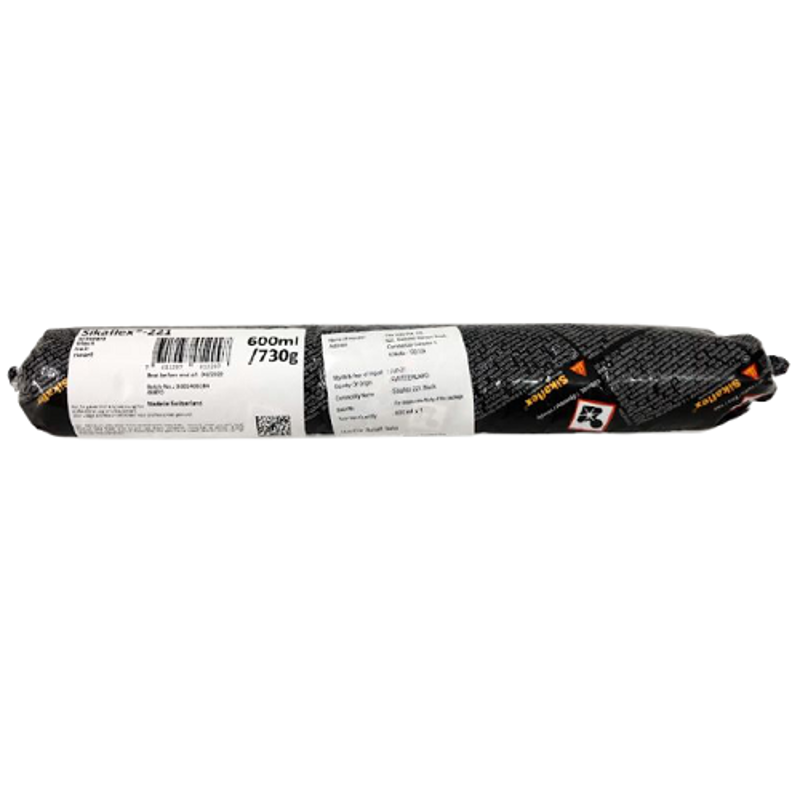
Urethane Sealant: Uses, Benefits and Application
Urethane sealant, commonly called polyurethane sealant, is a flexible material used to seal joints and gaps in buildings, vehicles and industrial equipment. It forms a durable bond with many surfaces and can accommodate movement caused by vibration, temperature changes or settling. These properties make it a popular choice for both indoor and outdoor sealing work.
What Is Urethane Sealant?
Urethane sealants are made from polyurethane compounds. They are generally supplied in cartridges, sausages or drums and are applied as a paste. Many products cure by reacting with moisture in the air, forming a resilient, rubber-like seal. Curing time depends on the product, joint size, temperature, humidity and the surfaces being sealed.
Formulations vary. Some are designed for construction joints, while others are made for glazing, flooring, automotive work or industrial applications. Always check the product label and technical data sheet to confirm that a sealant is suitable for the intended use.
Common Applications
- Building joints: Sealing expansion joints, façade joints, wall connections and gaps around doors and windows.
- Roofing and exterior work: Sealing selected joints and penetrations, subject to the product’s weathering and substrate compatibility.
- Concrete and masonry: Filling movement joints in floors, pavements and other concrete structures.
- Automotive and transport: Bonding or sealing components in vehicles, trailers and equipment, when the product is specifically approved for that purpose.
- Industrial use: Sealing joints in machinery, panels and fabricated components.
Key Benefits
- Flexibility: A cured sealant can accommodate a degree of joint movement without losing its seal.
- Adhesion: Many formulations bond well to common construction materials such as concrete, masonry, wood and certain metals.
- Durability: Products intended for exterior use can withstand exposure to weather and everyday wear.
- Paintability: Many urethane sealants can be painted once fully cured. Confirm this on the product label and test the paint system first.
- Versatility: Different formulations are available for specific substrates and working conditions.
Urethane Sealant Compared with Silicone
Urethane and silicone sealants are both used to seal joints, but they are not interchangeable in every situation. Urethane is often selected where strong adhesion, abrasion resistance or paintability is important. Silicone is commonly chosen for applications requiring high flexibility and resistance to moisture or temperature extremes. Silicone products are generally not paintable, while urethane products may be. The right choice depends on the joint, substrate, exposure and manufacturer’s recommendations.
How to Apply Urethane Sealant
- Check suitability: Confirm that the sealant is compatible with the substrates and the expected movement, exposure and service conditions.
- Prepare the joint: Remove old sealant, dust, grease, loose material and standing water. Surfaces should be prepared as directed by the manufacturer.
- Use backing material if required: A suitable backing rod can help control joint depth and prevent the sealant from bonding to the bottom of the joint.
- Apply evenly: Cut the nozzle to the required bead size and apply the sealant steadily, ensuring that it contacts both sides of the joint.
- Tool the bead: Smooth the surface within the product’s tooling time to achieve good contact and a neat finish.
- Allow it to cure: Protect the joint from disturbance and follow the stated curing time before painting or exposing it to service conditions.
Safety and Storage
Read the product label and safety data sheet before use. Wear the recommended protective equipment, work in a well-ventilated area and avoid contact with skin and eyes. Some polyurethane products may contain substances that can cause irritation or sensitisation. Keep containers sealed when not in use and store them within the temperature range specified by the manufacturer.
Choosing the Right Product
Select a urethane sealant based on the joint’s width and depth, expected movement, substrate materials and exposure to sunlight, water, chemicals or traffic. For critical structural, façade, glazing or vehicle applications, use a product specifically tested and approved for that purpose. Correct joint design and surface preparation are essential to achieving a durable seal.
When chosen and applied correctly, urethane sealant can provide a flexible, long-lasting solution for many sealing and bonding tasks. Product instructions should always take priority, as performance and application requirements vary between formulations.
5 Key Benefits of Urethane Sealant
- Flexible and accommodates joint movement.
- Bonds well to many common surfaces.
- Durable for suitable indoor and outdoor uses.
- Many formulations can be painted after curing.
- Resists wear and vibration in suitable applications.
6 Disadvantages of Urethane Sealant to Consider Before Use
- Can be more expensive than some alternatives.
- Requires careful surface preparation.
- Curing can take time.
- May need primers on certain surfaces.
- Some formulations are sensitive to moisture during application.
- Can be difficult to remove once cured.
Flexible and accommodates joint movement.
Urethane sealant remains flexible after curing, allowing it to accommodate the expansion, contraction and vibration that can occur in joints. This movement tolerance helps maintain a reliable seal as temperatures change or building materials shift, reducing the risk of cracks and gaps. It is particularly useful for construction joints and other areas where materials are expected to move over time.
Bonds well to many common surfaces.
Urethane sealant bonds well to many common surfaces, including concrete, masonry, wood and certain metals, making it a versatile choice for sealing joints in buildings and other applications. For the best adhesion, surfaces should be clean and properly prepared, and the product label should be checked to confirm compatibility with the materials being sealed.
Durable for suitable indoor and outdoor uses.
Urethane sealant offers lasting performance in suitable indoor and outdoor applications. Once cured, it forms a flexible, resilient seal that can withstand everyday wear and accommodate moderate movement in joints. When the product is matched to the surface and exposure conditions, and applied according to the manufacturer’s instructions, it can help protect against air and water ingress over time.
Many formulations can be painted after curing.
Many urethane sealant formulations can be painted once fully cured, making it easier to create a neat, coordinated finish. The paintable surface can blend with walls, façades, trims or other surrounding materials, which is especially useful when the sealant remains visible. Always check the product instructions for the recommended curing time and paint compatibility, and test the paint on a small area before completing the job.
Resists wear and vibration in suitable applications.
Urethane sealant can resist wear and vibration in suitable applications, making it useful for joints exposed to regular movement, impact or friction. Once cured, it forms a tough, flexible seal that can help maintain adhesion as components shift or vibrate. This can support long-lasting performance in areas such as vehicle assemblies, machinery and high-traffic construction joints, provided the sealant is selected and applied according to the manufacturer’s recommendations.
Can be more expensive than some alternatives.
Urethane sealant can cost more than alternatives such as acrylic or some silicone sealants, particularly when a specialised formulation is required. The initial product price may therefore be a consideration for large projects or frequent use. However, compare the overall value as well as the cost: durability, suitability for the application and potential maintenance needs can all affect the long-term expense. Always choose a product that meets the project’s requirements rather than relying on price alone.
Requires careful surface preparation.
Urethane sealant requires careful surface preparation for a reliable, long-lasting bond. Dust, grease, moisture, loose paint or old sealant can prevent it from adhering properly, increasing the risk of peeling, gaps or leaks. The surfaces may need to be cleaned, dried and, in some cases, primed before application, which adds time and care to the job.
Curing can take time.
One drawback of urethane sealant is that it can take time to cure fully. The sealant may form a surface skin before the material beneath has hardened, so the joint should not be disturbed or exposed to heavy use too soon. Curing time varies with the product, joint depth, temperature and humidity; follow the manufacturer’s instructions and allow adequate time before painting or putting the sealed area into service.
May need primers on certain surfaces.
Urethane sealant may need a primer on certain surfaces to achieve reliable adhesion. Porous, smooth or difficult-to-bond materials can require special preparation, and skipping the recommended primer may cause the sealant to peel or fail over time. Check the product instructions for compatible primers and surface-preparation requirements before application.
Some formulations are sensitive to moisture during application.
Some formulations of urethane sealant are sensitive to moisture during application, so damp surfaces or high humidity may affect how the product cures and bonds. Excess moisture can lead to bubbling, poor adhesion or an uneven finish, while very dry conditions may slow curing. For best results, check the manufacturer’s instructions, prepare the surfaces properly and apply the sealant within the recommended temperature and humidity range.
Can be difficult to remove once cured.
One drawback of urethane sealant is that it can be difficult to remove once cured. Its strong adhesion and durable, flexible finish can make scraping or cutting it away time-consuming, particularly on porous surfaces such as concrete or wood. Removal may require suitable tools and careful preparation to avoid damaging the substrate.