
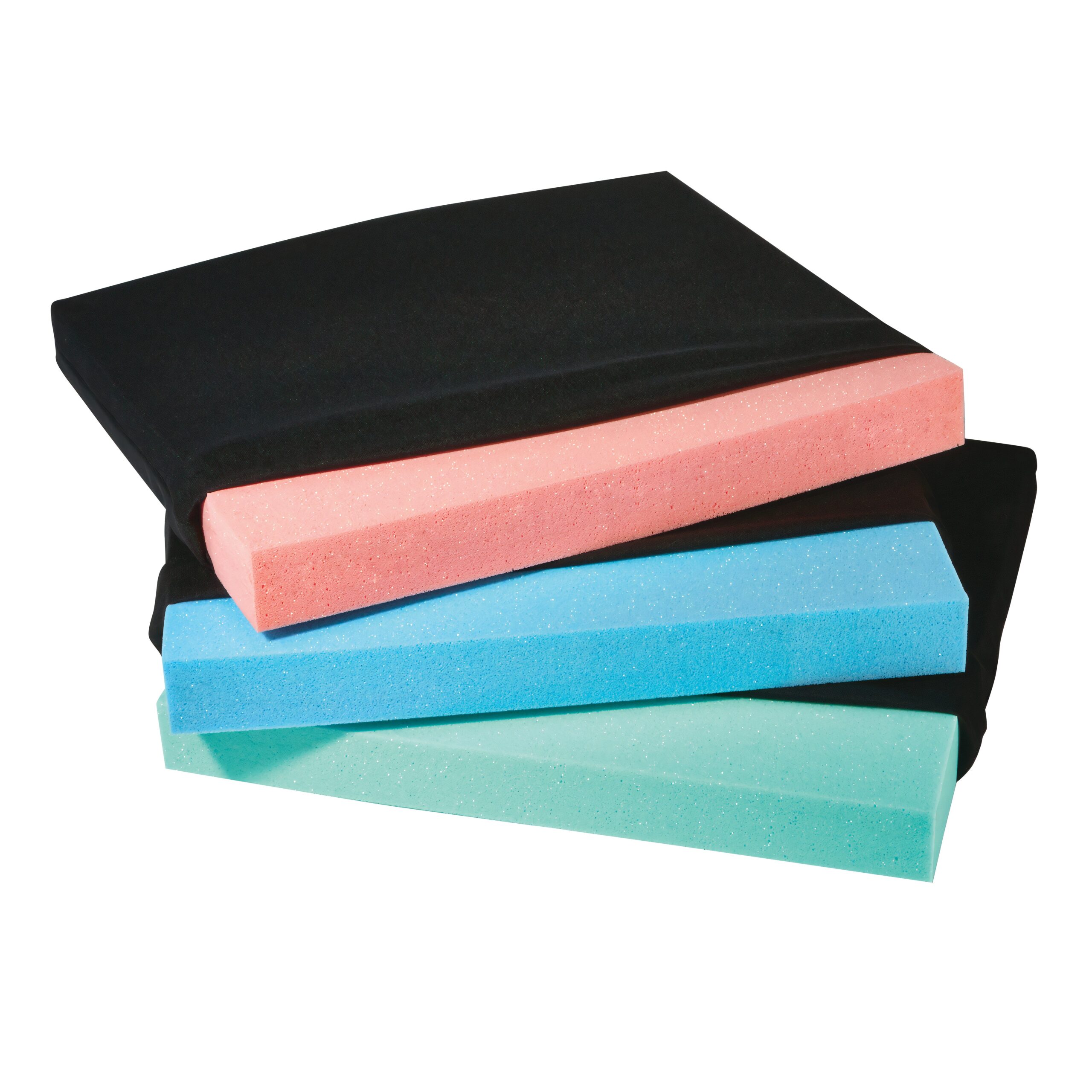
PU Foam Cushions: Comfort, Support and Everyday Uses
Polyurethane (PU) foam cushions are widely used in homes, offices, vehicles and commercial spaces. They are made from flexible polyurethane foam, a lightweight material that can be produced in different densities and firmness levels. This variety makes PU foam suitable for everything from soft sofa seating to supportive mattress layers and durable chair cushions.
What Is PU Foam?
PU foam is a cellular material formed by combining polyurethane ingredients to create a structure containing many small air pockets. In flexible foam, this structure compresses under pressure and recovers its shape when the pressure is removed. The exact feel and performance depend on the foam formulation, density, firmness and manufacturing method.
Common Types of PU Foam Cushions
- Conventional flexible foam: A versatile option used in sofas, dining chairs, mattresses and other everyday seating.
- High-resilience (HR) foam: Designed to offer a springier feel and good recovery. It is often used in seating where comfort and support are important.
- Memory foam: A type of viscoelastic foam that responds to body heat and pressure, creating a more conforming feel. It is commonly used in mattress toppers and selected cushion designs.
- Moulded PU foam: Formed in a mould to create a specific shape. It is used in applications such as vehicle seats and shaped furniture cushions.
Product names and performance can vary between manufacturers, so it is useful to check the specifications rather than relying on the foam type alone.
Key Benefits
- Comfort and support: Different firmness levels can be selected to suit the intended use, from relaxed lounge seating to firmer back support.
- Light weight: PU foam cushions are generally easy to handle, move and fit into furniture.
- Versatility: Foam can be cut or moulded into a range of sizes and shapes.
- Choice of feel: Cushion makers can select foam with different levels of softness, firmness and resilience.
- Compatibility with covers: PU foam can be used with fabric, leather and other upholstery materials, subject to the design and care requirements.
Density and Firmness: What Is the Difference?
Density and firmness are related to different properties. Density describes how much foam material is present in a given volume and is commonly expressed in kilograms per cubic metre (kg/m³). Firmness describes how the foam feels when compressed. A denser foam is not automatically firmer, and two foams with similar density can feel quite different.
When choosing a cushion, consider both properties along with the intended use, expected frequency of use and the manufacturer’s guidance. For furniture that receives regular use, ask about the foam’s durability and suitability for that application.
Where PU Foam Cushions Are Used
PU foam cushions are used in a wide range of products, including:
- Sofas, armchairs and ottomans
- Dining chairs and office seating
- Mattresses, mattress toppers and headboards
- Vehicle seats and interior trim
- Hospitality and institutional furniture
- Custom cushions for benches, window seats and outdoor furniture
For outdoor use, the complete cushion construction matters. Foam, cover fabric, stitching and drainage all affect how a cushion performs in exposed conditions. Check that the product is specifically intended for outdoor use, and follow the care instructions.
How to Choose the Right PU Foam Cushion
- Identify the purpose: A sofa cushion, dining chair pad and vehicle seat have different comfort and durability requirements.
- Consider firmness: Choose a feel that suits the user and the furniture. If possible, test the cushion before buying.
- Check dimensions: Measure the seating area carefully, including thickness, to ensure a good fit.
- Ask about specifications: Request details such as density, firmness and recommended application. These can help when comparing products.
- Check the cover: A removable, washable cover can make routine care easier. Follow the label for cleaning instructions.
- Review safety information: For furniture used in homes or public spaces, check the product’s relevant fire-safety and material information.
Care and Maintenance
Regular care can help maintain the appearance and comfort of PU foam cushions. Rotate and reposition removable cushions periodically to encourage more even wear. Keep the foam dry and clean it according to the manufacturer’s instructions. Avoid soaking the foam unless the product guidance specifically permits it, as trapped moisture can take time to dry and may affect the cushion.
Use a suitable cover to protect cushions from dust, spills and everyday wear. If a cushion becomes misshapen, damaged or persistently uncomfortable, check whether the foam or upholstery needs repair or replacement.
Considering Sustainability
The environmental impact of a cushion depends on more than the foam alone. Its lifespan, cover materials, manufacturing process, transport and end-of-life options all play a part. Choosing a cushion suited to its intended use may help avoid premature replacement. Ask manufacturers about recycled content, product durability and local recycling or take-back options where available.
In Summary
PU foam cushions offer a flexible choice for seating and bedding applications, with a broad range of shapes, densities and comfort levels. Comparing density, firmness, intended use and care requirements can help buyers select a cushion that suits their needs. For the best results, refer to product specifications and follow the manufacturer’s installation and maintenance advice.
PU Foam Cushions: FAQs on Materials, Density, Firmness, Durability, Care and Custom Sizing
- What are PU foam cushions made of?
- How do I choose the right density and firmness for a PU foam cushion?
- Are PU foam cushions suitable for sofas and everyday seating?
- How long do PU foam cushions typically last?
- How should PU foam cushions be cleaned and maintained?
- Can PU foam cushions be cut to fit custom furniture?
What are PU foam cushions made of?
PU foam cushions are made from flexible polyurethane foam, a lightweight material with a cellular structure containing many small air pockets. The foam is produced by combining polyurethane ingredients, and its density and firmness can be adjusted to suit different uses, such as sofas, chairs and mattresses. Cushions may also include an outer cover made from fabric or other upholstery materials.
How do I choose the right density and firmness for a PU foam cushion?
To choose the right PU foam cushion, consider how it will be used and how firm you would like it to feel. Density indicates how much foam material is packed into a given volume and can help you compare durability, while firmness describes how the cushion feels when compressed; a denser foam is not necessarily firmer. For everyday sofa or chair seating, look for foam specified for regular use and compare its firmness by trying it, if possible. Softer foam may suit relaxed seating, while firmer foam can offer a more supportive feel. Check the manufacturer’s recommendations, and consider the user’s comfort, cushion thickness and furniture design before deciding.
Are PU foam cushions suitable for sofas and everyday seating?
Yes, PU foam cushions are suitable for sofas and everyday seating, as they are available in a range of firmness levels and can provide a balance of comfort and support. For furniture used regularly, choose foam designed for frequent seating and check its density, firmness and durability specifications. The right choice also depends on the sofa design, cushion thickness and the feel you prefer.
How long do PU foam cushions typically last?
PU foam cushions typically last around 5 to 10 years, although the lifespan varies with foam quality, density, how often the cushion is used, and how well it is maintained. Cushions in frequently used seating may wear out sooner, while occasional use and regular rotation can help reduce uneven wear. Replace a cushion when it no longer provides comfortable support, has lost its shape or shows signs of deterioration.
How should PU foam cushions be cleaned and maintained?
PU foam cushions should be vacuumed regularly to remove dust and loose dirt. For spills, blot the area promptly with a clean cloth—avoid rubbing—and use a small amount of mild detergent diluted in water if needed. Do not soak the foam or use bleach, harsh chemicals or direct heat; allow it to air-dry completely in a well-ventilated, shaded place before use. Follow the care label for the cushion cover, and remove the foam only if the manufacturer’s instructions allow it. Rotate and reposition cushions periodically to help reduce uneven wear.
Can PU foam cushions be cut to fit custom furniture?
Yes, PU foam cushions can generally be cut to fit custom furniture, making them suitable for unusual shapes and sizes. Measure the seating area carefully and use a sharp, suitable cutting tool to create clean edges. For a precise fit—especially with thick foam or complex shapes—consider having the cushion cut by an upholstery professional. Check the foam manufacturer’s guidance before cutting, as some foam types may require specific handling.