
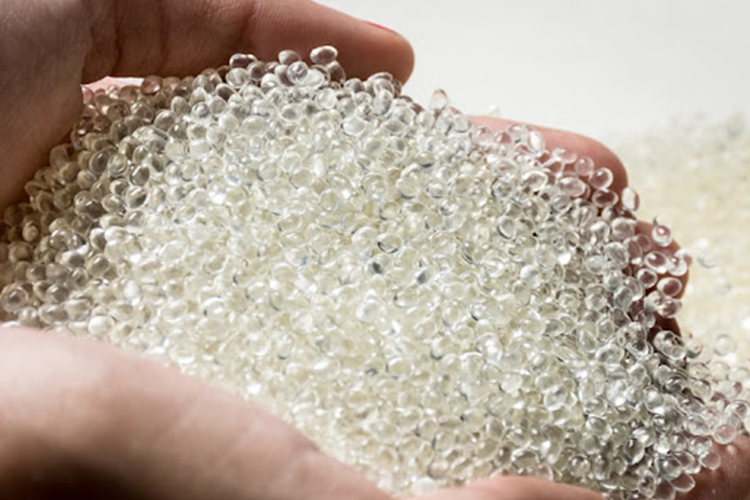
Thermoplastic Polyurethane and Polycarbonate: Understanding the Materials
Thermoplastic polyurethane (TPU) and polycarbonate (PC) are versatile engineering plastics used in products that need a balance of performance, durability and design flexibility. They are different materials, but they can be combined in certain applications. The term “polycarbonate TPU” may refer either to a TPU made using a polycarbonate-based building block or to a blend of TPU and polycarbonate. These descriptions are not interchangeable, so it is important to check the material specification.
What is thermoplastic polyurethane?
TPU is a type of thermoplastic elastomer. It combines rubber-like flexibility with the ability to be processed using methods such as injection moulding and extrusion. Depending on its formulation, TPU can offer abrasion resistance, flexibility, impact resistance and resistance to oils or other chemicals. Its properties vary considerably by grade.
Some TPU grades are made using polycarbonate diols as part of their chemical structure. These are often called polycarbonate-based TPUs. They are not simply ordinary polycarbonate mixed with polyurethane. The polycarbonate component is incorporated into the TPU polymer, which can provide a different balance of properties from other TPU chemistries.
How does polycarbonate differ?
Polycarbonate is a rigid thermoplastic valued for its impact strength, dimensional stability and, in suitable grades, optical clarity. It is used in products such as protective components, housings, glazing and electrical equipment. Unlike flexible TPU, standard PC is generally a hard, rigid material.
When TPU and PC are blended, the resulting material may combine some of the rigidity and heat performance associated with PC with some of TPU’s flexibility and impact absorption. However, the final properties depend on the blend ratio, compatibility between the polymers, additives and processing conditions. A blend should not be assumed to have all the benefits of both materials.
Potential applications
Polycarbonate-based TPU grades may be considered for demanding applications where flexibility, toughness and resistance to wear or environmental exposure are important. Depending on the grade, possible uses include industrial components, cable and electronic applications, automotive parts, sports equipment and protective products.
TPU–PC blends may be used where designers need a particular combination of stiffness and impact performance. The material’s suitability for an application should be confirmed through testing, especially where parts will face heat, repeated flexing, chemicals, sunlight or long-term mechanical stress.
Processing and material selection
Both TPU and PC are thermoplastics, but they do not necessarily share the same processing settings. Drying, melt temperature, mould design and cooling conditions can affect the quality of the finished part. Moisture control is especially important for many engineering thermoplastics, as excess moisture during processing can lead to defects or reduced properties.
When specifying a material, confirm whether the product is a polycarbonate-based TPU, a TPU–PC blend or another formulation. Ask suppliers for technical data, processing guidance and relevant test results. For safety-critical, medical, food-contact or electrical applications, verify that the particular grade meets the applicable standards and regulatory requirements.
Conclusion
“Thermoplastic polyurethane polycarbonate” can describe more than one material concept. Polycarbonate-based TPU is a TPU with a particular polymer chemistry, while a TPU–PC blend combines two polymers. Understanding this distinction helps manufacturers and designers choose a material that matches the required flexibility, strength, durability, processing method and service conditions.
5 Tips for Choosing, Processing and Storing Polycarbonate-Based TPU
- Choose a polycarbonate-based TPU grade to suit the required flexibility and durability.
- Check the datasheet for drying and processing temperatures before use.
- Keep the material dry and sealed during storage, especially in humid conditions.
- Use compatible colourants and additives recommended by the supplier.
- Test chemical and UV resistance for your intended application.
Choose a polycarbonate-based TPU grade to suit the required flexibility and durability.
Choose a polycarbonate-based TPU grade that matches the flexibility and durability required for the application. Grades can vary in hardness, stretch and resistance to wear, impact, heat and environmental exposure, so compare technical data sheets and test samples under realistic conditions before finalising a material. This helps ensure the finished component performs reliably without being unnecessarily soft, rigid or costly.
Check the datasheet for drying and processing temperatures before use.
Before using thermoplastic polyurethane (TPU) or a TPU–polycarbonate material, check the manufacturer’s datasheet for the recommended drying conditions and processing temperatures. These settings can vary between grades, and following the guidance helps prevent moisture-related defects, poor moulding quality and reduced material performance.
Keep the material dry and sealed during storage, especially in humid conditions.
Store thermoplastic polyurethane (TPU) and polycarbonate materials in dry, sealed packaging, particularly in humid conditions. These materials can absorb moisture, which may cause processing defects or affect the finished part’s quality. Keep opened packs properly closed and follow the supplier’s guidance on drying the material before processing.
Use compatible colourants and additives recommended by the supplier.
When colouring thermoplastic polyurethane or TPU–polycarbonate materials, use colourants and additives that are specifically recommended by the material supplier. Compatibility can vary by formulation, and an unsuitable additive may affect processing, appearance or performance, including flexibility, strength and durability. Check the supplier’s guidance and test the chosen combination under actual processing conditions before full-scale production.
Test chemical and UV resistance for your intended application.
Before selecting a thermoplastic polyurethane–polycarbonate material, test its resistance to the specific chemicals, cleaning agents and UV exposure it will encounter in service. Performance can vary by grade, formulation and exposure conditions, so assess representative samples for changes such as discolouration, cracking, swelling, softening or loss of strength. Testing under realistic conditions helps confirm that the material is suitable for the product’s intended environment and expected service life.