
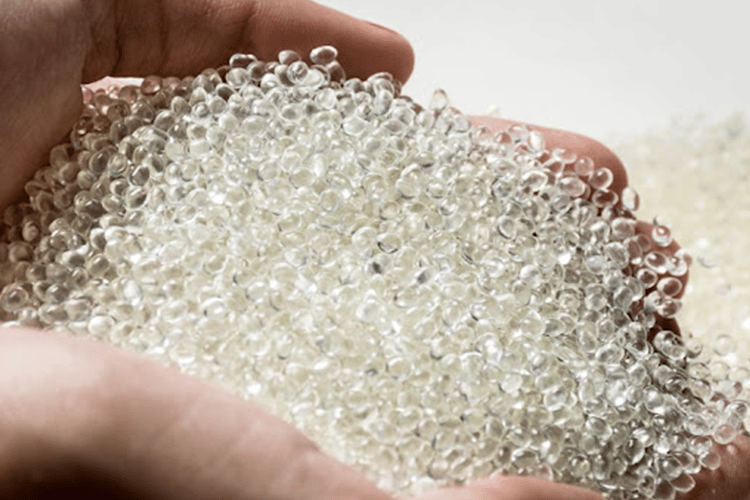
How to Buy Thermoplastic Polyurethane (TPU) in India
Thermoplastic polyurethane (TPU) is a versatile material valued for its flexibility, abrasion resistance and durability. It is used in products ranging from footwear and automotive components to cables, films and industrial parts. If you are planning to buy thermoplastic polyurethane, choosing the right grade for your application is just as important as comparing price and availability.
What Is Thermoplastic Polyurethane?
TPU is a thermoplastic elastomer that combines rubber-like flexibility with the processing characteristics of thermoplastics. It can generally be processed using methods such as injection moulding, extrusion and blow moulding, depending on the grade and product design. Its properties can vary considerably, so a grade suited to one application may not perform well in another.
Common Applications
- Footwear: Soles, heel components and flexible footwear parts
- Automotive: Protective covers, seals, interior components and flexible tubing
- Electrical and electronics: Cable jackets, connectors and protective components
- Industrial products: Hoses, rollers, wheels, belts and abrasion-resistant parts
- Films and coated fabrics: Flexible films, protective layers and technical textiles
- Consumer goods: Sporting goods, flexible accessories and durable product components
How to Choose the Right TPU Grade
Before contacting a supplier, define the performance requirements of the finished product. Consider the following factors:
- Hardness: TPU is available in different hardness levels. The appropriate level depends on the required flexibility, firmness and feel.
- Mechanical properties: Check tensile strength, elongation, tear strength and abrasion resistance against the needs of the application.
- Temperature performance: Confirm the operating temperature range and whether the material must remain flexible in cold conditions or withstand heat.
- Resistance requirements: Depending on the grade, TPU may offer resistance to oils, grease, abrasion or weathering. Confirm performance with technical data for the specific grade.
- Processing method: Specify whether you need TPU for injection moulding, extrusion, film production or another process.
- Appearance and colour: Ask about natural and coloured options, transparency, surface finish and colour consistency.
- Compliance: If the product is intended for a regulated application, request relevant declarations and test documentation. Requirements depend on the product and its intended use.
Questions to Ask a TPU Supplier
When comparing suppliers, request clear technical and commercial information. Useful questions include:
- Which grade is recommended for the application and processing method?
- Can the supplier provide a technical data sheet and safety data sheet?
- Are samples available for trials before placing a bulk order?
- What are the minimum order quantity, packaging options and lead time?
- How should the material be stored and dried before processing?
- Is the grade available consistently, and can the supplier provide batch traceability?
- What quality checks or application support are available?
Compare More Than the Purchase Price
When you buy thermoplastic polyurethane, the lowest quoted price may not represent the best overall value. Compare the grade’s suitability, processing consistency, delivery reliability and technical support. A material that is not matched to the application can lead to production issues, rejected parts or higher costs over time.
For an accurate quotation, share your intended application, processing method, required hardness, estimated quantity and any performance or compliance requirements. If the exact grade is not yet known, a supplier can use this information to suggest suitable options for evaluation.
Make an Informed Buying Decision
Buying TPU starts with a clear understanding of the finished product and the conditions it must withstand. Confirm the grade against its technical documentation, conduct processing and performance trials where possible, and agree on supply and quality requirements before ordering. Careful grade selection and supplier evaluation can help you source thermoplastic polyurethane that meets your application needs.
9 Essential Tips for Buying Thermoplastic Polyurethane (TPU)
- Choose the TPU grade for your application, such as footwear, cables or automotive parts.
- Check hardness, commonly measured on the Shore A or Shore D scale.
- Confirm the required flexibility, abrasion resistance and tear strength.
- Ask whether the grade suits your processing method, such as injection moulding or extrusion.
- Check operating temperature and resistance to oils, chemicals and UV exposure.
- Request a technical data sheet and certificate of analysis.
- Buy from a reliable supplier and verify the material’s origin.
- Compare price per kilogram along with delivery charges and minimum order quantity.
- Order a small sample first to test performance in your application.
Choose the TPU grade for your application, such as footwear, cables or automotive parts.
Choose a TPU grade based on the demands of your application, as different grades offer varying levels of flexibility, hardness, abrasion resistance and temperature performance. For footwear, you may need a flexible, durable grade; cables may require suitable insulation and resistance properties; while automotive parts may need to withstand specific temperatures, oils or mechanical stresses. Check the supplier’s technical data sheet and confirm that the grade is compatible with your manufacturing process before placing an order.
Check hardness, commonly measured on the Shore A or Shore D scale.
Check the hardness of the thermoplastic polyurethane (TPU) grade, commonly measured on the Shore A or Shore D scale. Shore A is generally used for softer, more flexible grades, while Shore D is typically used for harder, firmer materials. Choose a hardness that suits your product’s flexibility, feel and performance requirements, and confirm the specific grade’s data with your supplier.
Confirm the required flexibility, abrasion resistance and tear strength.
Before you buy thermoplastic polyurethane (TPU), confirm the flexibility, abrasion resistance and tear strength your application requires. These properties can vary between grades and affect how the finished product performs in use. A flexible part may need a softer grade, while components exposed to rubbing or repeated pulling may require stronger abrasion and tear resistance. Compare suppliers’ technical data sheets and, where possible, test samples under real operating conditions before placing an order.
Ask whether the grade suits your processing method, such as injection moulding or extrusion.
Before buying thermoplastic polyurethane (TPU), check that the grade is suitable for your processing method, such as injection moulding or extrusion. TPU grades can differ in melt flow and processing behaviour, so ask the supplier for a technical data sheet and recommendations for your equipment and production conditions. Choosing a compatible grade can help support smoother processing and consistent finished parts.
Check operating temperature and resistance to oils, chemicals and UV exposure.
Before you buy thermoplastic polyurethane (TPU), check that its operating temperature range suits the conditions your product will face. Also confirm the grade’s resistance to oils, chemicals and UV exposure, as performance can vary between formulations. Ask the supplier for technical data and test the material under realistic conditions to help ensure it will remain durable in use.
Request a technical data sheet and certificate of analysis.
Before you buy thermoplastic polyurethane (TPU), request a technical data sheet (TDS) and a certificate of analysis (CoA) from the supplier. The TDS outlines the grade’s typical properties and recommended processing conditions, while the CoA provides test results for a specific production batch. Reviewing both helps you check that the material suits your application and that the delivered batch meets the agreed specifications.
Buy from a reliable supplier and verify the material’s origin.
Buy thermoplastic polyurethane from a reliable supplier with a track record of consistent quality and dependable service. Ask for the material’s country of origin, manufacturer details and batch traceability, and verify these against the product documentation. A technical data sheet and safety data sheet can help confirm that the grade matches your application, while clear sourcing information supports quality checks and more confident purchasing.
Compare price per kilogram along with delivery charges and minimum order quantity.
When buying thermoplastic polyurethane, compare the price per kilogram alongside delivery charges and the supplier’s minimum order quantity. A low unit price may not offer the best value if transport costs are high or the minimum order exceeds your requirements. Request a complete quotation, including applicable taxes and fees, so you can compare suppliers on the total cost for the quantity you need.
Order a small sample first to test performance in your application.
Before placing a bulk order, request a small sample of thermoplastic polyurethane (TPU) and test it in your actual application. This helps you check whether the grade meets your requirements for flexibility, strength, abrasion resistance and processing behaviour. A trial can also reveal issues with fit, finish or performance under real operating conditions, helping you choose the right material with greater confidence.