
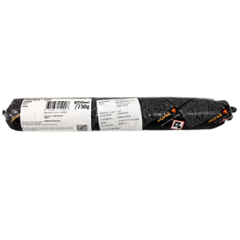
Urethane Sealants: Uses, Benefits and Application Tips
Urethane sealants, also known as polyurethane sealants, are flexible materials used to seal joints and gaps in buildings, vehicles and industrial equipment. They bond to many common surfaces and can accommodate movement caused by changes in temperature, vibration or settling. Their combination of flexibility, adhesion and durability makes them a popular choice for both indoor and outdoor applications.
What Are Urethane Sealants?
Urethane sealants are made from polyurethane-based polymers. Many formulations cure by reacting with moisture in the air, gradually changing from a paste into a resilient, rubber-like seal. Other products may use different curing systems, so it is important to follow the manufacturer’s instructions.
They are available in cartridges, sausages, pails and other packaging. Some are designed for general construction, while others are formulated for specific uses such as glazing, flooring, roofing or automotive work.
Common Applications
Urethane sealants are used to seal joints where a durable yet flexible barrier is needed. Typical applications include:
- Expansion and control joints in concrete
- Gaps around windows, doors and building façades
- Roofing details and exterior cladding joints
- Joints in floors, walkways and car parks
- Sealing in vehicles, trailers and transport equipment
- Selected industrial and marine applications
The right product depends on the joint design, the materials being joined and the conditions the sealant will face. Not every urethane sealant is suitable for every application.
Key Benefits
- Flexibility: Many formulations can accommodate joint movement without losing the seal.
- Strong adhesion: They can bond to materials such as concrete, masonry, metal, wood and some plastics, subject to product compatibility.
- Weather resistance: Exterior-grade products are designed to withstand exposure to rain and changing weather conditions.
- Abrasion resistance: Some formulations are suitable for joints exposed to foot or vehicle traffic.
- Paintability: Certain products can be painted after curing, but this should be confirmed on the product label.
Choosing the Right Sealant
Before selecting a urethane sealant, consider the joint’s expected movement, width and depth, as well as the surfaces involved. Check whether the product is rated for interior or exterior use, exposure to UV light, water, chemicals or traffic, and the expected service temperature.
Also check whether a primer is required. Some substrates, including certain plastics, coated metals and porous materials, may need special preparation or may not be suitable for a particular formulation. When the application is important or the substrate is unfamiliar, consult the manufacturer’s technical data sheet or carry out a compatibility test.
Application Tips
- Prepare the joint: Remove dust, loose material, oil, old sealant and other contaminants. Surfaces should be prepared as directed by the product manufacturer.
- Use backing material where needed: A backer rod can help control sealant depth and prevent the sealant from bonding to the bottom of the joint. Follow the recommended joint dimensions.
- Apply evenly: Use a suitable applicator and fill the joint without leaving gaps or trapping air.
- Tool the sealant: Smooth the bead within the product’s tooling time to achieve good contact with the joint sides.
- Allow it to cure: Protect the sealant from disturbance until it has cured sufficiently. Cure time varies with the product, joint size, temperature and humidity.
Important Considerations
Urethane sealants can be difficult to remove once cured, and some formulations may be affected by prolonged UV exposure or particular chemicals. They may also stain certain porous materials. For these reasons, always check the technical data sheet for limitations, surface compatibility, application temperature and cure requirements.
Use appropriate personal protective equipment and provide adequate ventilation during application. Read the product label and safety data sheet, and follow local disposal requirements. Uncured sealant should not be handled or cleaned up using methods that are not recommended by the manufacturer.
Conclusion
Urethane sealants provide a flexible, durable way to seal many types of joints in construction, transport and industry. Choosing a formulation suited to the substrate and service conditions—and preparing and applying it correctly—are essential for reliable performance. Always refer to the manufacturer’s instructions for product-specific guidance.
7 Key Advantages of Urethane Sealants
- Flexible and accommodates joint movement
- Strong adhesion to many surfaces
- Resists weather and moisture
- Durable for long-lasting seals
- Suitable for indoor and outdoor use
- Some formulations can be painted
- Available for a range of applications
6 Drawbacks of Urethane Sealants to Consider
- Can be more expensive than some alternatives.
- Requires careful surface preparation.
- Curing can take time.
- Some formulations are sensitive to UV exposure.
- Can be difficult to remove once cured.
- May require a primer on certain surfaces.
Flexible and accommodates joint movement
Urethane sealants remain flexible after curing, allowing them to accommodate the natural movement of joints caused by temperature changes, vibration or building settlement. This flexibility helps maintain a reliable seal and reduces the risk of cracking or separation as the surrounding materials expand and contract.
Strong adhesion to many surfaces
Urethane sealants are valued for their strong adhesion to many commonly used surfaces, including concrete, masonry, metal and wood. This helps create a secure, durable seal that can resist loosening as joints move or face changing weather conditions. As adhesion varies with the formulation and surface, cleaning and preparing the area—and checking whether a primer is needed—helps achieve the best results.
Resists weather and moisture
Urethane sealants are well suited to outdoor applications because they resist moisture and changing weather conditions. Once cured, they form a flexible barrier that helps prevent water from entering joints, while accommodating movement caused by temperature changes. This makes them useful for sealing gaps around windows, doors, façades and other exposed areas. For best results, choose a product rated for the specific conditions and follow the manufacturer’s application instructions.
Durable for long-lasting seals
Urethane sealants are valued for their durability, helping create long-lasting seals in joints exposed to movement, changing weather and everyday wear. Their flexibility allows them to accommodate expansion, contraction and vibration while maintaining a secure barrier. When the right product is selected and applied to a properly prepared surface, it can help reduce the need for frequent repairs and resealing.
Suitable for indoor and outdoor use
Urethane sealants are suitable for a wide range of indoor and outdoor applications. Indoors, they can seal gaps around windows, doors and building joints, while exterior-grade formulations can help protect against rain, changing temperatures and weather exposure. Choose a product designed for the specific location and surface, and check its technical data sheet for guidance on UV resistance, moisture exposure and application conditions.
Some formulations can be painted
Some urethane sealants can be painted once they have cured, making it easier to match the sealed joint to surrounding walls, trims or other surfaces. This can create a neat, consistent finish, particularly in visible areas. Paintability varies by product, so check the manufacturer’s instructions for the recommended curing time and compatible paints before decorating.
Available for a range of applications
Urethane sealants are available in formulations suited to a wide range of applications, from sealing expansion joints in concrete and gaps around windows and doors to use in roofing, flooring, vehicles and industrial equipment. Since each product is designed for particular surfaces and conditions, check the manufacturer’s guidance to choose the right sealant for the job.
Can be more expensive than some alternatives.
Urethane sealants can cost more than some alternatives, such as acrylic or silicone sealants, which may make them less suitable for projects with tight budgets. However, the overall cost should also take account of the sealant’s expected service life, durability and maintenance needs. Compare products for the specific application to find the right balance between upfront price and long-term performance.
Requires careful surface preparation.
Urethane sealants require careful surface preparation to form a reliable, long-lasting bond. Dust, grease, moisture, loose material or remnants of old sealant can prevent proper adhesion and may lead to gaps or premature failure. The surfaces should be cleaned and prepared according to the manufacturer’s instructions, and some materials may also require a primer.
Curing can take time.
One drawback of urethane sealants is that they can take time to cure fully. Although the surface may feel dry sooner, the sealant beneath can remain soft for longer, depending on the product, joint depth, temperature and humidity. During this period, it may need protection from water, dust, movement or contact, which can slow down repairs and affect project schedules. Always check the manufacturer’s instructions for the recommended curing time before exposing the sealant to service.
Some formulations are sensitive to UV exposure.
Some urethane sealant formulations can be affected by prolonged exposure to ultraviolet (UV) rays from sunlight. Over time, this may cause discolouration, surface chalking or a loss of performance, particularly in exposed outdoor joints. For applications with significant sun exposure, check the product’s UV-resistance rating and consider a UV-resistant formulation or a compatible protective coating.
Can be difficult to remove once cured.
Once cured, urethane sealants form a tough, durable bond that can make removal difficult. Taking them off may require careful cutting or scraping, and aggressive tools can damage the surrounding surface. Removing old sealant thoroughly before applying a fresh bead can therefore take extra time and care; follow the product manufacturer’s guidance and use suitable protective equipment.
May require a primer on certain surfaces.
Urethane sealants may require a primer on certain surfaces to achieve a reliable bond. This is more likely with porous, coated or otherwise difficult-to-bond materials, and the need depends on the sealant formulation and substrate. Using the recommended primer adds an extra step, time and cost to the application, so check the manufacturer’s instructions before starting.