
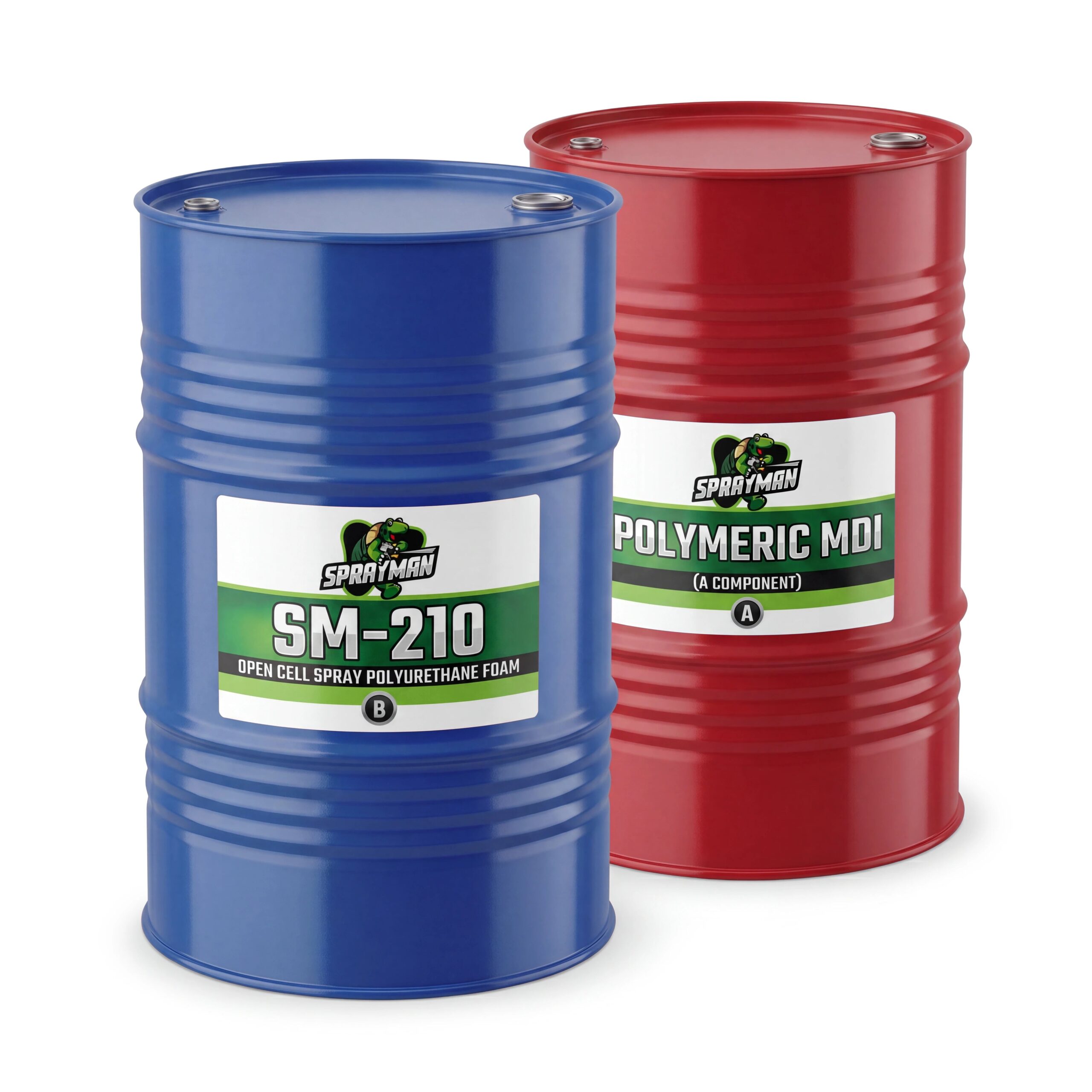
Open-Cell Polyurethane: A Lightweight, Versatile Material
Open-cell polyurethane is a flexible foam in which many of the cells are interconnected. This structure allows air to move through the material, giving it a soft, breathable feel. It is used in products ranging from furniture and bedding to acoustic panels and filtration media.
What Is Open-Cell Polyurethane?
Polyurethane (PU) is a family of materials made by reacting polyols with isocyanates, along with other ingredients selected for the intended application. In open-cell foam, the cell walls are partly broken or open, creating a network of connected pores. The result is generally lighter and more air-permeable than closed-cell foam.
Open-cell polyurethane is usually flexible, although its firmness, resilience and durability can be adjusted during formulation and production. These characteristics depend on factors such as the foam’s density, cell structure and the additives used.
Key Properties
- Air permeability: Connected pores allow air to pass through the foam, making it suitable for applications where ventilation is useful.
- Softness and flexibility: Many open-cell PU foams compress readily and recover their shape, depending on their design.
- Low weight: The cellular structure provides cushioning without adding excessive weight.
- Sound absorption: Porous foam can help absorb sound, particularly when selected and installed for the acoustic requirements of a space.
- Customisable performance: Formulations can be developed to provide different levels of firmness, resilience, comfort and other properties.
Common Applications
Open-cell polyurethane is widely used in comfort and cushioning products. Common applications include:
- Upholstered furniture, cushions and seating
- Mattresses, pillows and other bedding products
- Automotive seating and interior cushioning
- Acoustic treatments for rooms, studios and equipment enclosures
- Packaging and protective cushioning
- Filters and other products that use porous foam structures
The most suitable grade depends on the product’s expected use. For example, furniture foam may be selected for comfort and durability, while acoustic foam is chosen to meet particular sound-absorption needs.
Open-Cell and Closed-Cell Foam: The Difference
The main difference is the structure of the cells. Open-cell foam has interconnected pores, so air can move through it more easily. Closed-cell foam has largely enclosed cells, which generally restrict airflow and can provide different insulation and moisture-related performance.
Neither type is universally better. The right choice depends on the intended application, performance requirements and conditions of use. Open-cell polyurethane should not be assumed to provide the same moisture resistance or insulation performance as a closed-cell product.
Choosing the Right Foam
When selecting open-cell PU foam, consider the load it will support, the desired feel, how often it will be compressed and the environment in which it will be used. Other factors may include airflow, acoustic performance, product dimensions, applicable safety requirements and expected service life.
It is important to assess the finished product rather than relying on a single foam property. Where performance is critical, request relevant technical data and testing information from the manufacturer or supplier.
Handling and Responsible Use
Polyurethane foam should be used in accordance with the product’s instructions and applicable regulations. Fire performance varies by formulation and finished-product design; foam should not be assumed to be fire-resistant unless this has been demonstrated for the specific product. During production or processing, appropriate controls and protective measures are essential, particularly when handling reactive raw materials.
At the end of its useful life, polyurethane foam can be challenging to manage because it is lightweight and often incorporated into composite products. Recycling and recovery options depend on local infrastructure and the foam’s composition. Choosing durable products and following local waste-management guidance can help support more responsible use.
Conclusion
Open-cell polyurethane is a versatile material valued for its low weight, cushioning and air-permeable structure. Its performance can be tailored for a wide range of applications, from seating and bedding to acoustics and filtration. Careful product selection, appropriate testing and responsible handling help ensure that the chosen foam is suited to its intended use.
5 Essential Tips for Using Open-Cell Polyurethane Foam Safely and Effectively
- Use open-cell polyurethane foam for sound absorption and indoor insulation.
- Choose it where breathability is useful; it is less moisture-resistant than closed-cell foam.
- Check local building codes for vapour-control requirements before installation.
- Have trained professionals install spray foam with proper ventilation and protective gear.
- Keep it away from heat sources and protect it with an approved thermal barrier where required.
Use open-cell polyurethane foam for sound absorption and indoor insulation.
Open-cell polyurethane foam can be used to help absorb sound and provide indoor insulation. Its interconnected pores allow air to pass through the foam, helping to reduce sound reflections when the material is selected and installed for the space. It can also help limit heat transfer indoors, though its insulation performance varies by product. Choose a foam suited to the intended application and follow the manufacturer’s installation and safety guidance.
Choose it where breathability is useful; it is less moisture-resistant than closed-cell foam.
Choose open-cell polyurethane when breathability and airflow are important, such as in cushioning or acoustic applications. Its interconnected pores allow air to pass through, but also make it less moisture-resistant than closed-cell foam. For damp environments or applications requiring greater protection from moisture, consider a suitable closed-cell alternative.
Check local building codes for vapour-control requirements before installation.
Before installing open-cell polyurethane foam, check local building codes and consult a qualified building professional about vapour-control requirements. Because open-cell foam is relatively air- and vapour-permeable, the right vapour-control strategy can depend on the climate, wall or roof assembly, and other materials used. Following local requirements helps reduce the risk of moisture build-up and supports the long-term performance of the building.
Have trained professionals install spray foam with proper ventilation and protective gear.
Spray-applied open-cell polyurethane foam should be installed by trained professionals who understand the product and follow the manufacturer’s instructions. Proper ventilation and suitable protective gear are essential during application and curing to reduce exposure to airborne chemicals and vapours. Keep occupants and pets away from the work area until the installer confirms it is safe to return.
Keep it away from heat sources and protect it with an approved thermal barrier where required.
Keep open-cell polyurethane away from heat sources, as exposure to high temperatures may damage the foam or create a safety risk. Where building regulations or product requirements call for it, protect the foam with an approved thermal barrier installed in accordance with the manufacturer’s instructions and applicable local standards.