
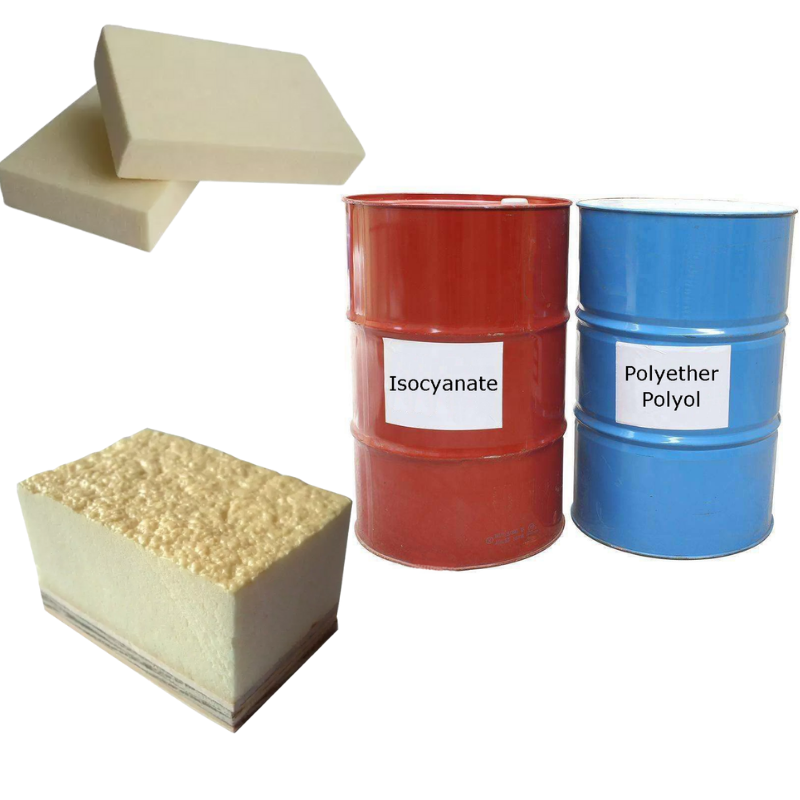
PU Foam Chemicals: Key Ingredients, Uses and Safe Handling
Polyurethane (PU) foam is used in products ranging from mattresses and furniture to building insulation, vehicle interiors and refrigeration equipment. It is made by reacting selected chemicals to form a cellular material. The formulation determines whether the finished foam is soft or firm, flexible or rigid, and suited to a particular application.
What are PU foam chemicals?
PU foam chemicals are the raw materials and additives used to produce polyurethane foam. The main components are generally a polyol and an isocyanate. They react to create the polyurethane polymer, while other ingredients help control the reaction, cell structure and performance of the foam.
There is no single formulation for all PU foam. Chemical selection and proportions vary according to the process, equipment, product requirements and applicable safety and environmental standards.
Main components
Polyols
Polyols are a family of compounds with multiple hydroxyl groups. They react with isocyanates to form polyurethane. Different polyols can influence properties such as flexibility, resilience, strength and resistance to heat or chemicals. Flexible foam formulations commonly use polyols selected for cushioning, while rigid foam formulations are designed to provide structure and insulation.
Isocyanates
Isocyanates react with polyols to form the polyurethane structure. Common types used in PU foam production include toluene diisocyanate (TDI) and polymeric methylene diphenyl diisocyanate (PMDI), depending on the foam type and process. Isocyanates require careful handling: exposure can irritate the skin and eyes and may affect the respiratory system, including causing occupational asthma.
Blowing agents
Blowing agents help create the cells that give foam its lightweight structure. Depending on the formulation and manufacturing process, water, physical blowing agents or other systems may be used. The choice affects foam density, insulation performance, processing and environmental impact.
Catalysts
Catalysts regulate the reactions involved in foam formation. They help control how quickly the mixture rises, cures and develops its cell structure. The right balance is important: an unsuitable formulation or process can result in defects such as uneven cells, poor surface quality or inadequate curing.
Surfactants and other additives
Silicone-based surfactants and other stabilisers help control cell formation and maintain foam structure. Formulations may also include flame retardants, colourants, fillers, crosslinkers or other performance additives. These ingredients are selected for the intended use and must be evaluated as part of the complete formulation.
How PU foam is made
In a typical process, the polyol blend and isocyanate are metered and mixed under controlled conditions. The reaction generates heat and forms the polymer. At the same time, the blowing system creates gas bubbles, producing the foam’s cellular structure. The foam then rises and cures before it is cut, shaped or incorporated into a finished product.
Manufacturers control factors such as material temperature, mixing, ratio, processing time and curing conditions. These can affect foam quality as well as the safety of the production process. Production should be carried out by trained personnel using suitable equipment and procedures.
Common types and applications
- Flexible PU foam: Used in mattresses, upholstered furniture, cushions, footwear and vehicle seating.
- Rigid PU foam: Used in building panels, roofs, appliances and refrigerated transport, where insulation and structural performance may be required.
- Integral-skin and moulded foam: Used in applications such as automotive components, armrests and protective or cushioning parts.
- Spray polyurethane foam: Applied in some insulation and sealing applications by trained installers using specialised equipment.
Safe handling and storage
PU foam ingredients should be handled in accordance with the supplier’s safety data sheets (SDS), product labels and workplace procedures. Isocyanates are a particular concern because inhalation or skin contact can cause harmful effects. Good practice includes:
- Using appropriate local exhaust ventilation and preventing vapours or aerosols from spreading into occupied areas.
- Selecting protective gloves, clothing and eye protection based on the SDS and task-specific risk assessment.
- Using respiratory protection where required, with the correct equipment, fit testing and training.
- Keeping containers closed when not in use and storing chemicals under the conditions specified by the supplier.
- Providing worker training, emergency procedures and suitable facilities for washing after accidental contact.
- Following local requirements for chemical management, emissions, fire safety and waste disposal.
Foam production may involve heat, reactive materials and combustible substances. A site-specific risk assessment is therefore important. Chemical choices and handling practices should not be based on general guidance alone; consult the product documentation and qualified safety professionals.
Choosing the right PU foam formulation
When selecting PU foam chemicals, manufacturers should consider the intended application, required physical properties, processing method, equipment compatibility and relevant regulations. The finished foam should be tested against appropriate performance and safety requirements. Suppliers can provide technical information, but formulation and process changes should be evaluated carefully before full-scale production.
Conclusion
PU foam is produced through a carefully controlled reaction involving polyols and isocyanates, supported by blowing agents, catalysts, surfactants and other additives. Understanding the role of each component helps manufacturers select a formulation for its intended purpose and produce consistent foam. Equally important are safe handling, trained operators, suitable ventilation and compliance with product documentation and applicable regulations.
PU Foam Chemicals: 8 FAQs on Ingredients, Composition and Toxicity
- What chemicals are used in PU foam?
- What is the chemical in polyurethane PU?
- What are the ingredients in PU foam?
- What material is PU foam made of?
- What chemicals are used to make PU foam?
- What is the chemical name for foam?
- What is PU foam made of?
- Is PU foam toxic?
What chemicals are used in PU foam?
Polyurethane (PU) foam is mainly made by reacting a polyol with an isocyanate, commonly TDI or MDI, to form the foam’s polymer structure. Formulations may also include a blowing agent to create the foam’s cellular structure, catalysts to control the reaction, and surfactants to stabilise the cells. Depending on the foam’s intended use, other additives—such as colourants, flame retardants or fillers—may be included. The exact chemicals vary by product, so refer to the supplier’s product information and safety data sheet for details and safe-handling guidance.
What is the chemical in polyurethane PU?
Polyurethane (PU) is formed when polyols react with chemicals called isocyanates. Common isocyanates used in PU foam production include toluene diisocyanate (TDI) and polymeric methylene diphenyl diisocyanate (PMDI). The exact formulation may also contain additives such as catalysts, blowing agents and stabilisers, depending on the type and intended use of the foam.
What are the ingredients in PU foam?
PU foam is generally made by reacting two main ingredients: a polyol and an isocyanate. The formulation may also include a blowing agent to create the foam’s cellular structure, catalysts to control the reaction, and surfactants to help stabilise the cells. Depending on the foam’s intended use, manufacturers may add colourants, flame retardants or other additives. The exact ingredients vary by product, so check the supplier’s information and safety data sheet for details.
What material is PU foam made of?
PU (polyurethane) foam is made by reacting polyols with isocyanates, which form the polymer structure. Blowing agents create the foam’s cellular shape, while catalysts, surfactants and other additives help control how it forms and its properties. The exact ingredients vary depending on whether the foam is designed to be flexible, rigid or suited to a specific application.
What chemicals are used to make PU foam?
PU foam is typically made by reacting a polyol with an isocyanate, such as TDI or PMDI. Other ingredients may include blowing agents to create the foam’s cellular structure, catalysts to control the reaction, and surfactants to stabilise the cells. Depending on the foam’s intended use, manufacturers may also add colourants, flame retardants or other performance additives. The exact formulation varies, so chemicals should be handled according to the supplier’s safety data sheet and applicable regulations.
What is the chemical name for foam?
There is no single chemical name for foam, as “foam” describes a material with gas bubbles trapped in a solid or liquid structure. In the case of PU (polyurethane) foam, the main chemical is polyurethane, formed when polyols react with isocyanates. The formulation may also include blowing agents, catalysts and other additives, depending on whether the foam is designed for cushioning, insulation or another use.
What is PU foam made of?
PU foam, or polyurethane foam, is made by reacting a polyol with an isocyanate. The formulation may also include blowing agents to create the foam’s cellular structure, catalysts to control the reaction, surfactants to stabilise the cells, and other additives to achieve properties such as flexibility, firmness, insulation or flame resistance. The exact ingredients vary depending on the type of foam and its intended use.
Is PU foam toxic?
PU foam is not automatically toxic in normal use, but its safety depends on the product, how it is made and whether it has fully cured. During manufacture or installation—particularly with spray foam—uncured chemicals, including isocyanates, can irritate the skin, eyes and lungs and may cause sensitisation or breathing problems. Follow the product label and safety data sheet, ensure suitable ventilation, and keep people away from the work area for the time specified by the manufacturer. Once fully cured, many PU foam products are intended for everyday use; however, avoid burning or overheating them, as the smoke and decomposition fumes can be hazardous.