
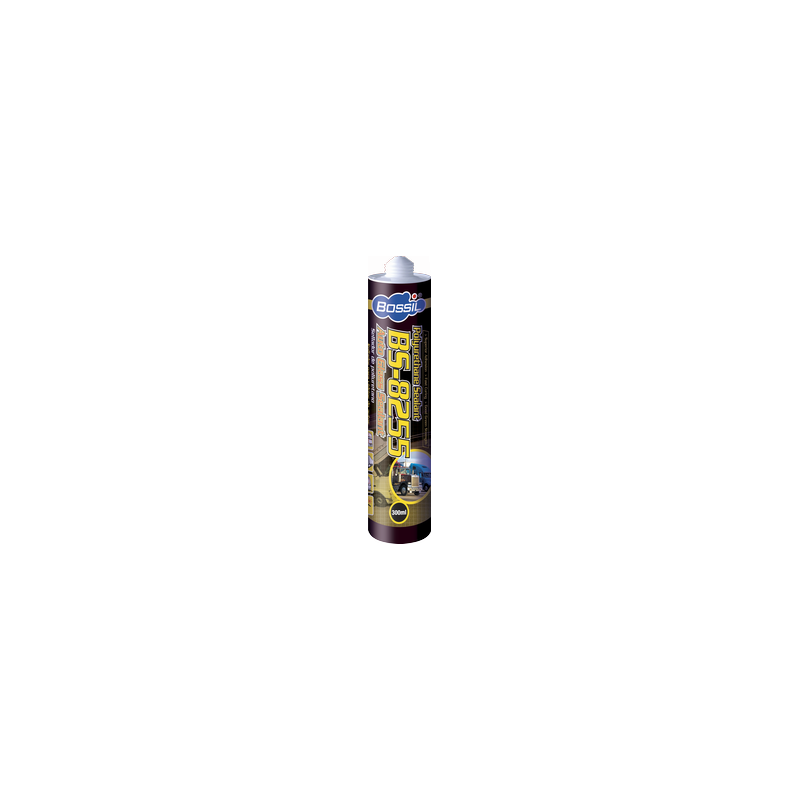
Boss PU Sealant: A Practical Guide to Polyurethane Sealing
Boss PU Sealant is a polyurethane-based sealant designed for sealing joints and gaps in construction and maintenance applications. Polyurethane sealants are valued for their adhesion, flexibility and ability to accommodate movement, making them useful where a durable, weather-resistant seal is required.
What Is PU Sealant?
PU stands for polyurethane. Unlike rigid fillers, a polyurethane sealant generally remains flexible after curing. This flexibility helps it cope with small movements caused by temperature changes, vibration or the natural movement of building materials. The exact performance and suitable applications depend on the specific Boss product, so always consult its packaging and technical data sheet.
Common Applications
Depending on the product specification, Boss PU Sealant may be suitable for sealing joints in areas such as:
- Concrete and masonry
- Window and door frames
- Construction and expansion joints
- Roofing and cladding details
- Selected metal, wood and building-material interfaces
Compatibility can vary by surface and application. Check the manufacturer’s guidance before using the sealant on plastics, painted surfaces, natural stone or any material that may be sensitive to staining or chemical contact.
Key Features to Consider
When choosing a PU sealant, look at the product’s documented properties rather than relying on the product category alone. Relevant details may include adhesion to specific substrates, movement capability, curing time, paintability, weather resistance, colour options and suitability for interior or exterior use. These properties can differ between formulations.
How to Apply Boss PU Sealant
- Prepare the joint: Remove dust, oil, loose material and old sealant. Surfaces should be prepared as directed in the product instructions.
- Use backing material if required: For deeper joints, a suitable backing rod can help control sealant depth and support correct joint design.
- Apply evenly: Load the cartridge into a sealant gun and apply a consistent bead, ensuring good contact with the joint sides.
- Finish the bead: Tool the sealant within the working time stated by the manufacturer. Use only a finishing method recommended for the product.
- Allow it to cure: Protect the joint from water, dust and disturbance for the period specified on the label or technical data sheet.
Safety and Storage
Use Boss PU Sealant in a well-ventilated area and follow the safety instructions on the packaging. Wear suitable gloves and eye protection, avoid contact with skin and eyes, and keep the product away from children. Store cartridges as directed, with the cap fitted securely, and observe the stated shelf life.
Choosing the Right Sealant
Before buying or applying Boss PU Sealant, confirm that the product is suitable for the joint width, joint movement, substrate and exposure conditions. For critical construction work, refer to the current product data sheet and seek advice from the manufacturer or a qualified professional. Correct surface preparation and joint design are essential for reliable sealing.
Note: Product formulations and specifications may vary. The label and current technical data sheet should be treated as the definitive source for application instructions and performance information.
Boss PU Sealant FAQs: Uses, Suitable Surfaces, Application, Curing, Painting and Safe Storage
- What is Boss PU Sealant used for?
- Which surfaces can Boss PU Sealant be applied to?
- Is Boss PU Sealant suitable for indoor and outdoor use?
- How should surfaces be prepared before applying Boss PU Sealant?
- How long does Boss PU Sealant take to cure?
- Can Boss PU Sealant be painted after curing?
- How should Boss PU Sealant be stored and handled safely?
What is Boss PU Sealant used for?
Boss PU Sealant is used to seal joints, gaps and cracks in construction and maintenance work. Depending on the product specification, it may be suitable for surfaces such as concrete, masonry, metal, wood, and around window or door frames. Its flexible polyurethane formulation can help accommodate minor movement and provide a durable seal. Check the product label and technical data sheet to confirm that it is suitable for the specific surface and application.
Which surfaces can Boss PU Sealant be applied to?
Boss PU Sealant can generally be applied to common construction surfaces such as concrete, masonry, metal, wood and selected building materials, provided they are clean, dry and sound. Suitability may vary by product formulation and surface treatment, so check the product label or technical data sheet before use—particularly on plastics, painted surfaces and natural stone. Where recommended, test a small, inconspicuous area first.
Is Boss PU Sealant suitable for indoor and outdoor use?
Boss PU Sealant may be suitable for both indoor and outdoor applications, depending on the specific product formulation and the surfaces being sealed. For outdoor use, check that the product is rated for exposure to weather and UV conditions; for indoor use, ensure the area is well ventilated during application and curing. Always follow the instructions on the packaging and consult the current product data sheet to confirm suitability.
How should surfaces be prepared before applying Boss PU Sealant?
Before applying Boss PU Sealant, ensure the surfaces are clean, dry and sound. Remove dust, oil, grease, loose particles and any old or poorly bonded sealant, then follow the product instructions for any required cleaning or priming. For deeper joints, use a suitable backing rod if specified. Check the latest product data sheet for substrate-specific preparation guidance.
How long does Boss PU Sealant take to cure?
Boss PU Sealant’s curing time depends on the specific product, joint depth, temperature and humidity. It may form a surface skin before it has cured fully, so avoid disturbing or exposing the joint to stress until curing is complete. Check the product label or current technical data sheet for the stated cure rate and recommended waiting time.
Can Boss PU Sealant be painted after curing?
Boss PU Sealant may be paintable after it has fully cured, but paint compatibility can vary by formulation. Check the product label or technical data sheet for the recommended curing time and suitable paints, and test on a small area first.
How should Boss PU Sealant be stored and handled safely?
Boss PU Sealant should be stored in its original, tightly closed cartridge in a cool, dry, well-ventilated place, away from direct sunlight, heat and sources of ignition; follow the storage temperature and shelf-life stated on the product label. Keep it out of reach of children and separate from food and drink. When handling, read the label and safety data sheet, wear suitable gloves and eye protection, avoid contact with skin and eyes, and work in a well-ventilated area. Use only as directed, and dispose of unused product and packaging in accordance with local regulations.