
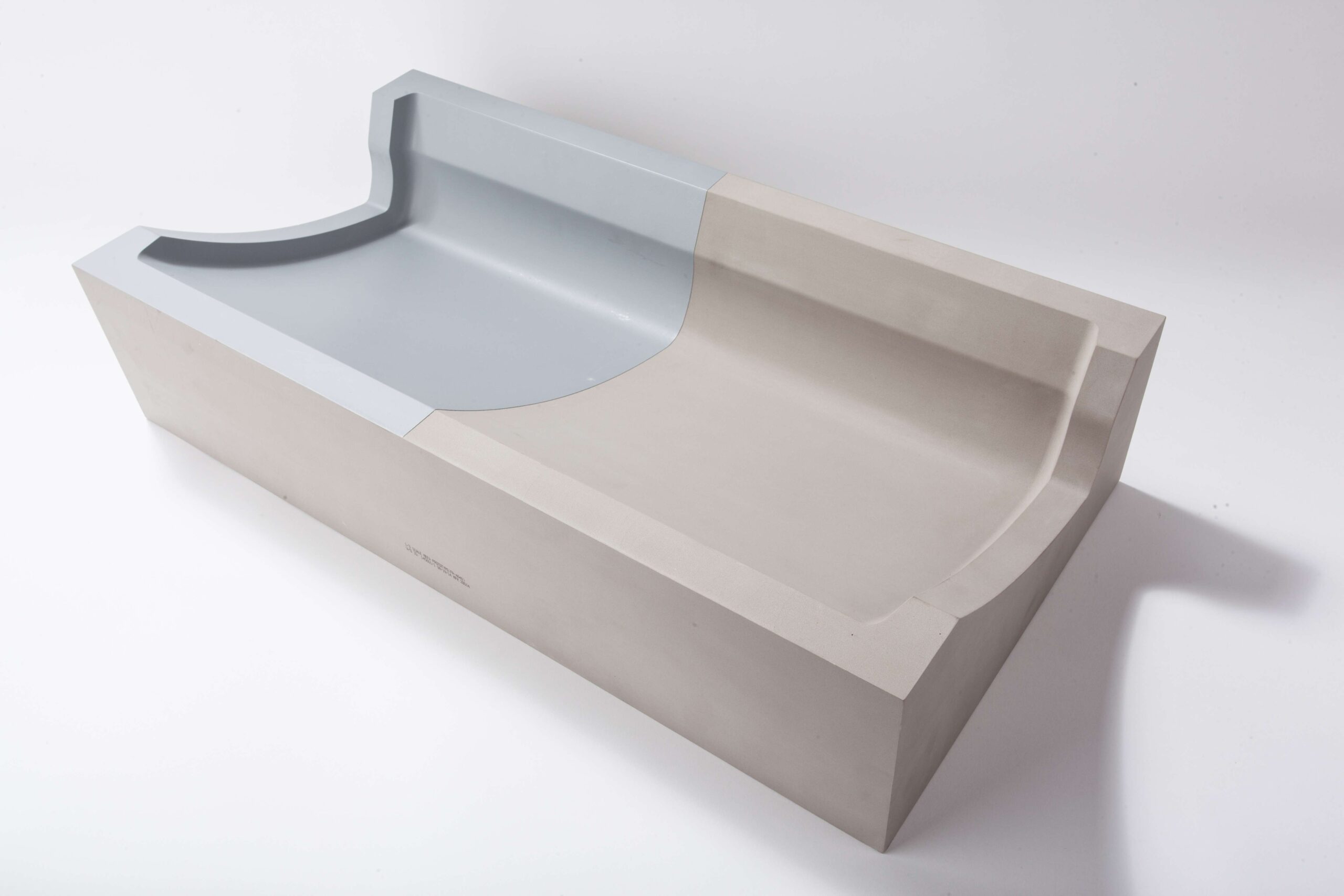
Soft Urethane Foam: A Versatile Material for Everyday Comfort
Soft urethane foam, commonly known as flexible polyurethane (PU) foam, is a lightweight, resilient material used in products ranging from mattresses and furniture to vehicle seating and packaging. Its ability to provide cushioning, support and comfort makes it one of the most widely used forms of polyurethane.
What Is Soft Urethane Foam?
Flexible PU foam is made through a chemical reaction between polyols and isocyanates, with other ingredients added to control properties such as cell structure, density, firmness and resilience. During production, gas forms within the mixture, creating a network of small cells. This cellular structure gives the foam its characteristic softness and cushioning ability.
Depending on its formulation and manufacturing process, soft foam can be produced in a wide range of densities and firmness levels. It may also be designed for particular requirements, such as improved durability, airflow or comfort.
Key Properties
- Cushioning and support: The foam compresses under pressure and can recover its shape, helping it provide comfortable support.
- Low weight: Its cellular structure makes it lightweight, which is useful in furniture, transport and many consumer products.
- Design flexibility: Foam can be made in different shapes, thicknesses, densities and firmness levels.
- Versatility: It can be used on its own or combined with fabrics, springs, covers and other materials.
- Performance options: Formulations can be tailored to suit the needs of specific applications.
Common Applications
Soft urethane foam is found in many everyday products. Common applications include:
- Mattresses, pillows and bedding
- Sofas, chairs and other upholstered furniture
- Vehicle seats, headrests and interior trim
- Office and institutional seating
- Protective packaging and cushioning
- Acoustic and comfort products
- Footwear, clothing and specialist consumer goods
The appropriate foam type depends on how the product will be used. For example, a mattress may need a different balance of firmness and resilience from a seat cushion or protective insert.
How Foam Performance Is Selected
When choosing soft foam, manufacturers and product designers consider factors such as density, firmness, resilience, durability and intended use. Density refers to the mass of foam in a given volume; it is not the same as firmness. Firmness describes how much force is needed to compress the foam. These properties should be assessed alongside product design and relevant testing requirements.
Good performance also depends on the complete product. The cover, upholstery layers, support structure and manufacturing quality can all affect how a foam component feels and performs over time.
Manufacturing and Quality
Flexible PU foam can be produced in large blocks and cut into the required shapes, or manufactured using moulds for specific components. Careful control of raw materials and processing conditions helps achieve consistent cell structure and product properties.
Quality assessment may include tests for dimensions, density, firmness, compression behaviour and durability. Requirements vary by application, so manufacturers should identify the relevant product standards and customer specifications before production.
Responsible Use and Safety
As with other manufactured materials, soft PU foam should be produced, handled and used in accordance with applicable safety requirements. Fire performance is an important consideration in many applications, particularly furniture, bedding and transport interiors. The required performance depends on the product and the regulations that apply in its intended market.
Responsible material management can also include reducing production waste, using efficient cutting practices and exploring suitable reuse or recycling options. End-of-life pathways depend on local infrastructure, product construction and the presence of other materials such as fabrics, adhesives or springs.
A Material with Many Possibilities
Soft urethane foam combines comfort, low weight and design flexibility in a material that serves a wide range of industries. With the right formulation, thoughtful product design and appropriate quality checks, it can be tailored to meet the needs of applications from home furnishings to transport and packaging.
Soft Urethane Foam FAQs: Uses, Density, Firmness, Selection, Lifespan and Recycling
- What is soft urethane foam, and how is it made?
- What are the common uses of soft urethane foam?
- How do foam density and firmness differ?
- How do I choose the right soft urethane foam for a mattress or sofa?
- How long does soft urethane foam typically last?
- Can soft urethane foam be recycled or disposed of responsibly?
What is soft urethane foam, and how is it made?
Soft urethane foam, also called flexible polyurethane foam, is a lightweight, cushioning material used in products such as mattresses, furniture and vehicle seats. It is made by reacting polyols with isocyanates, along with other ingredients that control properties such as firmness, density and resilience. During the reaction, gas creates a network of tiny cells, giving the foam its soft, flexible structure. The formulation and manufacturing process can be adjusted to produce foam suited to different uses.
What are the common uses of soft urethane foam?
Soft urethane foam is commonly used in mattresses, pillows, sofas and chairs, where it provides cushioning and support. It is also found in vehicle seats and interior trim, office seating, footwear, protective packaging and some acoustic products. Its light weight, comfort and ability to be made in different shapes and firmness levels make it suitable for a wide range of everyday and industrial applications.
How do foam density and firmness differ?
Foam density measures the mass of foam in a given volume, while firmness describes how much force is needed to compress it. They are different properties: a higher-density foam is not necessarily firmer, and foams with the same density can have different firmness levels. The right combination depends on the application and the desired balance of support, comfort and durability.
How do I choose the right soft urethane foam for a mattress or sofa?
To choose the right soft urethane foam for a mattress or sofa, consider how it will be used, the level of support and comfort you prefer, and how often it will be used. Compare foam density and firmness as separate properties: density relates to the amount of material in a given volume, while firmness describes how readily the foam compresses. Check the manufacturer’s specifications and, where possible, test the complete mattress or sofa, as covers, upholstery layers and support structures also affect comfort. For products used regularly, look for information on durability and relevant safety requirements, and seek advice from the manufacturer or supplier about the foam grade suited to your needs.
How long does soft urethane foam typically last?
Soft urethane foam typically lasts around 5 to 10 years, although its lifespan varies with foam quality, density, how often it is used, and the conditions in which it is kept. Foam in frequently used seating may wear out sooner, while foam in lightly used applications can last longer. Keeping it clean, dry and well supported can help extend its life; replace it when it no longer provides adequate comfort or support, or shows significant sagging or damage.
Can soft urethane foam be recycled or disposed of responsibly?
Yes, soft urethane foam can sometimes be recycled, depending on its condition, composition and the facilities available locally. Options may include reusing suitable offcuts, mechanical recycling into products such as carpet underlay, or other specialist recovery processes. Before disposal, check with your local waste authority or a foam recycler, as collection rules vary and foam should not automatically be placed in household recycling bins. Keeping it clean and separate from other materials can help identify suitable recovery options. Where recycling is not available, dispose of the foam through an approved waste service and follow local requirements.