
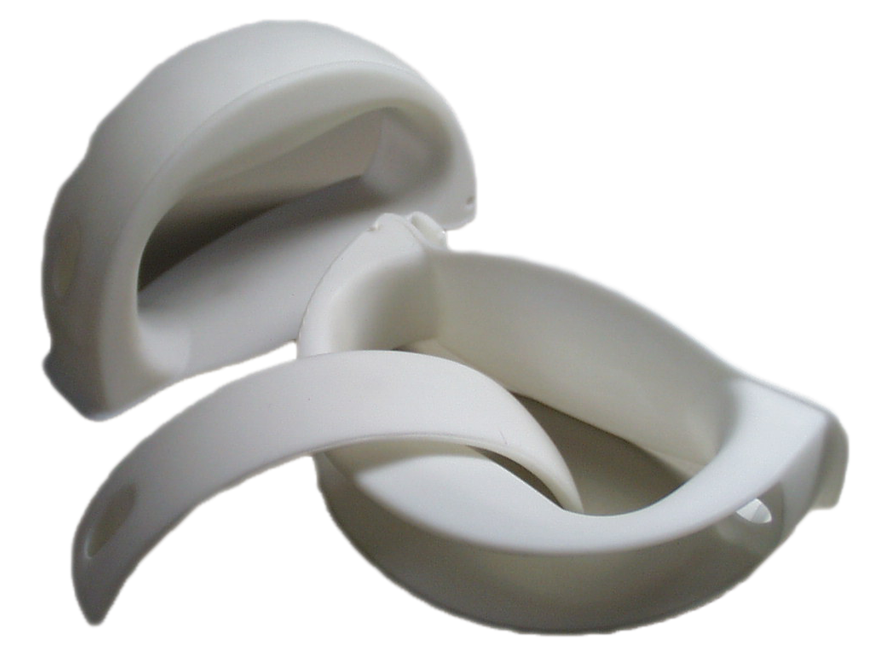
Urethane Casting: A Practical Guide to the Process, Materials and Applications
Urethane casting is a manufacturing process used to produce small batches of plastic parts from polyurethane resin. It is also known as vacuum casting or polyurethane casting. The process uses a silicone mould made from a master pattern, making it useful for prototypes, product testing and limited production runs.
What Is Urethane Casting?
Urethane is a common name for polyurethane materials. In urethane casting, liquid polyurethane resin is mixed and poured into a flexible silicone mould. The resin cures inside the mould and takes on the shape and surface details of the master pattern.
Unlike injection moulding, which generally uses a durable metal tool and is suited to larger production volumes, urethane casting uses relatively quick-to-make silicone moulds. This can make it a practical option when a small number of parts is needed before committing to higher-volume tooling.
How the Urethane Casting Process Works
- Create a master pattern: A master part is produced, often using 3D printing or CNC machining. Its finish and accuracy influence the final cast parts.
- Make the silicone mould: The master is placed in a mould box and surrounded by liquid silicone. Once the silicone cures, the mould is cut open and the master is removed.
- Prepare the resin: The two components of the polyurethane resin are measured and mixed according to the supplier’s instructions. Pigments or additives may be included where suitable.
- Cast the part: The mixed resin is poured into the silicone mould. Vacuum casting equipment is often used to reduce air bubbles and help the resin fill detailed areas.
- Cure and finish: After curing, the part is removed from the mould. Excess material is trimmed, and any required finishing or inspection is completed.
Benefits of Urethane Casting
- Useful for low-volume production: It can produce multiple parts without the investment required for production-grade metal tooling.
- Shorter tooling lead times: Silicone moulds can generally be made more quickly than complex injection moulds.
- Good detail reproduction: Flexible silicone can capture fine surface features and accommodate some undercuts.
- Material and appearance options: Depending on the resin, cast parts can be made with different colours, levels of transparency, hardness and flexibility.
- Suitable for product evaluation: Parts can be used to assess fit, appearance and some functional characteristics before a design moves to mass production.
Common Applications
Urethane casting is used across a range of industries, including automotive, consumer products, medical equipment, electronics and industrial design. Typical applications include:
- Product prototypes and design models
- Housings, covers and enclosures
- Buttons, knobs and small components
- Flexible parts such as seals, pads and grips
- Visual models for presentations or market testing
- Limited-run replacement or specialist parts
Choosing a Urethane Casting Material
Polyurethane casting resins are available in formulations designed for different requirements. Some are selected for rigidity, while others provide flexibility or impact resistance. Certain grades can be made to resemble materials such as ABS, polypropylene or rubber, but a cast resin is not necessarily identical to the material it imitates.
When selecting a resin, consider the part’s intended use, required hardness, colour, surface finish, operating temperature and exposure to chemicals or sunlight. Confirm the material’s technical data with the supplier, especially if the part will be used in a demanding or regulated application.
Design Considerations
Good part design helps improve mould filling, consistency and finished quality. Wall thickness should be as even as practical, and sharp internal corners may be softened with suitable radii. The mould design should also account for parting lines, gates, vents and any features that could make removal difficult.
Although silicone moulds are flexible, they have a limited service life. The number of usable casts depends on the part geometry, resin, mould design and handling. Very thin sections, deep undercuts or highly demanding tolerances may require additional design work or a different manufacturing process.
Urethane Casting Compared with Injection Moulding
Urethane casting is often considered for prototypes and low-volume runs because its tooling is comparatively quick to make and does not require a metal injection mould. Injection moulding is generally more suitable for large production volumes, where the cost of durable tooling can be spread across many parts.
The best option depends on the required quantity, budget, material performance, dimensional requirements and production timeline. Urethane casting can also serve as a bridge between initial prototypes and full-scale manufacturing.
Safety and Quality
Polyurethane resin components must be handled according to the manufacturer’s safety data and instructions. Appropriate protective equipment, ventilation, accurate mixing and controlled curing conditions are important. Finished parts should be inspected for defects such as bubbles, incomplete filling, flash and dimensional variation.
Conclusion
Urethane casting is a versatile method for making detailed polyurethane parts in small quantities. Its silicone moulds, range of resin options and relatively quick setup make it useful for prototyping and limited production. Careful material selection, part design and process control help ensure that the finished components meet their intended requirements.
Urethane Casting FAQs: Process, Benefits, Materials, Finishes and Applications
- What is urethane casting, and how does the process work?
- What are the main advantages of urethane casting?
- Which materials and finishes are available for urethane-cast parts?
- How does urethane casting compare with injection moulding?
- What types of products and prototypes can be made using urethane casting?
What is urethane casting, and how does the process work?
Urethane casting is a process for making small batches of plastic parts using polyurethane resin and a flexible silicone mould. First, a master pattern is created, usually by 3D printing or machining, and used to make the mould. The resin’s components are then mixed and poured into the mould; vacuum casting is often used to help reduce air bubbles and fill fine details. Once the resin has cured, the part is removed, trimmed and inspected. The method is commonly used for prototypes and limited production runs.
What are the main advantages of urethane casting?
Urethane casting offers several advantages, particularly for prototypes and low-volume production. It uses silicone moulds that are quicker and less expensive to make than production-grade metal tooling, helping reduce initial costs and lead times. The process can reproduce fine details and surface finishes, and polyurethane resins are available in a range of colours, hardness levels and flexible or rigid formulations. This makes urethane casting a practical way to test a product’s fit, appearance and function before investing in large-scale manufacturing.
Which materials and finishes are available for urethane-cast parts?
Urethane-cast parts are available in a range of polyurethane formulations, from rigid and impact-resistant grades to flexible, rubber-like materials, with options for different hardness levels, colours and levels of transparency. Some resins are designed to resemble plastics such as ABS or polypropylene, although their properties may differ from the original materials. Finishes can include smooth, matte or glossy surfaces, while textures can be reproduced from the master pattern; parts may also be painted or coated if required. Available materials and finishes depend on the resin supplier, mould design and intended application.
How does urethane casting compare with injection moulding?
Urethane casting is generally better suited to prototypes and small production runs, as it uses silicone moulds that are quicker and less expensive to make than metal injection moulds. It can reproduce fine details and offers a range of polyurethane finishes and properties. Injection moulding, on the other hand, requires a greater investment in tooling but is usually more economical for large production volumes and offers faster, more consistent output at scale. The right process depends on the required quantity, budget, material properties and production timeline.
What types of products and prototypes can be made using urethane casting?
Urethane casting can be used to make a wide range of prototypes and low-volume products, including product housings, enclosures, knobs, buttons, covers, seals, grips and other flexible or rigid components. It is also useful for detailed visual models, fit-and-function prototypes, display models and limited-run parts for industries such as automotive, consumer goods, electronics and medical equipment. The choice of polyurethane resin can provide different colours, finishes and levels of hardness or flexibility, depending on the design and intended use.