
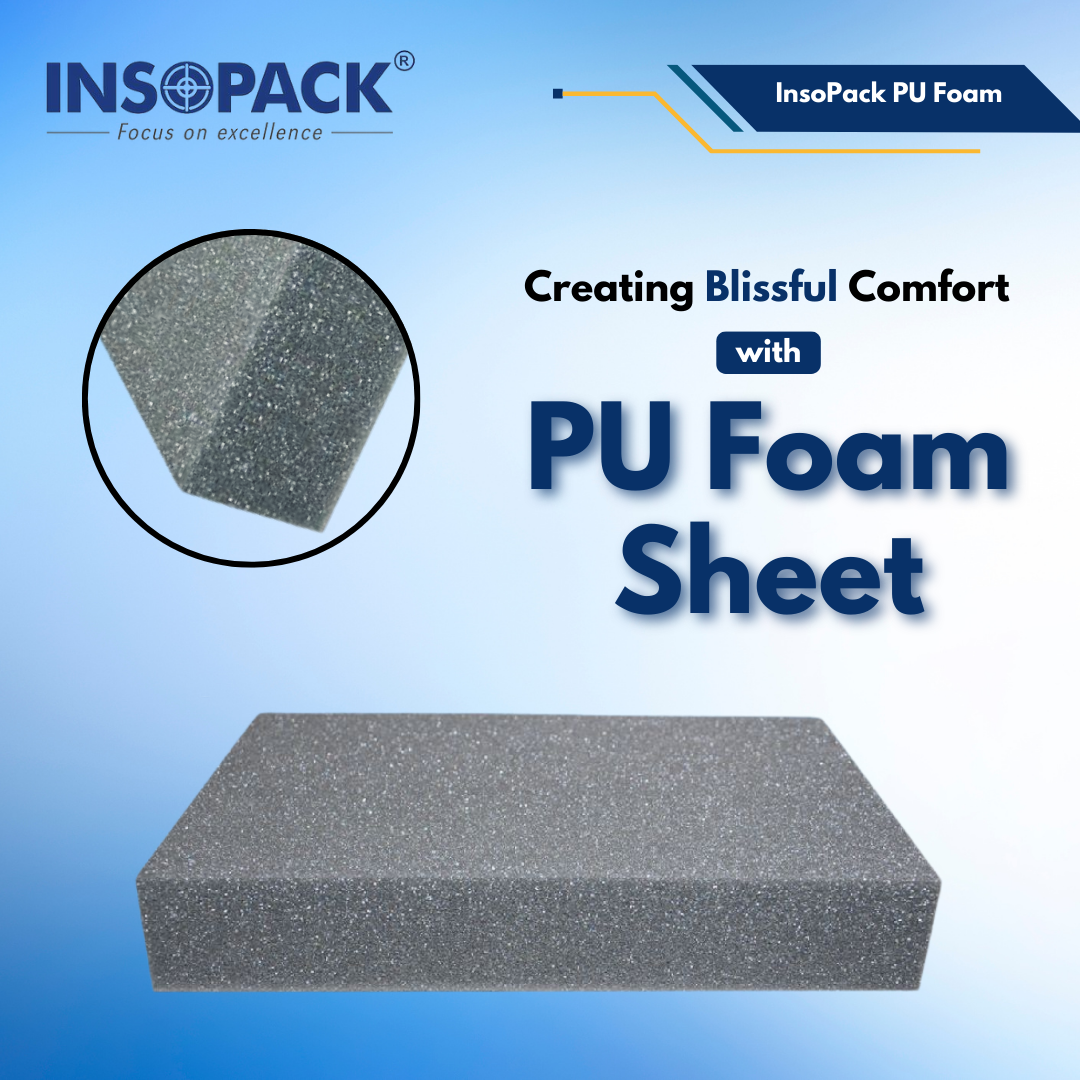
Polyurethane Flexible Foam: A Versatile Material for Everyday Comfort
Polyurethane flexible foam is a lightweight, resilient material used in products ranging from mattresses and furniture to vehicle seats and packaging. Its ability to cushion, recover its shape and be made in different densities and firmness levels has made it an important material across many industries.
What Is Flexible Polyurethane Foam?
Polyurethane, often shortened to PU, is a family of materials made by reacting polyols with isocyanates. In flexible foam production, this reaction creates a cellular structure containing many small air pockets. The structure allows the foam to compress under pressure and spring back when the pressure is removed.
Foam properties can be adjusted by changing the formulation and manufacturing process. This makes it possible to produce grades with different levels of softness, support, resilience, density and airflow.
How Is It Made?
Flexible foam is generally produced by mixing polyols, isocyanates and carefully selected additives. These may include catalysts, surfactants, colourants and blowing agents. During the reaction, gas forms and expands the mixture into a cellular foam, which is then allowed to cure before being cut or shaped for use.
Manufacturing is carried out using controlled processes and appropriate safety measures. The properties of the finished foam depend on the recipe, production conditions and any subsequent treatments.
Common Applications
- Furniture: Cushions for sofas, chairs and other upholstered products.
- Bedding: Mattress and pillow components designed for comfort and support.
- Automotive: Seating, headrests and interior cushioning.
- Packaging: Protective cushioning for products that need to be secured during transport.
- Other uses: Applications in footwear, healthcare products, toys and acoustic treatments, depending on the foam grade.
Key Characteristics
Comfort and support: Foam can be formulated to provide a particular balance of softness and support.
Resilience: Many flexible foam grades recover their shape after compression, helping them perform during repeated use.
Light weight: Its cellular structure provides cushioning without adding substantial weight.
Design flexibility: Foam can be cut, moulded or combined with other materials to suit different product designs.
Range of properties: Manufacturers can tailor density, firmness, airflow and other characteristics to meet the needs of an application.
Choosing the Right Foam
There is no single flexible foam that is suitable for every purpose. Selection depends on how the product will be used, the required comfort and support, expected service life, applicable standards and the conditions it may face. For example, a foam used in furniture may have different performance requirements from one used in vehicle seating or protective packaging.
Density and firmness are related but distinct properties. Density describes the mass of foam in a given volume, while firmness refers to how the foam responds to compression. Both should be considered alongside durability and other application-specific requirements.
Safety and Responsible Use
As with other manufactured materials, safe production and handling depend on following the relevant workplace procedures, product specifications and regulations. Finished foam products should be used as intended, and any care or fire-safety guidance supplied by the manufacturer should be followed. Requirements can vary by product and location.
Recycling and Sustainability
Flexible polyurethane foam is durable and can help products provide comfort and cushioning over a long period. At the end of a product’s life, however, recovery can be challenging because foam may be bonded to fabrics, adhesives, springs or other materials. Recycling and reuse options depend on the foam type, product design and local collection infrastructure.
Designing products for longer use, making materials easier to separate and developing effective collection and recycling systems can all contribute to more responsible material management. The most suitable approach depends on the product and the facilities available in the region.
Conclusion
Polyurethane flexible foam is valued for its comfort, resilience, light weight and adaptability. Its wide range of formulations allows it to serve many applications, from household furniture to transport and packaging. Choosing the appropriate foam and managing it responsibly throughout its life cycle are important steps in making the most of this versatile material.
8 Essential Tips for Choosing, Handling and Using Flexible Polyurethane Foam Safely
- Choose foam density and firmness to suit its intended use.
- Check the product label and follow the supplier’s guidance.
- Use foam that meets applicable Indian safety standards.
- Keep flexible foam away from flames and other ignition sources.
- For foam production, ensure good ventilation and suitable protective equipment.
- Allow freshly made foam to cure as directed before use.
- Protect foam from prolonged sunlight, heat and moisture.
- Dispose of foam responsibly; do not burn it.
Choose foam density and firmness to suit its intended use.
Choose the foam density and firmness according to how the product will be used. Density affects the foam’s weight and can be an indicator of its durability, while firmness describes how much it resists compression. A mattress, sofa cushion or vehicle seat may each need a different balance of support and comfort, so consider the application, expected use and manufacturer’s specifications before selecting a foam grade.
Check the product label and follow the supplier’s guidance.
Before using, cleaning or disposing of a polyurethane flexible foam product, check its label and follow the supplier’s guidance. Instructions may vary depending on the foam type and its application, and can include advice on care, storage, ventilation and safe handling. Following the product-specific recommendations helps maintain performance and supports safe, appropriate use.
Use foam that meets applicable Indian safety standards.
Choose polyurethane flexible foam that complies with the applicable Indian safety standards for its intended use. Check product documentation and confirm that the foam is suitable for the relevant application, as requirements may differ for furniture, mattresses, vehicles and other products. When in doubt, seek guidance from the manufacturer or supplier.
Keep flexible foam away from flames and other ignition sources.
Keep polyurethane flexible foam away from open flames, hot surfaces, sparks and other ignition sources, as it can ignite and burn. Follow the product manufacturer’s safety instructions, and take particular care when using foam near heaters, cooking equipment or during activities such as welding. Never leave foam close to a heat source unattended.
For foam production, ensure good ventilation and suitable protective equipment.
During polyurethane flexible foam production, ensure the work area has effective ventilation to help control exposure to process chemicals and vapours. Workers should use protective equipment suited to the materials and tasks, as specified in product safety data sheets and workplace procedures. Follow applicable safety regulations, provide appropriate training and maintain equipment properly.
Allow freshly made foam to cure as directed before use.
Allow freshly made polyurethane flexible foam to cure for the time specified by the manufacturer before using it. Curing gives the foam time to stabilise and develop its intended properties. Follow the product instructions and any recommended ventilation and handling precautions, as curing times can vary depending on the formulation and conditions.
Protect foam from prolonged sunlight, heat and moisture.
Protect polyurethane flexible foam from prolonged exposure to direct sunlight, heat and moisture to help preserve its comfort, resilience and service life. Sunlight and high temperatures can cause the foam to age or deteriorate, while damp conditions may encourage mould or unpleasant odours. Keep foam products in a cool, dry, well-ventilated place, and follow the manufacturer’s care instructions.
Dispose of foam responsibly; do not burn it.
Dispose of polyurethane flexible foam responsibly—do not burn it. Burning foam can release harmful smoke and gases, posing risks to people and the environment. Check with your local waste-management authority or recycling centre for suitable collection and disposal options, and follow any instructions provided for the product.