
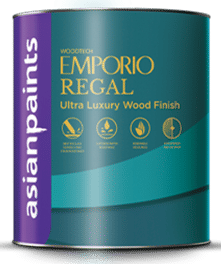
PU Clear: A Protective Finish for Wood, Metal and Other Surfaces
PU clear, short for polyurethane clear coat, is a transparent protective finish applied over a surface to preserve its appearance and improve durability. It forms a clear film that can help protect the underlying material from everyday wear, spills and surface damage. Depending on the product, it may provide a glossy, satin or matt finish.
What Is PU Clear?
Polyurethane is a family of materials used in coatings, adhesives, sealants and other products. In a clear coating, polyurethane resin creates a transparent layer over a prepared surface. The coating is commonly used on wood, and certain formulations are designed for metal, concrete, automotive parts or other substrates.
PU clear is not one universal product. Its performance and suitability depend on the formulation, the surface being coated and the conditions in which it will be used. Always check the product label and technical data sheet before choosing a coating.
Common Types of PU Clear
- One-component (1K) PU clear: Supplied ready to use or requiring limited preparation. It is often selected for smaller projects and general-purpose applications.
- Two-component (2K) PU clear: Supplied with a separate hardener that is mixed with the coating before application. It can offer strong resistance to wear and chemicals when correctly mixed and applied.
- Water-based PU clear: Uses water as the main carrier and is often chosen where lower odour or easier clean-up is preferred. Its drying and performance characteristics vary by product.
- Solvent-based PU clear: Uses organic solvents and may be used where a particular finish or performance is required. Good ventilation and careful handling are especially important.
Where Is PU Clear Used?
PU clear is widely used to finish wooden furniture, doors, flooring, cabinets and decorative panels. It can also be used in industrial, automotive or construction settings when the coating is specifically formulated for those applications. A product intended for indoor furniture, for example, may not be suitable for outdoor exposure or vehicle use.
Benefits of a PU Clear Finish
- Surface protection: The coating can help reduce damage from abrasion, scuffs and routine handling.
- Resistance to spills: Some formulations provide resistance to water, oils or household chemicals, within the limits stated by the manufacturer.
- Appearance: A clear finish can enhance the look of the underlying material while offering a choice of sheen levels.
- Versatility: Different formulations are available for a range of substrates and service conditions.
How to Apply PU Clear
Good preparation is essential for an even, lasting finish. The surface should be clean, dry and free from dust, grease and loose material. Wood may need sanding and a compatible sealer or primer, while metal and other substrates may require their own preparation system.
- Read the product instructions, including coverage, drying time and recommended application method.
- Prepare the surface and remove sanding dust before coating.
- Mix the product as directed. For a 2K coating, use the specified hardener ratio and observe the stated pot life.
- Apply thin, even coats using the recommended brush, roller or spray equipment.
- Allow each coat to dry as instructed. Sand between coats only if the product guidance calls for it.
- Allow the coating to cure fully before putting the surface into regular use.
Temperature, humidity, ventilation and application thickness can affect drying and the final appearance. A small test patch is a sensible way to check compatibility and finish before coating the entire surface.
Safety and Storage
Follow the safety directions on the product label and safety data sheet. Wear the recommended protective equipment and work in a well-ventilated area. Some solvent-based and 2K products may contain hazardous substances, so avoid inhaling vapours or spray mist and keep the product away from flames and other ignition sources. Store containers tightly closed, away from heat and out of reach of children.
Choosing the Right PU Clear
When selecting PU clear, consider the substrate, indoor or outdoor exposure, expected wear, desired sheen and application method. Check whether the product is compatible with any stain, primer or previous coating, and confirm its resistance properties for the intended use. Consulting the manufacturer or a coatings professional can help identify the right system for the job.
With a suitable product, careful surface preparation and correct application, PU clear can provide a clean, attractive finish while helping protect the surface beneath it.
PU Clear FAQs: Uses, Suitable Surfaces, Coats, Drying Time and Surface Preparation
- What is PU clear and what is it used for?
- Can PU clear be applied to wood, metal and other surfaces?
- How many coats of PU clear should be applied?
- How long does PU clear take to dry and fully cure?
- How should a surface be prepared before applying PU clear?
What is PU clear and what is it used for?
PU clear, or polyurethane clear coat, is a transparent protective coating applied over surfaces such as wood, metal or concrete. It helps preserve the underlying material and can improve resistance to everyday wear, scuffs and spills, depending on the product. PU clear is commonly used on furniture, doors, flooring, cabinets and other surfaces where a durable finish is needed. It is available in different formulations and sheen levels, so check that the product is suitable for the material and intended use.
Can PU clear be applied to wood, metal and other surfaces?
Yes, PU clear can be applied to wood, metal and other surfaces, provided the product is formulated for that material. Wood may need sanding and a suitable sealer, while metal often requires cleaning and a compatible primer to help the coating adhere. Other surfaces, such as concrete or plastic, may need specialised preparation or a specific PU clear product. Always check the manufacturer’s instructions, prepare the surface properly and test the coating on a small area first.
How many coats of PU clear should be applied?
The number of PU clear coats depends on the product, surface and level of protection required. In many applications, two to three thin, even coats are recommended, allowing each coat to dry as directed and sanding lightly between coats only if the manufacturer’s instructions specify it. Check the product label or technical data sheet, as drying times and recoating requirements vary.
How long does PU clear take to dry and fully cure?
PU clear drying and curing times vary by product, number of coats, temperature, humidity and ventilation. It may become touch-dry within a few hours, while recoating can take longer; full curing—when the finish reaches its intended hardness and resistance—may take several days or longer. Two-component products may cure differently from one-component or water-based coatings. Always follow the manufacturer’s instructions and avoid heavy use or cleaning until the coating has fully cured.
How should a surface be prepared before applying PU clear?
Before applying PU clear, ensure the surface is clean, dry and free from dust, grease, wax and loose material. Sand it evenly using the grit recommended for the substrate, then remove all sanding dust with a clean, lint-free cloth or suitable vacuum. Repair any cracks or imperfections, and apply a compatible primer or sealer if the product instructions require one. For previously coated surfaces, check compatibility and remove any peeling or unsound finish. Always follow the manufacturer’s preparation guidance and test the coating on a small, inconspicuous area first.