
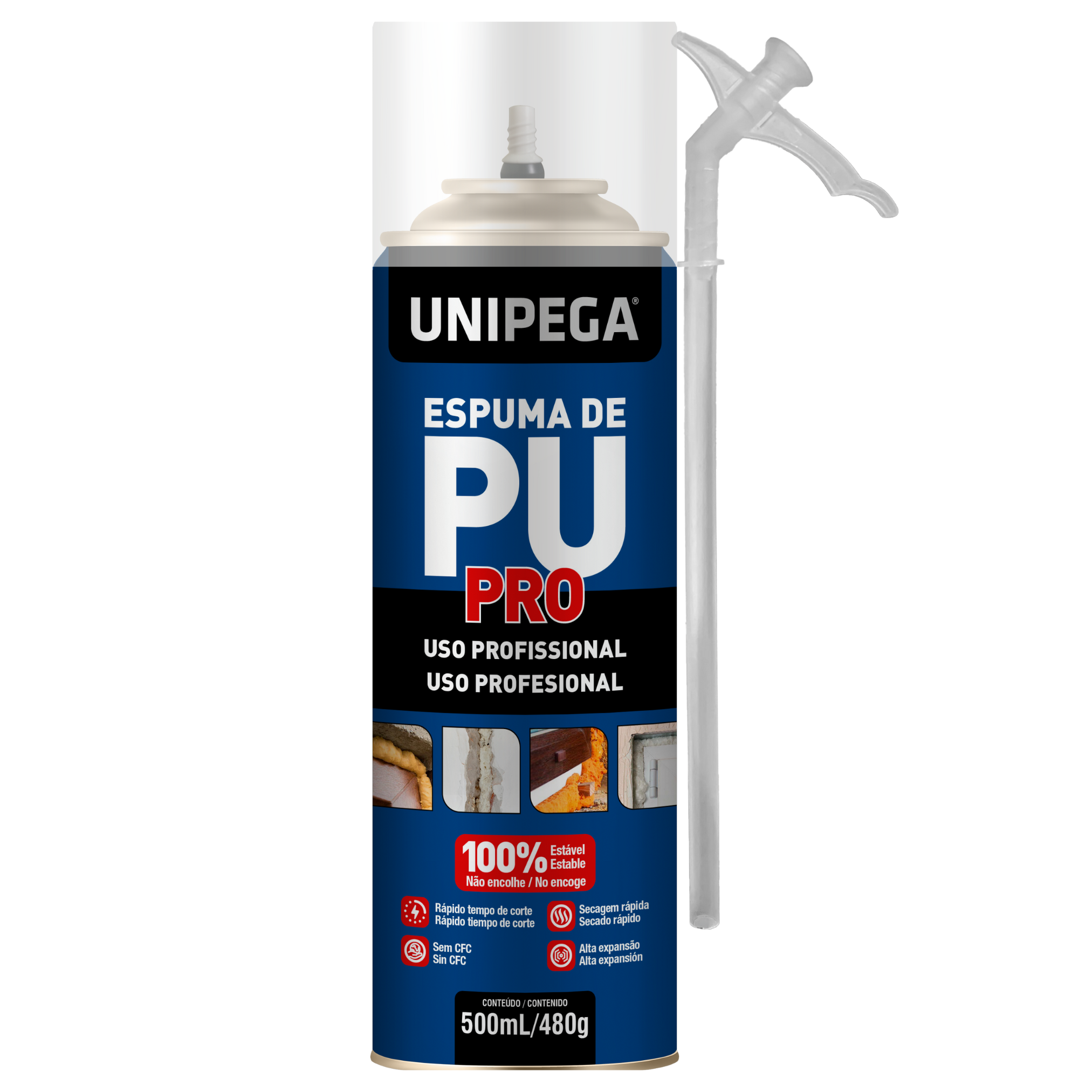
PU Expanding Foam: Uses, Benefits and Safe Application
Polyurethane (PU) expanding foam is a versatile material used to fill gaps, seal joints and help insulate buildings and equipment. It is supplied in cans or professional dispensing systems and expands after application, filling spaces that can be difficult to reach with conventional materials. Its combination of adhesion, low weight and insulating properties makes it useful in construction, renovation and maintenance.
What Is PU Expanding Foam?
PU expanding foam is made from polyurethane-forming chemicals that react and create a cellular structure. Many commonly available products are one-component foams: they cure with moisture in the surrounding air and substrate. Two-component systems use separate components that react when mixed, allowing faster and more controlled curing in certain applications.
As the foam cures, it expands to fill the space in which it has been applied. Expansion rates and curing times vary by product, temperature, humidity and application method, so the manufacturer’s instructions should always be followed.
Common Applications
- Gap filling: Sealing gaps around pipes, conduits, frames and service penetrations.
- Window and door installation: Filling the space between a frame and the surrounding wall, where the selected foam is suitable for the assembly.
- Thermal insulation: Reducing heat transfer through small cavities and difficult-to-access areas.
- Air sealing: Helping limit unwanted air movement through cracks and openings.
- Acoustic control: Reducing some sound transmission through gaps, although it is not a substitute for a complete sound-insulation system.
- Repair and maintenance: Filling irregular voids in suitable building and industrial applications.
Benefits of PU Expanding Foam
When correctly selected and applied, PU foam can form a close-fitting seal around irregular shapes. It is lightweight, can adhere to many common building materials and can provide useful thermal insulation. Its ability to expand also means that a small quantity can fill a relatively large cavity.
Different formulations are available for different requirements. These may include low-expansion foams for door and window frames, flexible foams for joints subject to movement, and products designed for professional dispensing. The right product depends on the substrate, the size of the gap, the expected movement and the exposure conditions.
How to Apply It
- Choose the correct product: Check that the foam is suitable for the intended use, substrate and conditions.
- Prepare the area: Remove loose dust, oil and debris. Protect nearby surfaces, as cured foam can be difficult to remove.
- Follow the label: Observe the instructions for shaking, nozzle or gun use, temperature range and application technique.
- Apply in a controlled amount: Foam expands after application. Avoid filling the entire cavity unless the product instructions specifically call for it.
- Allow it to cure: Leave the foam undisturbed for the stated curing period before trimming or finishing.
- Protect the finished foam: Where required, cover it with a suitable sealant, coating or building finish.
Safety and Limitations
Uncured PU foam can irritate the skin, eyes and respiratory system. Use it in a well-ventilated area and wear the personal protective equipment specified on the product label, typically gloves and eye protection. Keep the product away from heat, sparks and open flames, and store and dispose of containers according to the manufacturer’s instructions and local requirements.
Expanding foam is not suitable for every gap or joint. Excessive expansion can place pressure on delicate frames or finishes, while movement-prone joints may require a flexible sealant or a specifically formulated foam. Standard foam should not be assumed to be waterproof, fire-resistant or suitable for permanent exposure to sunlight. UV exposure can degrade unprotected foam, and fire performance depends on the tested product and the complete building assembly.
Choosing the Right Foam
Before buying, consider the gap size, substrate, expected movement, indoor or outdoor exposure and any required fire or building-performance ratings. For larger projects or safety-critical applications, seek guidance from a qualified professional and consult the product’s technical data sheet. Correct product selection, careful application and appropriate finishing help PU expanding foam perform as intended.
PU Expanding Foam: 8 FAQs on Expansion Rate, Uses and Differences from Regular Foam
- What is the expansion rate of PU foam?
- What is expanding polyurethane foam?
- Where can I use PU foam?
- What is PU foam used for?
- What is the difference between PU foam and normal foam?
- What is the purpose of PU foam?
- What is PU expanding foam?
- Is PU foam the same as expanding foam?
What is the expansion rate of PU foam?
The expansion rate of PU foam varies by product and application method. One-component foams typically expand after dispensing as they react with moisture, while two-component foams may expand more quickly and predictably. The amount of expansion also depends on factors such as temperature, humidity and the size of the gap. Check the product label or technical data sheet for its stated expansion rate, and apply foam in stages where needed to avoid overfilling or putting pressure on nearby frames and surfaces.
What is expanding polyurethane foam?
Expanding polyurethane (PU) foam is a lightweight sealing and insulating material that grows after application to fill gaps, cracks and cavities. Commonly supplied in cans or professional dispensing systems, it cures into a cellular structure and can adhere to many building materials. It is often used around pipes, frames and service openings, but the correct product should be selected for the application and used according to its instructions, as expansion, curing time and performance vary between formulations.
Where can I use PU foam?
PU expanding foam can be used to fill and seal suitable gaps around window and door frames, pipes, cables and other service openings, as well as in some cavities where added insulation is needed. It adheres to many common building materials, but the right foam depends on the surface, gap size and conditions. Check the product label before use, particularly for outdoor, fire-rated or movement-prone applications, and protect cured foam from sunlight where required.
What is PU foam used for?
PU (polyurethane) foam is used to fill and seal gaps, cracks and cavities, particularly around windows, doors, pipes and other building services. As it expands and cures, it can help reduce air leakage and provide thermal insulation; some products also help limit sound transmission. Choose a foam suited to the application, as expansion, flexibility, fire performance and resistance to moisture or sunlight vary between products.
What is the difference between PU foam and normal foam?
PU foam is a type of polyurethane foam that expands after application, making it useful for filling gaps, sealing openings and providing insulation. “Normal foam” usually refers to pre-formed foam, such as sponge or cushioning foam, which is made to retain a particular shape and is mainly used for comfort or padding. The exact properties vary by product, so check the label to confirm its intended use—expanding PU foam is generally not a substitute for cushioning foam, and vice versa.
What is the purpose of PU foam?
PU (polyurethane) foam is used to fill and seal gaps, cracks and cavities, helping reduce air leakage and heat transfer. Its expanding action allows it to fit around pipes, frames and other irregular spaces, making it useful for insulation and building repairs. Depending on the product, it may also help limit draughts and reduce sound passing through gaps. Always choose a foam suited to the application and follow the manufacturer’s instructions, as PU foam is not automatically waterproof, fire-resistant or suitable for every joint.
What is PU expanding foam?
PU expanding foam is a polyurethane-based material that expands and hardens after application, helping fill gaps, seal joints and insulate cavities. It is commonly used in construction and repair work, such as around pipes, window frames and door frames. The foam is available in different formulations, so it is important to choose one suited to the application and follow the product instructions for safe use.
Is PU foam the same as expanding foam?
PU foam and expanding foam are often used to describe the same product: polyurethane foam that expands as it cures. However, “expanding foam” is a broader term and may refer to foams made from other materials too. Check the product label to confirm its composition, expansion rate and suitability for your application.