
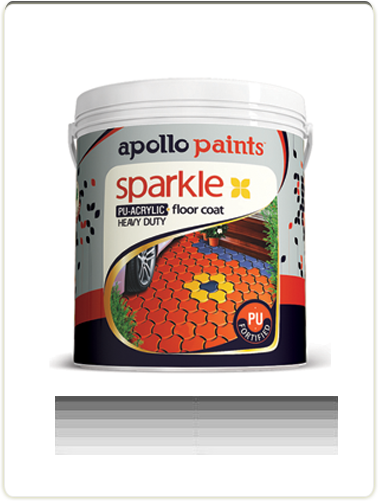
PU Acrylic: A Versatile Coating for Modern Applications
PU acrylic is a coating or finish that combines polyurethane (PU) and acrylic technologies. The exact formulation varies by product, but these coatings are generally designed to balance the durability and surface protection associated with polyurethane with the colour retention and weather resistance commonly associated with acrylics.
What Is PU Acrylic?
Polyurethane coatings are valued for their toughness, abrasion resistance and ability to protect surfaces from wear. Acrylic coatings are often chosen for their colour stability, ease of application and resistance to sunlight. A PU acrylic product may use a blend of these materials or a specially engineered hybrid system. Its performance depends on the formulation, substrate and application method.
PU acrylic should not be treated as a single, standardised product. Some formulations are intended for interior use, while others are designed for outdoor exposure or specific industrial requirements. Always check the product’s technical data sheet to confirm its properties and suitability.
Common Applications
- Furniture and woodwork: Used as a finish on cabinets, doors, furniture and decorative timber surfaces.
- Metal surfaces: Some systems are suitable for metal components, equipment and fabricated products when used with the recommended primer.
- Automotive and industrial parts: Selected formulations are used where a coloured, protective finish is required.
- Buildings and interiors: Depending on the product, PU acrylic coatings may be used on suitable walls, fixtures or other surfaces.
- Decorative finishes: Available in different colours and sheen levels for both functional and aesthetic purposes.
Potential Benefits
Depending on the formulation, a PU acrylic coating may offer a useful combination of surface hardness, flexibility, colour retention and resistance to everyday wear. It can provide an attractive finish while helping protect the underlying material from scratches, moisture or environmental exposure. These properties make PU acrylic a practical option when appearance and protection are both important.
Performance can differ significantly between products. Factors such as resin type, number of coats, surface preparation, curing conditions and exposure to chemicals or sunlight all affect the final result.
How to Choose a PU Acrylic Product
Before selecting a coating, consider where and how the finished surface will be used. Check whether the product is intended for indoor or outdoor applications and confirm compatibility with the substrate. Review its resistance to abrasion, water, chemicals and UV exposure, as well as its drying and curing requirements.
It is also important to establish whether the product is water-based or solvent-based, whether it requires a primer, and whether it is supplied as a one-pack or multi-pack system. Follow the manufacturer’s instructions rather than assuming that products with similar names have the same performance.
Application and Safety
- Prepare the surface by removing dust, grease, loose material and other contaminants.
- Sand or prime the surface if required by the product instructions.
- Apply the coating using the recommended tool and method, such as a brush, roller or spray equipment.
- Allow the specified drying or curing time between coats and before putting the surface into service.
- Use suitable ventilation and protective equipment, and follow the safety information on the product label and safety data sheet.
Poor preparation, incorrect mixing, unsuitable environmental conditions or insufficient curing can lead to defects such as uneven colour, weak adhesion or premature wear. A small test application is advisable, especially on unfamiliar surfaces.
Conclusion
PU acrylic is a broad term for polyurethane–acrylic coatings that aim to combine protective performance with a durable, attractive finish. It can be useful across furniture, building, automotive and industrial applications, but suitability depends on the specific formulation. Comparing technical data sheets and following the manufacturer’s application and safety guidance are essential for achieving reliable results.
5 Key Benefits of PU Acrylic Finishes
- Offers a durable, attractive finish.
- Can provide good colour retention.
- Suitable for a range of surfaces and applications.
- Available in different colours and sheen levels.
- Can combine protection with decorative appeal.
7 Drawbacks of PU Acrylic Coatings to Consider Before Use
- Can cost more than basic acrylic coatings.
- Surface preparation must be thorough.
- Some formulations require careful mixing.
- Curing can take longer than expected.
- Application may need specialist equipment.
- Solvent-based types can produce strong fumes.
- Performance varies widely between products.
Offers a durable, attractive finish.
PU acrylic offers a durable, attractive finish that helps surfaces maintain their appearance with everyday use. Its smooth, even coating can enhance the look of materials such as wood and metal, while providing protection against wear and minor scratches. Available in different colours and sheen levels, it is a practical choice when both lasting performance and visual appeal matter.
Can provide good colour retention.
One advantage of PU acrylic coatings is their ability to provide good colour retention. Depending on the formulation and exposure conditions, they can help colours stay vibrant for longer, making them a suitable choice for surfaces where appearance matters. For best results, select a product designed for the intended use and follow the manufacturer’s application instructions.
Suitable for a range of surfaces and applications.
One of the key advantages of PU acrylic is its versatility. Depending on the product formulation, it can be used on a range of surfaces, including wood, metal and selected building materials, making it suitable for applications such as furniture, interior fittings and industrial components. This flexibility helps users choose a finish that meets both the practical needs of a project and the desired appearance. Always check the product’s technical data sheet to confirm surface compatibility and application requirements.
Available in different colours and sheen levels.
PU acrylic coatings are available in a wide range of colours and sheen levels, making it easier to match a finish to different styles and applications. Choose a subtle matt finish for a soft, understated look, a satin finish for a gentle sheen, or a gloss finish for a brighter, more reflective appearance. This variety makes PU acrylic a versatile option for furniture, interiors and other surfaces where both protection and appearance matter.
Can combine protection with decorative appeal.
PU acrylic coatings can combine reliable surface protection with an attractive decorative finish. They help guard suitable surfaces against everyday wear while offering a choice of colours and sheen levels to complement different styles. This makes them a practical option for applications where durability and appearance are equally important.
Can cost more than basic acrylic coatings.
One drawback of PU acrylic is that it can cost more than basic acrylic coatings. The added polyurethane component and specialised formulation may increase the purchase price, which can make it less suitable for projects with tight budgets or large areas to cover. Compare the upfront cost with the coating’s expected durability and maintenance needs to decide whether it offers good value for your application.
Surface preparation must be thorough.
One drawback of PU acrylic is that it requires thorough surface preparation before application. The surface must be clean, dry and free from dust, grease, loose paint and other contaminants to help the coating adhere properly. Any shortcuts can lead to peeling, uneven coverage or a poor-quality finish, adding time and effort to the project.
Some formulations require careful mixing.
Some PU acrylic formulations require careful mixing before application, particularly when they are supplied as two-part products. The components must be combined in the correct ratio and stirred thoroughly to achieve consistent performance. Incorrect mixing can affect the coating’s finish, adhesion, drying time and durability, so it is important to follow the manufacturer’s instructions closely.
Curing can take longer than expected.
One drawback of PU acrylic is that curing can take longer than expected. Although the surface may feel dry to the touch, the coating may need additional time to harden fully and reach its intended durability. Cool or humid conditions, thick coats, limited ventilation and incorrect application can extend this period. Using the surface too soon may lead to marks, scratches or a poor finish, so follow the manufacturer’s curing instructions and allow adequate time before handling or putting it into service.
Application may need specialist equipment.
One drawback of PU acrylic is that application may require specialist equipment, such as spray guns or other purpose-built tools, to achieve a smooth, even finish. This can increase the initial cost and make the coating less convenient for small projects or do-it-yourself users. In some cases, trained professionals may also be needed to operate the equipment safely and apply the product correctly.
Solvent-based types can produce strong fumes.
Solvent-based PU acrylic coatings can produce strong fumes during application and while drying, which may cause discomfort and make them unsuitable for poorly ventilated spaces. Use them only with good ventilation, follow the manufacturer’s safety instructions, and wear the recommended protective equipment.
Performance varies widely between products.
One drawback of PU acrylic is that its performance can vary widely from one product to another. Differences in formulation, quality and intended use can affect durability, flexibility, UV resistance, adhesion and drying time. As a result, a coating that performs well on one surface or in one environment may not be suitable for another. Check the product’s technical data sheet and test it on a small area before use.