
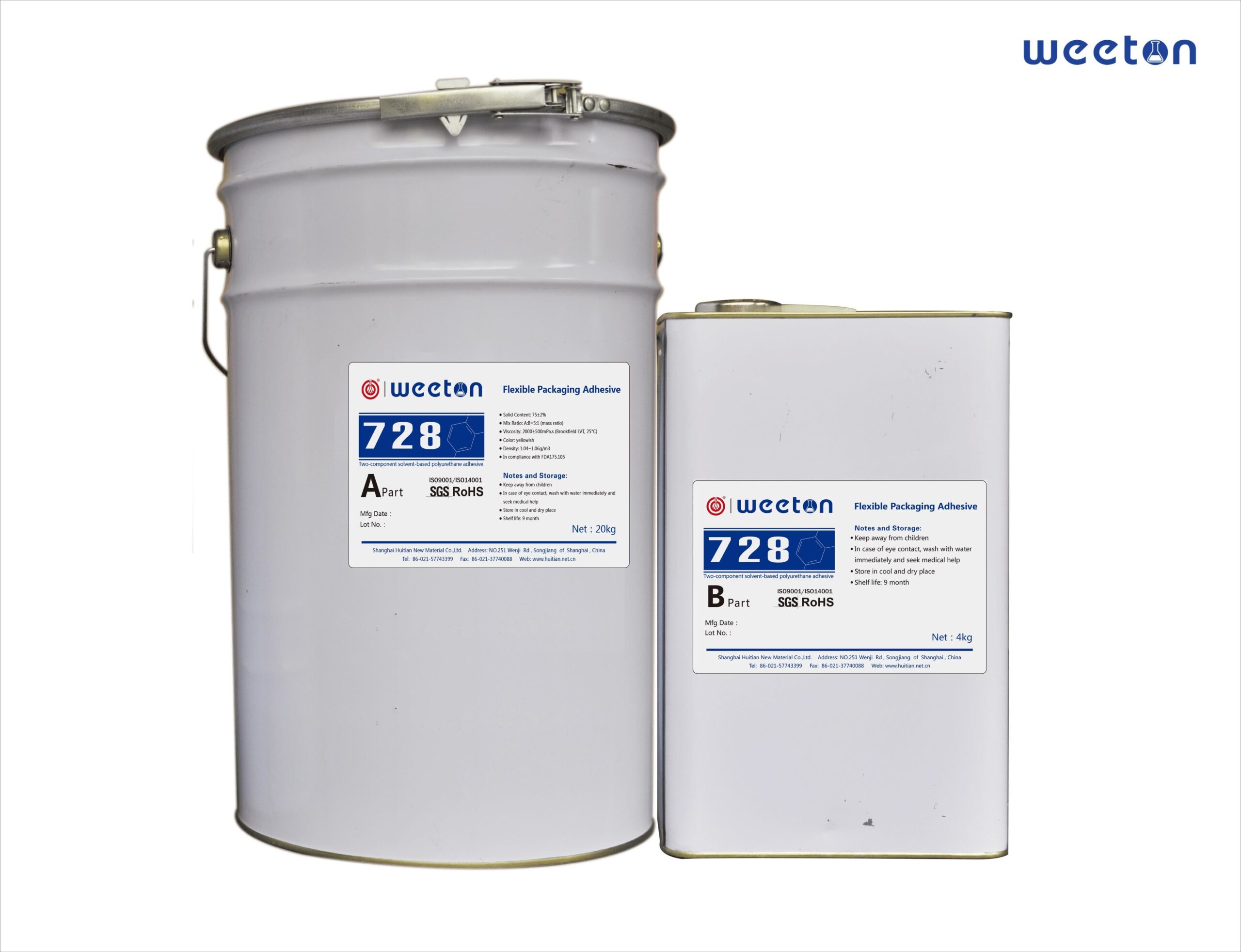
Polyurethane Adhesives: Strength, Flexibility and Versatility
Polyurethane adhesives are widely used to bond a variety of materials in industries ranging from construction and furniture to automotive and packaging. Known for their strong adhesion and flexibility, they can provide reliable bonds in applications where materials face movement, vibration or changing environmental conditions.
What Are Polyurethane Adhesives?
Polyurethane adhesives are formulated using polyurethane polymers. Depending on the product, they may be supplied as one-component or two-component systems. One-component adhesives typically cure through exposure to moisture in the air or on the surface. Two-component adhesives use a resin and a hardener that are mixed before application, allowing the adhesive to cure through a chemical reaction.
Formulations vary considerably. Some are designed to remain flexible after curing, while others provide a harder bond. The choice depends on the materials being joined and the conditions the bond must withstand.
Key Properties
- Strong bonding: Suitable formulations can bond materials such as wood, metals, concrete, plastics and composites.
- Flexibility: Many polyurethane adhesives can accommodate some movement between bonded surfaces.
- Resistance to impact and vibration: Their flexibility can help absorb stress in certain applications.
- Weather resistance: Some products are designed for exposure to moisture and outdoor conditions, subject to the manufacturer’s specifications.
- Versatile curing options: Products are available for different application methods, working times and production requirements.
Performance depends on the adhesive formulation, surface preparation, application thickness, curing conditions and the materials being bonded. Not every polyurethane adhesive is suitable for every substrate or environment.
Common Applications
Polyurethane adhesives are used in many sectors. In construction, they can be used for flooring, panels, insulation materials and selected assembly applications. Furniture and woodworking manufacturers use them to bond components and laminates. In the automotive and transport sectors, they may be used in interior components, trim and other assemblies. They are also used in footwear, appliances, packaging and composite manufacturing.
Choosing the Right Adhesive
Selecting an adhesive begins with understanding the application. Consider the materials to be joined, the size and design of the bond, and whether the finished product will face heat, moisture, chemicals, ultraviolet exposure, impact or vibration. Other factors include the required setting time, application method, production volume and any regulatory requirements.
Always check the product’s technical data sheet to confirm that it is suitable for the intended materials and service conditions. For demanding or safety-critical applications, testing the adhesive under realistic conditions is important.
Application and Handling
Good surface preparation is essential. Surfaces may need to be clean, dry and free from dust, oil, loose coatings or other contaminants. Some substrates may require abrasion, a primer or another preparation step specified by the manufacturer.
Apply the adhesive in accordance with the product instructions, including the recommended quantity, open time, clamping pressure and curing conditions. Allow the bond to cure for the specified period before placing it under load. Handling and curing requirements differ between products, so the label and technical documentation should always be followed.
Safety and Responsible Use
Polyurethane adhesive products can have different health and safety requirements. Some formulations contain reactive ingredients that may cause irritation or sensitisation. Read the safety data sheet, use the recommended personal protective equipment and ensure adequate ventilation. Avoid skin and eye contact, and store products as directed. Uncured adhesive and packaging should be handled and disposed of in accordance with the product instructions and local regulations.
Conclusion
Polyurethane adhesives offer a combination of bonding strength, flexibility and formulation choice that makes them useful across many industries. Their performance depends on selecting the right product, preparing the surfaces properly and following the manufacturer’s application and safety guidance. With these considerations in place, they can provide durable bonds for a wide range of products and assemblies.
Polyurethane Adhesive FAQs: Uses, Disadvantages, Composition and Comparisons
- What is polyurethane adhesive used for?
- What are the disadvantages of polyurethane adhesive?
- What is the difference between acrylic and polyurethane adhesive?
- What is the best adhesive to bond polyurethane?
- What is polyurethane adhesive made of?
- What kind of glue is polyurethane?
What is polyurethane adhesive used for?
Polyurethane adhesive is used to bond a wide range of materials, including wood, metal, concrete, plastics, rubber and composites. It is commonly found in construction, furniture and woodworking, automotive, footwear and manufacturing applications. Depending on the formulation, it can provide a strong, durable bond that accommodates movement, vibration or exposure to moisture. Always check the product’s instructions to ensure it is suitable for the materials and conditions involved.
What are the disadvantages of polyurethane adhesive?
Polyurethane adhesives have a few limitations: some take longer to cure, and moisture-curing products may need suitable humidity to perform as expected. Certain formulations can expand or foam during curing, so careful application and clamping may be necessary. Uncured products may contain ingredients that can irritate or sensitise the skin or respiratory system, making ventilation and protective equipment important. They may also be unsuitable for particular materials or conditions, and some formulations can deteriorate under prolonged UV exposure. Always check the product’s technical and safety data sheets before use.
What is the difference between acrylic and polyurethane adhesive?
Acrylic and polyurethane adhesives differ mainly in their formulation and typical performance. Acrylic adhesives often offer rapid bonding and good resistance to sunlight and weathering, making them useful for applications that need a quick, durable bond; however, some types can be more rigid once cured. Polyurethane adhesives are generally valued for flexibility, impact resistance and their ability to bond a range of materials, making them suitable where joints may experience movement or vibration. Both are available in different formulations, so the best choice depends on the materials, curing conditions and service environment—check the product specifications before use.
What is the best adhesive to bond polyurethane?
A polyurethane adhesive is often a suitable choice for bonding polyurethane, particularly when the joint needs to remain flexible. However, the best option depends on whether the material is flexible foam, rigid foam, a coating or solid polyurethane, as well as the material being bonded to it. Check the adhesive manufacturer’s guidance for compatibility, prepare the surfaces as directed and test the bond on a small sample before use.
What is polyurethane adhesive made of?
Polyurethane adhesive is primarily made from polyurethane polymers, which are formed by reacting polyols with isocyanates. Depending on the product, it may also contain additives such as catalysts, fillers, stabilisers or solvents to adjust its strength, flexibility, curing time and application properties. Some adhesives are supplied as a single component and cure when exposed to moisture, while others are two-part products in which the components are mixed before use. The exact composition varies by formulation, so check the product label and safety data sheet for details.
What kind of glue is polyurethane?
Polyurethane glue is a strong, versatile adhesive made from polyurethane polymers. Depending on the formulation, it may cure when exposed to moisture or require two components to be mixed before use. It can bond materials such as wood, metal, concrete, plastics and composites, and many formulations remain flexible after curing, helping accommodate movement and vibration. The exact strength, curing time and suitability vary by product, so check the manufacturer’s instructions and safety information before use.