
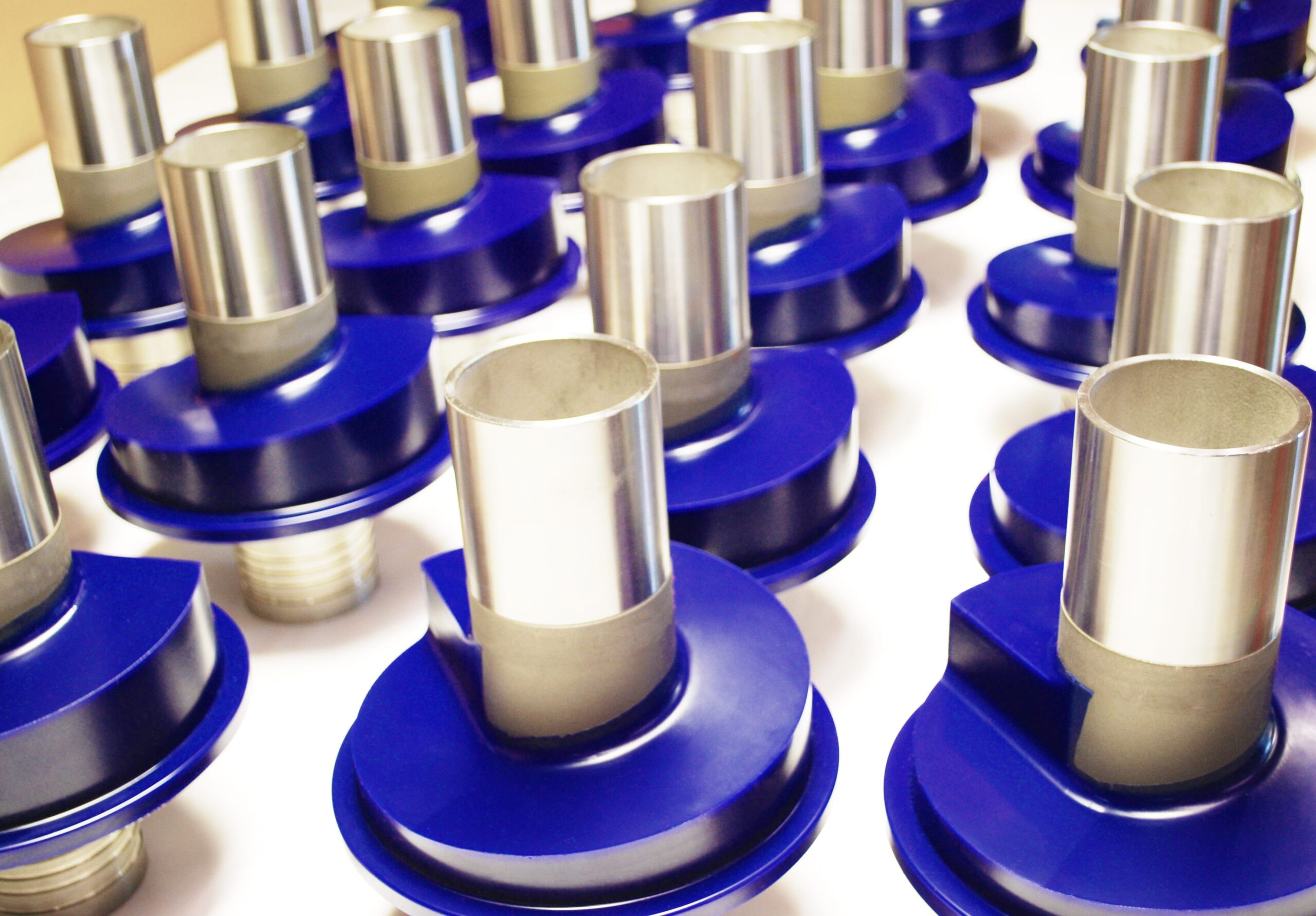
The Process of Polyurethane Casting
Polyurethane casting is a versatile manufacturing process that involves the pouring of liquid polyurethane material into a mold to create custom parts and components. This method is widely used across various industries due to its ability to produce high-quality, durable products with precise dimensions and intricate details.
The Steps Involved in Polyurethane Casting:
- Mold Preparation: The first step in polyurethane casting is preparing the mold. The mold can be made from various materials such as silicone, rubber, or metal, depending on the complexity of the part being produced.
- Mixing: Next, the liquid polyurethane material is carefully mixed with additives and colorants to achieve the desired properties and appearance. The mixing process is crucial to ensure uniformity and consistency in the final product.
- Pouring: Once the mixture is ready, it is poured into the prepared mold. The mold is then sealed to prevent leakage and air bubbles from forming during the curing process.
- Curing: The polyurethane material is left to cure and solidify within the mold. The curing time can vary depending on factors such as temperature, humidity, and the specific formulation of the material.
- Demolding: After the polyurethane has fully cured, the part is removed from the mold. Care must be taken during demolding to avoid damaging the finished product.
- Finishing: Finally, any excess material or imperfections are trimmed or sanded off to achieve a smooth surface finish. Additional post-processing steps such as painting or coating may also be carried out as needed.
Applications of Polyurethane Casting:
Polyurethane casting finds widespread applications in industries such as automotive, aerospace, electronics, healthcare, and consumer goods. It is used to produce a variety of components including gaskets, seals, bushings, wheels, prototypes, decorative items, and more.
The versatility of polyurethane casting allows manufacturers to create custom parts that meet specific performance requirements while offering cost-effective production solutions. With advancements in material formulations and manufacturing techniques, polyurethane casting continues to play a vital role in modern industrial processes.
Exploring Polyurethane Casting: Key FAQs and Insights
- What is polyurethane casting?
- How does the polyurethane casting process work?
- What are the advantages of using polyurethane casting?
- What industries commonly use polyurethane casting?
- Are there different types of polyurethane materials used in casting?
- What considerations should be taken into account when designing parts for polyurethane casting?
What is polyurethane casting?
Polyurethane casting is a manufacturing process that involves pouring liquid polyurethane material into a mold to create custom parts and components. This method is widely used across industries for its ability to produce high-quality, durable products with precise dimensions and intricate details. The process begins with preparing a mold, followed by mixing the liquid polyurethane material with additives and colorants to achieve the desired properties. The mixture is then poured into the mold, where it cures and solidifies before being demolded and finished to achieve the final product. Polyurethane casting offers versatility and customization options, making it a popular choice for producing a wide range of parts in various industries.
How does the polyurethane casting process work?
The polyurethane casting process involves pouring liquid polyurethane material into a mold to create custom parts and components. The process begins with preparing a mold, which can be made from materials like silicone, rubber, or metal. The liquid polyurethane is then mixed with additives and colorants before being poured into the mold. After pouring, the material is left to cure and solidify within the mold. Once fully cured, the part is demolded carefully to avoid any damage. Any excess material or imperfections are trimmed or sanded off during finishing. Polyurethane casting is a versatile manufacturing method used in various industries to produce high-quality products with precise dimensions and intricate details.
What are the advantages of using polyurethane casting?
One of the key advantages of using polyurethane casting is its versatility in producing custom parts with high precision and intricate details. The process allows for the creation of complex shapes and designs that may be challenging or costly to achieve using traditional manufacturing methods. Polyurethane casting also offers a wide range of material properties, including flexibility, durability, impact resistance, and chemical resistance, making it suitable for diverse applications across industries. Additionally, polyurethane parts produced through casting exhibit excellent dimensional stability and consistency, ensuring reliable performance in various operating conditions. Overall, the advantages of polyurethane casting lie in its ability to deliver cost-effective solutions tailored to meet specific requirements while maintaining high quality standards.
What industries commonly use polyurethane casting?
Polyurethane casting is widely utilized across a diverse range of industries for its versatility and ability to produce high-quality custom parts. Some of the industries that commonly use polyurethane casting include automotive, aerospace, electronics, healthcare, and consumer goods. In the automotive sector, polyurethane casting is employed to manufacture components such as gaskets, seals, bushings, and wheels that require durability and resistance to wear and tear. In aerospace applications, polyurethane casting is used for producing lightweight yet strong parts for aircraft and spacecraft. The electronics industry utilizes polyurethane casting for encapsulating delicate electronic components to protect them from environmental factors. In healthcare, custom medical devices and prosthetics are often made using polyurethane casting due to its biocompatibility and flexibility. Additionally, in the consumer goods industry, polyurethane casting is used to create decorative items, prototypes, and various other products with intricate details and precise dimensions.
Are there different types of polyurethane materials used in casting?
Understanding the Different Types of Polyurethane Materials Used in Casting
Yes, there are different types of polyurethane materials that are commonly used in casting processes. The choice of polyurethane material depends on various factors such as the desired properties of the final product, application requirements, and environmental considerations. Some common types of polyurethane materials used in casting include:
- Polyester-Based Polyurethanes: These materials offer good mechanical properties and chemical resistance, making them suitable for applications requiring durability and strength.
- Polyether-Based Polyurethanes: Known for their excellent flexibility and impact resistance, polyether-based polyurethanes are often used in applications where resilience and cushioning properties are crucial.
- MDI (Methylene Diphenyl Diisocyanate) Polyurethanes: MDI-based polyurethanes provide high abrasion resistance and thermal stability, making them ideal for demanding applications such as automotive parts and industrial components.
- TDI (Toluene Diisocyanate) Polyurethanes: TDI-based polyurethanes are valued for their cost-effectiveness and ease of processing. They are commonly used in applications where a balance between performance and affordability is required.
By understanding the unique characteristics of each type of polyurethane material, manufacturers can select the most suitable option to achieve the desired performance attributes in their casted products.
What considerations should be taken into account when designing parts for polyurethane casting?
When designing parts for polyurethane casting, several key considerations should be taken into account to ensure successful production and optimal performance of the final components. Factors such as part geometry, material selection, mold design, draft angles, undercuts, and surface finish requirements play a crucial role in the casting process. Designing parts with uniform wall thickness, rounded edges, and adequate support structures can help prevent issues like air traps and material flow disruptions during casting. Additionally, incorporating features that facilitate easy demolding and post-processing operations will streamline the manufacturing process and enhance the overall quality of the cast parts. By carefully addressing these considerations in the design phase, manufacturers can maximize the efficiency and effectiveness of polyurethane casting operations.