
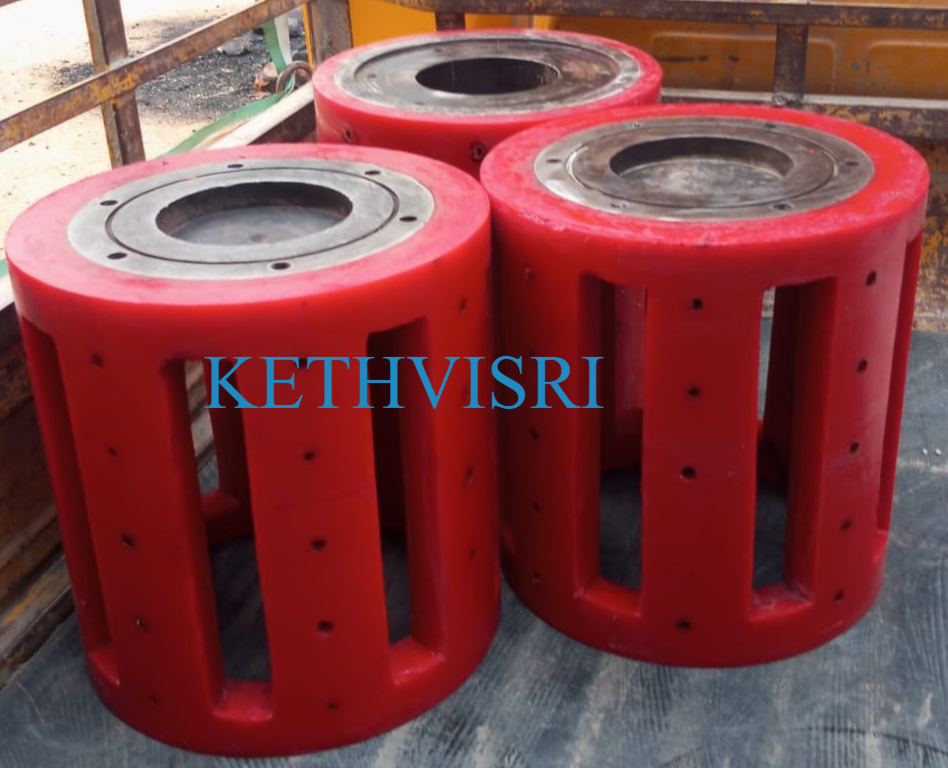
The Benefits of Polyurethane Coating on Metal Surfaces
When it comes to protecting metal surfaces from corrosion, wear, and environmental factors, polyurethane (PU) coating stands out as a versatile and effective solution. PU coatings offer a range of benefits that make them a popular choice for various industries.
Durability
PU coatings provide excellent durability and resistance to abrasion, impact, and chemicals. This makes them ideal for applications where metal surfaces are exposed to harsh conditions or high levels of wear and tear.
Corrosion Protection
One of the primary reasons for using PU coatings on metal is their ability to protect against corrosion. By forming a barrier between the metal surface and the external environment, PU coatings help prevent rust and degradation, extending the lifespan of the metal component.
Versatility
PU coatings can be formulated to meet specific requirements such as flexibility, hardness, or UV resistance. This versatility allows for customization based on the intended use of the coated metal surface, making PU coatings suitable for a wide range of applications.
Aesthetic Appeal
In addition to their protective properties, PU coatings can also enhance the appearance of metal surfaces. They are available in various colors and finishes, allowing for customization that can improve the visual appeal of products or equipment.
Environmental Friendliness
Many PU coatings are formulated to be environmentally friendly, with low volatile organic compound (VOC) content and compliance with regulations on emissions. This makes them a sustainable choice for businesses looking to reduce their environmental impact.
In conclusion, polyurethane coating on metal surfaces offers a combination of durability, protection, versatility, aesthetic appeal, and environmental friendliness. Whether used in industrial equipment, automotive parts, or architectural structures, PU coatings play a crucial role in enhancing the performance and longevity of metal components.
Understanding Polyurethane Coating on Metal: Key Benefits, Protection Mechanisms, and Environmental Considerations
- What is polyurethane (PU) coating on metal?
- What are the benefits of using PU coating on metal surfaces?
- How does PU coating protect metal from corrosion?
- Is PU coating suitable for outdoor applications on metal?
- Can PU coatings be customized for specific requirements on metal surfaces?
- Are there environmental considerations when using PU coatings on metal?
What is polyurethane (PU) coating on metal?
Polyurethane (PU) coating on metal refers to the application of a protective layer of polyurethane material onto metal surfaces. This coating serves as a barrier that shields the metal from corrosion, abrasion, impact, and other environmental factors that can lead to deterioration. PU coatings are known for their durability, flexibility, and versatility, making them an ideal choice for enhancing the lifespan and performance of metal components in various industries. By providing a seamless and protective layer, polyurethane coatings help maintain the integrity of metal surfaces while also offering aesthetic appeal and customization options based on specific requirements.
What are the benefits of using PU coating on metal surfaces?
Polyurethane (PU) coating on metal surfaces offers a multitude of benefits that make it a preferred choice for various applications. The primary advantage of using PU coating is its exceptional durability, providing protection against abrasion, impact, and chemicals. Additionally, PU coatings act as a barrier to prevent corrosion, extending the lifespan of metal components by shielding them from rust and degradation. Furthermore, the versatility of PU coatings allows for customization based on specific requirements such as flexibility, hardness, or UV resistance. With the added benefit of enhancing the aesthetic appeal of metal surfaces and being environmentally friendly with low VOC content, PU coatings stand out as a versatile and effective solution for protecting and improving the performance of metal structures.
How does PU coating protect metal from corrosion?
Polyurethane (PU) coating protects metal from corrosion by forming a durable barrier between the metal surface and external elements such as moisture, chemicals, and atmospheric pollutants. This barrier effectively seals the metal, preventing corrosive agents from coming into direct contact with the metal substrate. PU coatings are known for their excellent adhesion properties, which ensure that the coating adheres firmly to the metal surface, creating a protective shield that inhibits oxidation and rust formation. Additionally, PU coatings can be formulated with additives that enhance their resistance to corrosion, making them an effective solution for prolonging the lifespan of metal components exposed to harsh environments.
Is PU coating suitable for outdoor applications on metal?
Is PU Coating Suitable for Outdoor Applications on Metal?
Yes, polyurethane (PU) coating is highly suitable for outdoor applications on metal surfaces. PU coatings are known for their excellent durability and resistance to environmental factors such as UV radiation, moisture, and temperature variations. When applied correctly, PU coatings form a protective barrier that helps prevent corrosion and degradation of metal surfaces exposed to outdoor conditions. Additionally, PU coatings can be customized to meet specific requirements for outdoor use, making them a reliable choice for enhancing the longevity and performance of metal components in various outdoor settings.
Can PU coatings be customized for specific requirements on metal surfaces?
Polyurethane (PU) coatings can indeed be customized to meet specific requirements on metal surfaces. One of the key advantages of PU coatings is their versatility in formulation, allowing for tailored solutions based on the intended use of the coated metal. Whether the requirement is for enhanced flexibility, increased hardness, improved UV resistance, or specific color and finish preferences, PU coatings can be adjusted to address these needs effectively. This customization capability makes PU coatings a popular choice for industries looking to protect and enhance metal surfaces with specialized performance characteristics.
Are there environmental considerations when using PU coatings on metal?
Environmental Considerations of PU Coatings on Metal Surfaces
One of the frequently asked questions regarding the use of polyurethane (PU) coatings on metal surfaces is about the environmental considerations. It is essential to address this concern as environmental sustainability is a critical aspect of modern industrial practices. When using PU coatings on metal, it is important to consider factors such as the formulation of the coating, its impact on air quality, and its disposal at the end of its lifecycle.
Many PU coatings are now formulated to be environmentally friendly, with low volatile organic compound (VOC) content and compliance with regulations on emissions. This helps in reducing air pollution and minimizing harmful effects on human health and the environment. Additionally, proper waste management practices should be followed to ensure that PU-coated metal components are disposed of responsibly, either through recycling or safe disposal methods.
By being mindful of these environmental considerations and choosing eco-friendly PU coatings for metal surfaces, industries can minimize their carbon footprint and contribute to a more sustainable future.