
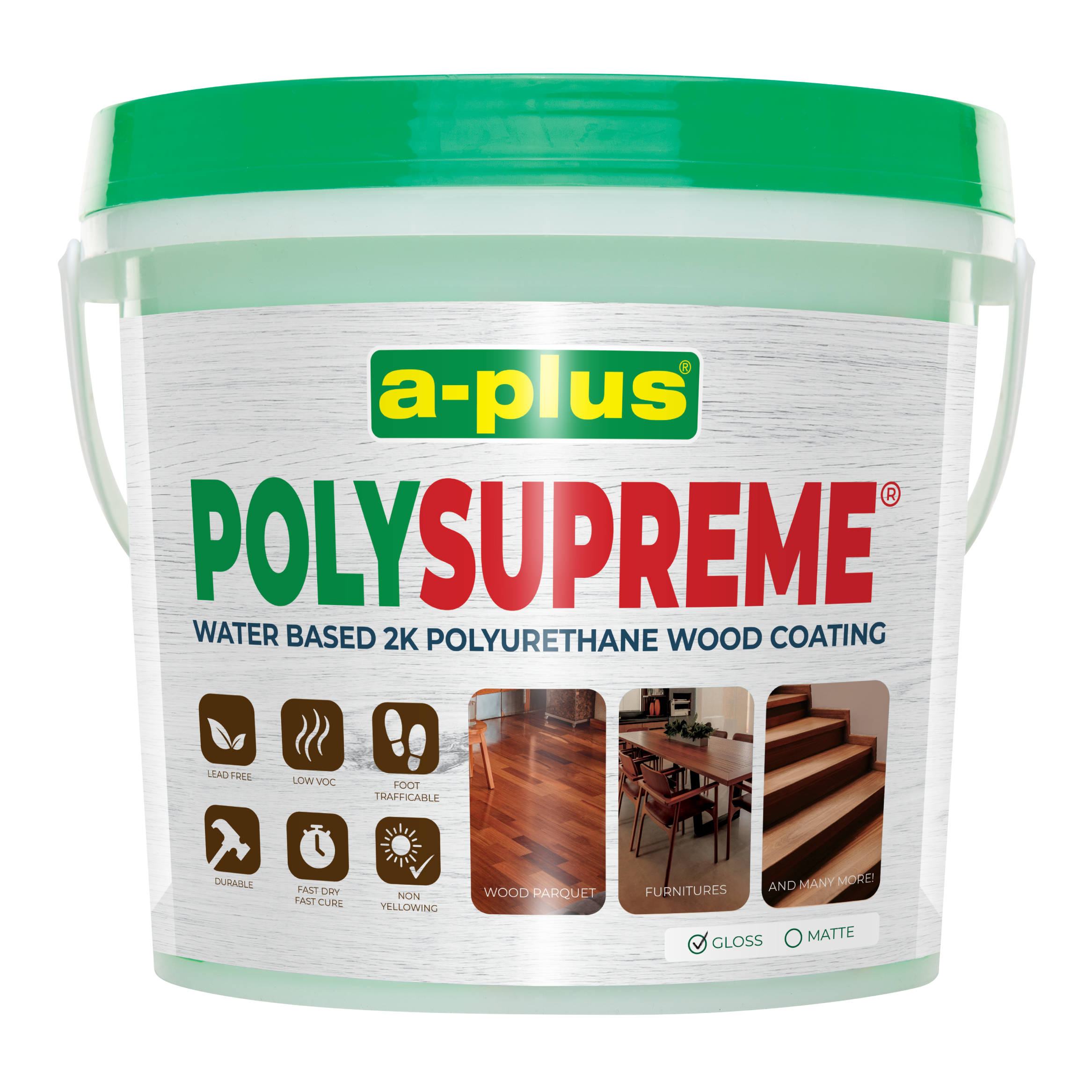
The Benefits of Polyurethane Coating for Wood
Wood is a versatile and beautiful material that is commonly used in furniture, flooring, and various other applications. To protect and enhance the natural beauty of wood, many people turn to polyurethane coatings. Polyurethane coatings offer several advantages when it comes to preserving and enhancing the appearance of wood surfaces.
Durability
Polyurethane coatings provide a durable finish that can withstand wear and tear, making them ideal for high-traffic areas such as floors or tabletops. The protective layer created by polyurethane helps prevent scratches, stains, and moisture damage, extending the lifespan of the wood surface.
Enhanced Appearance
Applying polyurethane coating to wood surfaces can enhance their natural color and grain patterns. The clear finish of polyurethane brings out the richness and depth of the wood, giving it a glossy or satin sheen depending on the desired look.
Easy Maintenance
Wood surfaces coated with polyurethane are easy to clean and maintain. Simply wiping down the surface with a damp cloth is usually sufficient to keep it looking fresh and new. Additionally, polyurethane coatings resist yellowing over time, maintaining the original appearance of the wood.
UV Protection
Polyurethane coatings offer UV protection that helps prevent fading and discoloration caused by exposure to sunlight. This feature is particularly beneficial for outdoor wooden furniture or indoor pieces near windows that are exposed to natural light.
Application Tips
When applying polyurethane coating to wood, it is important to follow proper techniques for best results. Ensure that the surface is clean and smooth before application, and apply thin coats evenly with a brush or roller. Allow each coat to dry completely before sanding lightly between coats for a smooth finish.
In conclusion, polyurethane coating is a popular choice for protecting and enhancing wood surfaces due to its durability, aesthetic appeal, easy maintenance, UV protection properties. Whether you are refinishing furniture or sealing hardwood floors, polyurethane coating can help preserve the beauty of wood for years to come.
Top 6 Benefits of Polyurethane Coating for Wood: Beauty, Protection, and Longevity
- Enhances the natural beauty of wood by bringing out its color and grain patterns.
- Provides a durable protective layer that resists scratches, stains, and moisture damage.
- Easy to clean and maintain, requiring simple wiping with a damp cloth.
- Offers UV protection to prevent fading and discoloration from sunlight exposure.
- Extends the lifespan of wood surfaces by adding an extra layer of protection.
- Creates a glossy or satin sheen on wood surfaces for an attractive finish.
Challenges of Polyurethane Coating for Wood: Repair Difficulty, Fume Emission, and Yellowing Over Time
- Polyurethane coatings can be difficult to repair once damaged, requiring extensive sanding and refinishing.
- Application of polyurethane coatings can release strong fumes that may require proper ventilation during the process.
- Over time, polyurethane coatings may develop a yellowish tint, especially in areas exposed to sunlight, affecting the appearance of the wood surface.
Enhances the natural beauty of wood by bringing out its color and grain patterns.
Polyurethane coating for wood offers the significant benefit of enhancing the natural beauty of the wood by accentuating its color and grain patterns. The clear finish of polyurethane creates a glossy or satin sheen that brings out the richness and depth of the wood, making it visually appealing. This enhancement not only adds to the aesthetic charm of the wood surface but also highlights its unique characteristics, giving it a more vibrant and attractive appearance.
Provides a durable protective layer that resists scratches, stains, and moisture damage.
Polyurethane coating for wood offers a durable protective layer that effectively resists scratches, stains, and moisture damage. This feature is particularly advantageous in high-traffic areas or environments where wood surfaces are prone to wear and tear. By forming a strong barrier, polyurethane helps maintain the integrity of the wood, extending its lifespan and keeping it looking pristine for longer periods. Whether used on furniture, flooring, or other wooden surfaces, the ability of polyurethane to withstand daily use and protect against various forms of damage makes it a reliable choice for preserving the beauty and functionality of wood.
Easy to clean and maintain, requiring simple wiping with a damp cloth.
Polyurethane coating for wood offers the advantage of being easy to clean and maintain with minimal effort. A simple wipe-down with a damp cloth is usually all it takes to keep the wood surface looking fresh and clean. This convenience makes polyurethane-coated wood ideal for busy households or high-traffic areas where regular maintenance is essential but time-consuming tasks are not practical. The low-maintenance nature of polyurethane-coated wood surfaces allows homeowners to enjoy the beauty of their wooden furniture or floors without the hassle of extensive upkeep.
Offers UV protection to prevent fading and discoloration from sunlight exposure.
Polyurethane coating for wood offers valuable UV protection, effectively safeguarding the surface from the harmful effects of sunlight exposure. By forming a protective barrier, polyurethane helps prevent fading and discoloration of the wood caused by UV rays. This feature is particularly beneficial for outdoor wooden furniture or indoor wood surfaces near windows that are constantly exposed to natural light. With polyurethane coating, you can enjoy the beauty of your wood surfaces for longer periods without worrying about them losing their original color and vibrancy due to sun damage.
Extends the lifespan of wood surfaces by adding an extra layer of protection.
Polyurethane coating for wood surfaces offers the significant advantage of extending their lifespan by adding an additional layer of protection. This protective barrier shields the wood from scratches, stains, moisture damage, and other forms of wear and tear, thereby preserving its integrity and beauty for a longer period. By creating a durable shield over the wood surface, polyurethane coating ensures that the natural material remains in excellent condition, enhancing its longevity and maintaining its aesthetic appeal over time.
Creates a glossy or satin sheen on wood surfaces for an attractive finish.
Polyurethane coating for wood surfaces offers the advantage of creating a glossy or satin sheen that enhances the overall appearance of the wood. This attractive finish not only brings out the natural beauty of the wood but also adds a touch of elegance and sophistication to any furniture or flooring. The glossy sheen reflects light, giving the wood a polished look, while the satin finish provides a subtle, smooth texture that is visually appealing. Whether aiming for a high-shine or a more muted appearance, polyurethane coating can help achieve a desired aesthetic that elevates the visual appeal of wooden surfaces.
Polyurethane coatings can be difficult to repair once damaged, requiring extensive sanding and refinishing.
Polyurethane coatings, while offering excellent durability and protection for wood surfaces, come with the drawback of being challenging to repair if they get damaged. When a polyurethane-coated wood surface sustains scratches, dents, or other forms of damage, repairing it often involves extensive sanding and refinishing processes. This can be time-consuming and labor-intensive, requiring careful attention to detail to achieve a seamless finish. Additionally, matching the repaired area with the rest of the surface in terms of color and sheen can be a tricky task. Therefore, the difficulty in repairing damaged polyurethane coatings is a notable downside to consider when choosing this type of finish for wood surfaces.
Application of polyurethane coatings can release strong fumes that may require proper ventilation during the process.
One notable drawback of polyurethane coating for wood is that its application can release strong fumes that may pose health risks if proper ventilation is not ensured during the process. These fumes can be irritating to the respiratory system and may cause headaches or dizziness if inhaled in high concentrations. It is essential to work in a well-ventilated area or use protective equipment such as masks to minimize exposure to these potentially harmful fumes while applying polyurethane coatings on wood surfaces.
Over time, polyurethane coatings may develop a yellowish tint, especially in areas exposed to sunlight, affecting the appearance of the wood surface.
Polyurethane coatings, while offering various benefits for wood surfaces, have a notable drawback of potentially developing a yellowish tint over time, particularly in areas exposed to sunlight. This yellowing effect can impact the appearance of the wood surface, altering its original color and aesthetic appeal. It is important for users to be aware of this con when considering polyurethane coating for wood applications, especially in spaces with significant exposure to natural light. Regular maintenance and protective measures may help mitigate the yellowing effect and preserve the beauty of the wood surface for a longer period.