
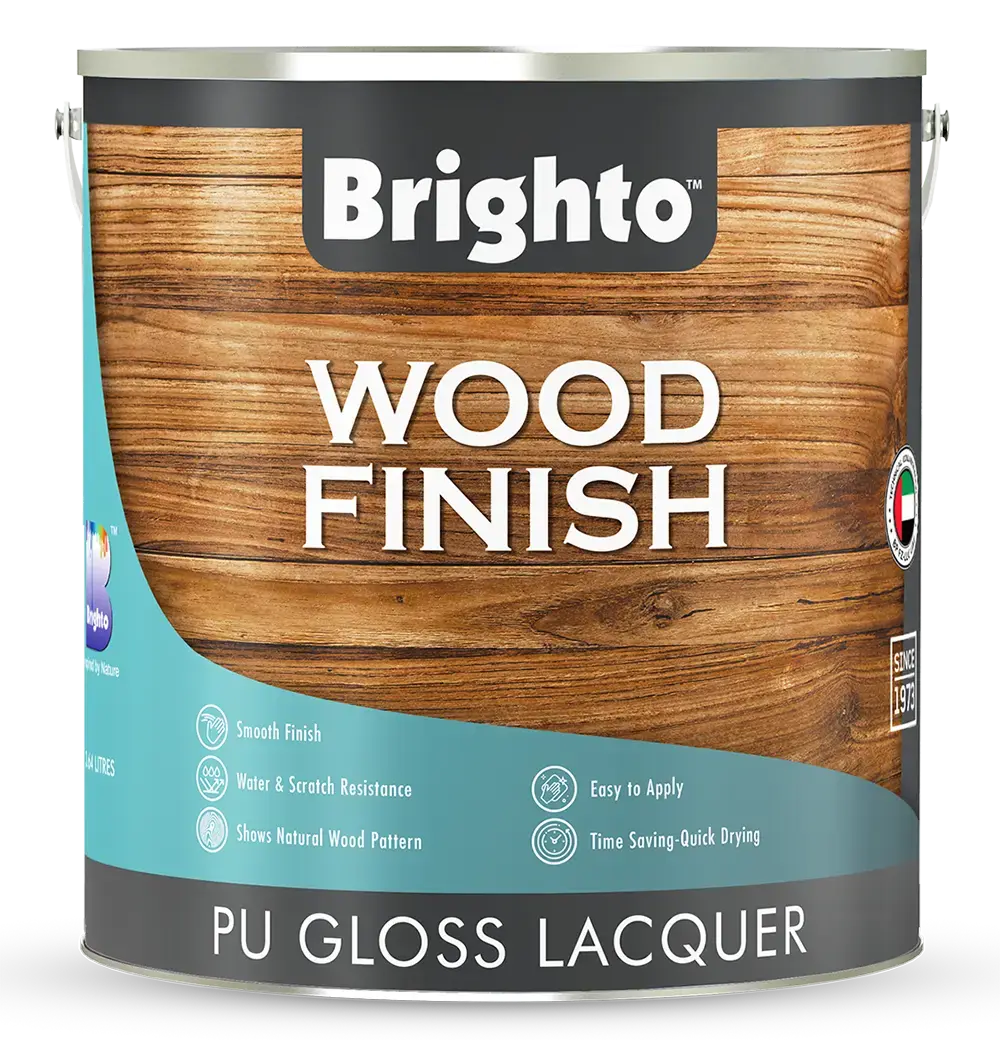
The Benefits of PU Wood Paint
PU wood paint, short for polyurethane wood paint, is a popular choice for finishing wooden surfaces due to its numerous benefits. Whether you are working on furniture, cabinets, or other wooden items, PU wood paint offers a durable and attractive finish that enhances the beauty of the wood.
Key Advantages of PU Wood Paint:
- Durability: PU wood paint forms a tough protective layer that resists scratches, stains, and moisture damage, making it ideal for high-traffic areas.
- Excellent Finish: The smooth and glossy finish provided by PU wood paint enhances the natural grain and color of the wood, creating a stunning visual appeal.
- UV Resistance: PU wood paint is known for its UV-resistant properties, which help prevent fading and discoloration caused by sunlight exposure.
- Easy Maintenance: A surface coated with PU wood paint is easy to clean and maintain, requiring minimal effort to keep it looking fresh and new.
- Fast Drying Time: Compared to traditional oil-based paints, PU wood paint dries relatively quickly, allowing for faster completion of projects.
Application of PU Wood Paint:
Applying PU wood paint requires careful preparation of the surface to ensure proper adhesion and a smooth finish. It is recommended to sand the wood surface lightly, remove any dust or debris, and apply a primer before painting with PU wood paint. Multiple coats may be needed to achieve the desired coverage and durability.
Conclusion
In conclusion, PU wood paint offers a range of benefits that make it an excellent choice for protecting and enhancing wooden surfaces. Whether you are a DIY enthusiast or a professional craftsman, investing in quality PU wood paint can help you achieve long-lasting results that showcase the natural beauty of wood.
9 Essential Tips for Perfectly Painting PU Wood
- Ensure the surface is clean and free of dust before painting.
- Use a primer specifically designed for PU wood paint for better adhesion.
- Stir the PU wood paint thoroughly before application to ensure even color consistency.
- Apply thin coats of paint to avoid drips and achieve a smooth finish.
- Allow each coat to dry completely before applying the next coat.
- Sand lightly between coats for better adhesion and a smoother finish.
- Work in a well-ventilated area when painting with PU wood paint to avoid inhaling fumes.
- Clean your painting tools with appropriate solvents immediately after use to prolong their lifespan.
- Follow the manufacturer’s instructions on drying times and recommended application methods.
Ensure the surface is clean and free of dust before painting.
Before applying PU wood paint, it is crucial to ensure that the surface is clean and free of dust. Dust particles can affect the adhesion of the paint and result in an uneven finish. To achieve a smooth and professional-looking coat, it is recommended to thoroughly clean the surface using a damp cloth or a mild cleaning solution to remove any dirt, debris, or oil residues. By taking the time to prep the surface properly, you can improve the paint’s durability and enhance the overall appearance of your wooden project.
Use a primer specifically designed for PU wood paint for better adhesion.
For optimal adhesion and a smooth finish when using PU wood paint, it is advisable to use a primer specifically designed for this type of paint. A PU wood paint primer helps create a strong bond between the paint and the wooden surface, enhancing durability and ensuring long-lasting results. By choosing a primer tailored for PU wood paint, you can improve the overall quality of your painting project and achieve a professional finish that highlights the natural beauty of the wood.
Stir the PU wood paint thoroughly before application to ensure even color consistency.
For optimal results when using PU wood paint, it is essential to stir the product thoroughly before application. By stirring the PU wood paint well, you can ensure that the color pigments are evenly distributed throughout the paint, resulting in consistent color coverage on your wooden surface. This simple step helps prevent streaks or patches and guarantees a smooth and uniform finish that enhances the beauty of the wood.
Apply thin coats of paint to avoid drips and achieve a smooth finish.
For optimal results when using PU wood paint, it is advisable to apply thin coats of paint to prevent drips and achieve a smooth finish. By applying thin, even layers of paint, you can ensure better adhesion to the surface and minimize the risk of runs or streaks. This technique not only helps in achieving a flawless finish but also allows for better control over the painting process, resulting in a professional-looking outcome that highlights the beauty of the wood.
Allow each coat to dry completely before applying the next coat.
It is crucial to allow each coat of PU wood paint to dry completely before applying the next coat. This practice ensures proper adhesion between layers and helps prevent issues such as bubbling, cracking, or uneven finish. By allowing sufficient drying time, you give the paint the opportunity to cure properly, resulting in a smoother and more durable finish. Patience in between coats will ultimately lead to a professional-looking outcome that enhances the beauty and longevity of your wooden surfaces.
Sand lightly between coats for better adhesion and a smoother finish.
For optimal results when using PU wood paint, it is advisable to sand lightly between coats to enhance adhesion and achieve a smoother finish. Sanding between coats helps create a slightly rough surface that allows the subsequent coat of paint to adhere better, ensuring a more durable and professional-looking finish. This simple step not only improves the overall quality of the painted surface but also helps in achieving a seamless and flawless appearance for your wooden projects.
Work in a well-ventilated area when painting with PU wood paint to avoid inhaling fumes.
It is essential to work in a well-ventilated area when painting with PU wood paint to avoid inhaling fumes that may be harmful to your health. Proper ventilation helps dissipate the strong odors and volatile organic compounds (VOCs) released during the painting process, creating a safer environment for both yourself and those around you. Opening windows, using exhaust fans, or working outdoors can help minimize exposure to potentially harmful fumes while ensuring a comfortable painting experience.
Clean your painting tools with appropriate solvents immediately after use to prolong their lifespan.
For optimal maintenance of your painting tools when using PU wood paint, it is essential to clean them with appropriate solvents immediately after use. By removing any residual paint from brushes, rollers, or other tools promptly, you can prevent the hardened buildup that may shorten their lifespan. Regular cleaning not only ensures the longevity of your painting equipment but also helps maintain their effectiveness for future projects. Taking this simple step can save you time and money in the long run while ensuring that your tools remain in top condition for continued use.
Follow the manufacturer’s instructions on drying times and recommended application methods.
It is crucial to follow the manufacturer’s instructions regarding drying times and recommended application methods when using PU wood paint. Adhering to these guidelines ensures optimal results and the longevity of the finish. Proper drying times allow each coat to cure effectively, leading to a durable and flawless finish. Additionally, following the recommended application methods helps achieve an even coat and enhances the overall appearance of the painted surface. By paying attention to these details, you can make the most of PU wood paint’s benefits and ensure a professional-quality outcome for your woodworking projects.