
The Versatile Uses of Polyurethane
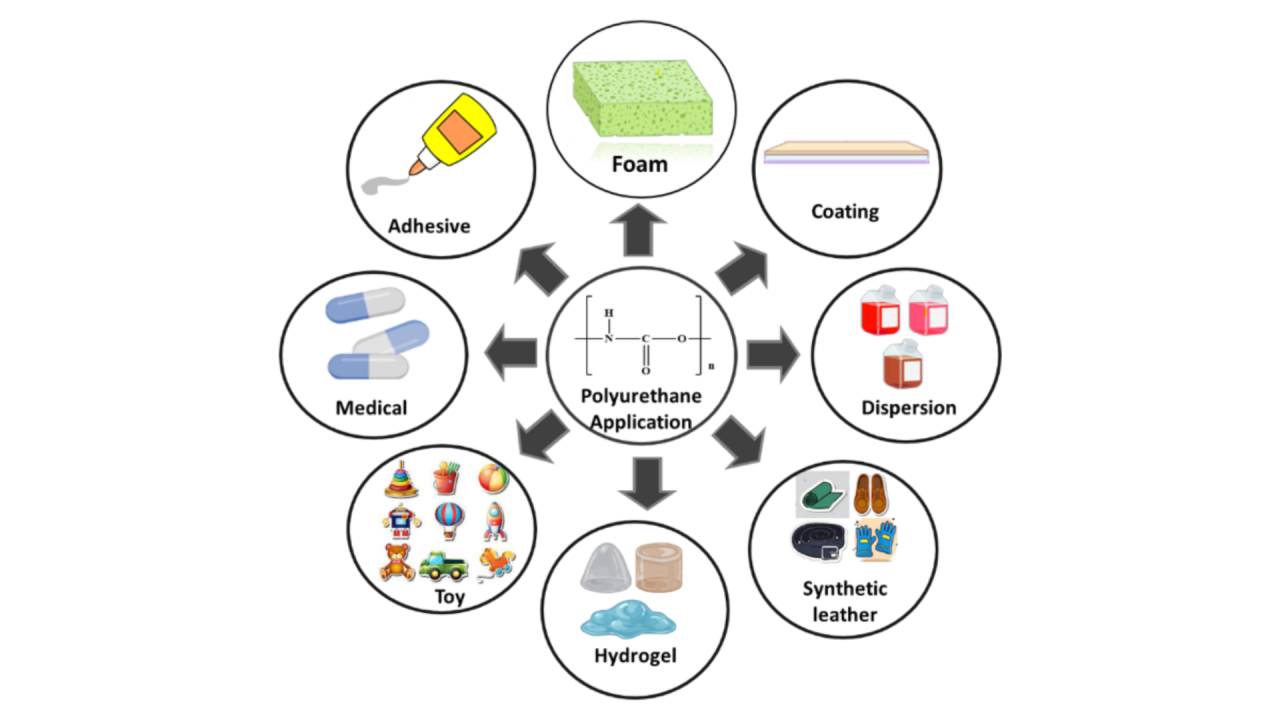
Polyurethane, a versatile polymer material, finds a wide range of applications across various industries due to its exceptional properties. Here are some common uses of polyurethane:
Insulation:
Polyurethane foam is widely used as an insulating material in buildings and appliances. Its excellent thermal insulation properties help in reducing energy consumption and maintaining comfortable indoor temperatures.
Furniture:
Polyurethane is a popular choice for furniture upholstery and padding due to its durability, comfort, and aesthetic appeal. It is often used in sofas, chairs, mattresses, and other household furniture items.
Automotive:
In the automotive industry, polyurethane is used in various components such as bumpers, seats, dashboards, and steering wheels. Its lightweight nature, impact resistance, and design flexibility make it an ideal material for vehicle parts.
Footwear:
Polyurethane is commonly used in the production of footwear due to its cushioning properties, durability, and ability to mold into different shapes. It provides comfort and support in shoes for different activities.
Coatings and Adhesives:
Polyurethane coatings offer protection against corrosion, abrasion, and weathering on surfaces such as floors, roofs, and industrial equipment. Polyurethane adhesives provide strong bonding capabilities in various applications.
Medical Devices:
In the healthcare sector, polyurethane is utilized in medical devices such as catheters, wound dressings, prosthetics, and surgical instruments. Its biocompatibility and flexibility make it suitable for medical applications.
These are just a few examples of the diverse uses of polyurethane across industries. Its versatility continues to drive innovation and advancements in product development worldwide.
Exploring the Versatile Applications of Polyurethane Across Various Industries
- What are the common uses of polyurethane in the construction industry?
- How is polyurethane utilized in furniture manufacturing?
- What are the advantages of using polyurethane in automotive applications?
- Why is polyurethane a popular choice for footwear production?
- In what ways is polyurethane used in coatings and adhesives?
- What are some examples of medical devices that incorporate polyurethane?
What are the common uses of polyurethane in the construction industry?
Polyurethane plays a vital role in the construction industry due to its versatile properties and applications. Common uses of polyurethane in construction include insulation materials for walls, roofs, and floors, providing energy efficiency and thermal comfort. It is also used in sealants and adhesives for bonding various building materials together, ensuring structural integrity and weatherproofing. Additionally, polyurethane foam is utilized for concrete lifting and leveling applications, offering a cost-effective solution for repairing uneven surfaces. Its durability, flexibility, and resistance to moisture make polyurethane a valuable material in construction projects for enhancing performance and longevity of structures.
How is polyurethane utilized in furniture manufacturing?
Polyurethane plays a crucial role in furniture manufacturing due to its versatile properties and wide range of applications. In furniture production, polyurethane is commonly used for upholstery, padding, and coatings. It provides durability, comfort, and aesthetic appeal to various furniture pieces such as sofas, chairs, mattresses, and ottomans. Polyurethane foam is often used as cushioning material in seats and backs of furniture items, offering support and resilience for long-term use. Additionally, polyurethane coatings are applied to furniture surfaces to enhance durability, resistance to wear and tear, and provide a smooth finish. The design flexibility of polyurethane allows furniture manufacturers to create innovative designs that meet consumer preferences for style and comfort. Overall, polyurethane’s versatility makes it an essential material in the furniture manufacturing industry.
What are the advantages of using polyurethane in automotive applications?
Polyurethane offers a multitude of advantages when used in automotive applications. Its lightweight nature helps in improving fuel efficiency and reducing vehicle weight, leading to lower emissions. Polyurethane’s exceptional impact resistance enhances the safety of automotive components, providing durability and protection against collisions. Additionally, its design flexibility allows for complex shapes and customization, enabling manufacturers to create innovative and stylish vehicle parts. The material’s resistance to corrosion and chemicals further contributes to the longevity of automotive components, ensuring long-lasting performance on the road. Overall, the advantages of using polyurethane in automotive applications include improved efficiency, safety, design versatility, and durability.
Why is polyurethane a popular choice for footwear production?
Polyurethane is a popular choice for footwear production due to its exceptional properties that make it ideal for creating comfortable and durable shoes. One key reason is its cushioning ability, which provides excellent support and shock absorption, enhancing the overall comfort of the footwear. Additionally, polyurethane is known for its flexibility, allowing shoe manufacturers to mold it into various shapes and designs to meet different style preferences. Its lightweight nature adds to the wearer’s comfort while offering good durability, ensuring that the shoes last longer even with regular use. These qualities make polyurethane a preferred material in the footwear industry, catering to the needs of consumers seeking both style and functionality in their shoes.
In what ways is polyurethane used in coatings and adhesives?
Polyurethane is commonly used in coatings and adhesives due to its versatile properties that make it an ideal material for various applications. In coatings, polyurethane provides excellent protection against corrosion, abrasion, and weathering on surfaces such as floors, roofs, and industrial equipment. Its durability and resistance to chemicals make it a preferred choice for protective coatings in diverse industries. As an adhesive, polyurethane offers strong bonding capabilities, ensuring secure adhesion between different materials. It is used in bonding applications where a high level of strength and flexibility is required, making it suitable for construction, automotive assembly, and other industrial uses. The versatility of polyurethane in coatings and adhesives contributes to its widespread adoption across different sectors for enhancing durability and performance of various products and surfaces.
What are some examples of medical devices that incorporate polyurethane?
Polyurethane is a versatile material that is widely used in the healthcare industry for various medical devices. Some common examples of medical devices that incorporate polyurethane include catheters, wound dressings, prosthetics, and surgical instruments. Polyurethane’s properties such as biocompatibility, flexibility, and durability make it an ideal choice for these applications. Its ability to be molded into different shapes and its resistance to wear and tear are particularly beneficial in the design and production of medical devices that require precision, comfort, and long-term performance.